
16 Best Calligraphy Books
The best calligraphy books, ranked by how many expert sources recommend each one, with notes on who they suit, from first strokes to advanced study.
Our take
Calligraphy and hand lettering overlap, but they ask you to work in different ways. Calligraphy forms letters through controlled writing strokes. Hand lettering often involves drawing and refining individual shapes. These books suit readers choosing a first tool, practicing a traditional script, developing modern lettering, or taking finished artwork into digital design. Matching the book to the kind of marks you want to make matters more than collecting many alphabets at once.
For a broad introduction, begin with Learn Calligraphy. Modern Calligraphy concentrates on modern pointed-pen work, while Mastering Copperplate Calligraphy provides a focused traditional route. Foundations of Calligraphy develops broad-edge technique and careful analysis. If your interest is drawn lettering, try The ABC of Custom Lettering, then explore the design processes in In Progress or The Golden Secrets of Lettering. Workbook readers can start with Pretty Simple Lettering. Choose one direction, practice consistently, and use the larger references when you know what you want to learn next.
16 books · 7 sources · Last updated
As an Amazon Associate, we earn from qualifying purchases (at no extra cost to you).
How to choose from this list
Skip to the full rankingIf you're choosing a first direction: Learn Calligraphy
If you want modern pointed-pen script: Modern Calligraphy → Mastering Modern Calligraphy
If you want traditional Copperplate: Mastering Copperplate Calligraphy
If you want broad-edge technique: Foundations of Calligraphy → The Calligrapher's Bible
If you want to draw custom lettering: The ABC of Custom Lettering → The Golden Secrets of Lettering → In Progress
If you're preparing to charge for work: The Calligrapher's Business Handbook
The 16 books, ranked
Ranked by how many expert sources name each book. Ties go to the book more people recommend.
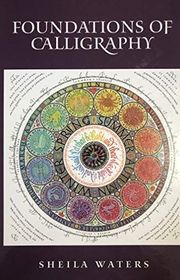
Foundations of Calligraphy
For serious students who want to understand broad-edge letter construction and analyze their own practice. Waters offers more technical depth than decorative workbooks, though the detailed instruction asks for slower study and regular hands-on work.
What it's about
Waters presents instruction in traditional broad-edge calligraphy, with exemplar alphabets, analysis of letter construction, and guidance on effective practice. The book covers several historical hands and connects technical control with design, spacing, and layout.
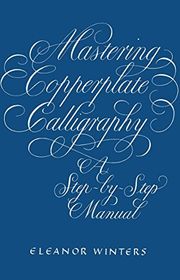
Mastering Copperplate Calligraphy
For students who want to commit to a traditional pointed-pen script. Winters provides sustained work on Copperplate rather than a sampler of modern styles, though the precision and repetition demand patience before personal flourishes become the priority.
What it's about
Winters teaches Copperplate through a structured sequence of pen control, basic strokes, lowercase and capital letters, spacing, and practice. The manual explains the forms and discipline needed to develop a consistent traditional pointed-pen hand.

Modern Calligraphy
Everything You Need to Know to Get Started in Script Calligraphy
For beginners who want modern pointed-pen script connected with finished projects. Its practical progression makes a clearer entry than an advanced style reference, though it does not survey the full range of historical calligraphic hands.
What it's about
Molly Suber Thorpe introduces modern script calligraphy from choosing supplies to forming letters, words, and phrases. Templates, photographs, and instructions support pointed-pen practice, followed by projects and techniques such as using gouache and digitizing lettering for stationery and other designs.

For calligraphers who want many alphabets in one portable reference. Its breadth makes it useful when comparing forms and choosing a new hand, though an encyclopedia of styles gives less guided progression than a focused course.
What it's about
David Harris presents one hundred complete alphabets with instructions for forming letters and avoiding common errors. The guide combines traditional and contemporary styles with advice on tools, layout, numerals, punctuation, ornamentation, and adapting techniques for left-handed calligraphers.

Hand Lettering for Relaxation
An Inspirational Workbook for Creating Beautiful Lettered Art
For hobbyists who want lettering practice built around enjoyable finished pieces. The encouraging workshops offer a gentler entry than a technical script manual, though decorative hand lettering is different from sustained study of a traditional calligraphic hand.
What it's about
Amy Latta teaches hand lettering through workshops built around encouraging phrases and decorative designs. The workbook introduces faux calligraphy, brush techniques, fonts, and embellishments, with instructions and practice space for combining lettering skills into finished pieces of art.

For beginners who want an overview before committing to one script. Shepherd connects materials, letterforms, and design in an approachable guide, though the broad coverage offers less sustained practice in one hand than a specialized manual.
What it's about
Margaret Shepherd introduces calligraphy through a hand-lettered guide combining history, technique, and design. Instructions explain tools, inks, paper, pen angles, and different alphabet styles, encouraging readers to practice established forms and adapt their strokes to develop personal lettering.

For lettering artists beginning to charge for their work. Thorpe addresses pricing and client policies that technique books leave out, though the short guide needs supplementing with current local legal and business advice.
What it's about
Molly Suber Thorpe addresses the business of freelance calligraphy and lettering. Her guide discusses pricing services, choosing hourly or project rates, discounts, advertising, contracts, commercial work, and copyright licensing, helping artists consider policies for running a creative practice.

For complete beginners who want a low-pressure introduction with practice activities. Its broad coverage helps readers try modern lettering before specializing, though repeated practice and more focused instruction are still needed to develop a consistent hand.
What it's about
June and Lucy introduce modern calligraphy and hand lettering through instructions, reference guides, and practice activities. The workbook covers tools, terminology, alphabet styles, letter connections, and composition, helping beginners combine individual forms into words and completed decorative designs.

In Progress
See Inside a Lettering Artist's Sketchbook and Process, from Pencil to Vector
For designers interested in how custom lettering develops through sketches and revisions. Hische's process gives more insight into professional decisions than a tracing workbook, though beginners seeking basic pen drills should start elsewhere.
What it's about
Jessica Hische opens her sketchbook to show the process behind custom lettering projects. Rough ideas, revisions, and finished designs reveal how she moves from pencil sketches to vector artwork, giving designers insight into both creative decisions and technical refinement.

For beginners who want structured alphabet practice and decorative projects. Its workbook format makes it easy to start making marks, though the introductory scope gives less historical context and technical analysis than a traditional reference.
What it's about
Paper Peony Press introduces hand lettering and brush lettering through alphabet guides and workbook practice. Lessons develop uppercase and lowercase forms, letter connections, composition, and design, ending with projects that help beginners combine their new skills into decorative pieces.

For pointed-pen writers who know the basics and want a more individual style. Thorpe's drills and layout work move beyond copying an alphabet, though complete beginners will benefit from learning tools and basic strokes first.
What it's about
Molly Suber Thorpe guides calligraphers beyond introductory pointed-pen practice toward developing their own styles. Letterforms, ligatures, stroke drills, flourishing exercises, and layout studies encourage experimentation while explaining the structure and connections that make modern script lettering work.

Pretty Simple Lettering
A Step-by-Step Hand Lettering and Modern Calligraphy Workbook for Beginners
For readers who prefer practicing directly through guided lettering exercises. Its accessible projects suit a casual creative hobby, though those aiming for historically precise calligraphy will need a more specialized book alongside it.
What it's about
Whitney Farnsworth introduces hand lettering and modern calligraphy through step-by-step instruction and workbook exercises. Alphabet guides, letter connections, flourishes, and project examples help beginners practice different styles and combine those forms into personalized words, phrases, and decorative designs.

For designers who want to draw expressive letters for logos and other projects. Castro connects construction with contemporary applications, though hand-drawn lettering involves building shapes rather than relying solely on the repeated pen strokes of calligraphy.
What it's about
Ivan Castro teaches hand-drawn lettering through exercises, projects, and step-by-step examples. The workbook explores forms including Roman, Gothic, Latin, script, and interlocked letters, connecting traditional techniques with contemporary uses such as flyers, logos, and T-shirt designs.

For readers who want to connect pen technique with the history of Latin scripts. Harris provides a wider stylistic foundation than modern brush workbooks, though learning several hands at once can distract from consistent practice.
What it's about
David Harris combines calligraphy instruction with historical background on major Latin-based scripts. Illustrated exercises explain letter construction and pen technique, while guidance on equipment and materials helps readers practice styles ranging from Roman forms to Gothic and other traditions.

The Big Awesome Book of Hand & Chalk Lettering
For hobbyists who want lettering for signs, cards, and craft projects. Rodriguez offers a broader decorative toolkit than a single-script manual, though the emphasis on embellishment gives less depth to formal calligraphic technique.
What it's about
Dina Rodriguez introduces hand and chalk lettering through illustrated instructions and fifteen lettering styles. Lessons cover composition, flourishes, borders, banners, and other accents, with creative prompts and craft projects for making items such as gift tags, signs, and place cards.

For designers who want to turn drawn letters into coherent finished compositions. Flor emphasizes the decisions behind refinement and digital artwork, though readers looking for calligraphy drills or pages to trace may prefer a workbook.
What it's about
Martina Flor follows lettering projects from initial ideas and sketches to finished digital artwork. Examples and exercises explore letter anatomy, observation, hierarchy, composition, and flourishes, explaining how to refine custom forms and translate hand-drawn designs into polished pieces.
Sources
- 1
10 Best Calligraphy Books For Beginners
lettering-daily.com
- 2
Calligraphy Books
goodreads.com
- 3
Workbook suggestions?
reddit.com
- 4
Best Calligraphy Books: Seven Picks by Learning Goal
cursive-generation.com
- 5
Lettering & calligraphy books: 15 of best to get inspire and learn
howjoyful.com
- 6
Best Calligraphy Books 2026: Beginner to Advanced Reviews
letteringleague.com
- 7
Learn How to Make Calligraphy With These Awesome Workbooks
mymodernmet.com






Edited by
Software engineer whose passion for tracking book recommendations from podcasts inspired the creation of MRB.
Lead investor at 3one4 Capital whose startup expertise and love for books helped shape MRB and its growth.
Comments
Spotted a missing book, a wrong order or a mistake? Tell us and we'll fix this page.
We're a reading guide, not the author or publisher, so we can't send books or pass on messages.