
17 Best Art History Books
The best art history books, ranked by how many expert sources recommend each one, with notes to help beginners and students find the right starting point.
Our take
Art history asks how images and objects were made, what they meant in their own settings, and how later viewers have understood them. These books offer different routes into that work, from illustrated introductions for museum visitors to substantial textbooks and collections of artists’ and critics’ arguments. A general survey can supply a timeline, while a focused study shows how much interpretation lies behind a familiar label or artwork.
The Story of Art offers a readable narrative with a largely Western focus. Helen Gardner's Art Through The Ages provides a more systematic textbook approach, while The Art Book suits browsing by artist. Ways of Seeing shifts attention toward the assumptions viewers bring to images. Women, Art, and Society and The Story of Art Without Men expand the place given to women artists, while Classical Art and The Judgment of Paris narrow the historical frame.
Start with an illustrated survey for orientation, then follow a period, artist, or interpretive question that holds your attention.
17 books · 9 sources · Last updated
As an Amazon Associate, we earn from qualifying purchases (at no extra cost to you).
How to choose from this list
Skip to the full rankingIf you want an approachable first survey: The Story of Art → The Story of Art Without Men
If you want a textbook for sustained study: Helen Gardner's Art Through The Ages → History of Modern Art
If you want to browse individual artists: 50 Artists You Should Know → The Art Book
If you want to question how art is interpreted: Ways of Seeing → Women, Art, and Society → Art in Theory 1900 - 2000
If you want Renaissance and ancient art: Classical Art → The Lives of the Artists
If you want modern movements and their context: The Judgment of Paris → Styles, Schools and Movements → History of Modern Art
The 17 books, ranked
Ranked by how many expert sources name each book. Ties go to the book more people recommend.

The Story of Art
For newcomers who want a connected narrative rather than a directory of artists. Gombrich makes changing artistic problems understandable, though his emphasis on the Western tradition leaves substantial gaps that broader surveys can help fill.
What it's about
E. H. Gombrich introduces the history of art through works ranging from ancient images to twentieth-century experiments. He explains how artists responded to changing purposes, techniques, and traditions, encouraging readers to understand individual works within their historical circumstances.

Helen Gardner's Art Through The Ages
For students who want a structured survey that connects artworks with architecture and historical context. Its textbook approach supports sustained study and reference, though the breadth and detail make it less inviting for casual browsing.
What it's about
Gardner's survey presents a chronological account of art history across different cultures and periods. Painting, sculpture, architecture, and other visual traditions form a broad introduction to how artistic styles and practices developed within the societies that produced them.

The Lives of the Artists
For readers interested in Renaissance artists through a contemporary writer’s judgments and anecdotes. It offers a perspective later surveys cannot reproduce, though Vasari’s loyalties and storytelling require a more skeptical reading than a modern reference.
What it's about
Vasari portrays Renaissance artists through biographical sketches, anecdotes, and judgments about their work. His collection connects artistic achievement with personality, rivalry, patronage, and technical development, offering an influential contemporary perspective on Italian painting, sculpture, and architecture.
Also recommended by
1 person Paul Graham recommended this book
Paul Graham
One of Paul Graham's answers to "what should I read to learn more about history?"
Paul Graham's recommendation of this book

Ways of Seeing
For readers who want to question how images acquire meaning, value, and authority. Its short essays encourage close looking more directly than a chronological survey, though they offer an argument rather than a comprehensive history.
What it's about
Based on the BBC television series, John Berger's illustrated book examines how people look at art and interpret images. He questions familiar assumptions about paintings and explores the relationship between visual experience and what viewers already know.
Also recommended by
1 person Dave Elitch recommended this book
Dave Elitch
Dave Elitch mentioned this book on "The Tim Ferriss Show" podcast.
Dave Elitch's recommendation of this book
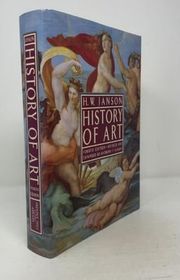
History of Art
For students seeking a substantial chronological framework for Western art. The illustrated textbook joins painting, sculpture, and architecture in sustained historical discussion, though its geographical boundaries and extensive detail make it a selective, demanding general introduction.
What it's about
Janson surveys Western art across historical periods through illustrated discussions of painting, sculpture, and architecture. The book relates major works and changing styles to their settings, providing a framework for studying artistic traditions and historical development.
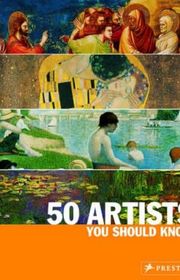
50 Artists You Should Know
For readers who want a manageable introduction built around individual artists. Brief profiles, timelines, and a glossary give newcomers useful footholds, though a selection of fifty figures necessarily leaves many traditions and artists outside its frame.
What it's about
This illustrated guide introduces fifty artists in chronological order from the Gothic period onward. Biographical sketches, representative works, timelines, and explanations of movements and techniques connect individual careers with changes in the visual arts over time.
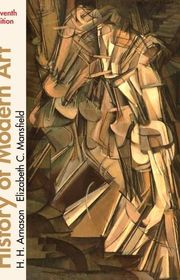
History of Modern Art
For readers who want sustained coverage after a general survey reaches the nineteenth century. Its textbook treatment connects modern movements across several media, though the detail and scale require more commitment than a movement dictionary.
What it's about
Arnason and Mansfield trace modern art from the mid-nineteenth century into contemporary practice. Painting, sculpture, photography, and architecture appear alongside discussion of the social conditions influencing artistic production, reception, and the development of successive movements.
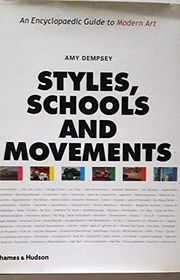
Styles, Schools and Movements
For readers who keep encountering unfamiliar names for modern art movements. Its reference structure makes differences between groups easier to trace, though consulting entries supplies a less continuous story than reading a survey straight through.
What it's about
Dempsey maps modern art through its movements, schools, and groups, beginning with Impressionism and continuing into contemporary practice. Essays explain their ideas and relationships, while visual material and further reading help readers explore particular developments more closely.

The Art Book
For museum visitors who prefer discovering individual artists in short sessions. The alphabetical format makes comparison and browsing easy, though it provides less sense of historical sequence than a survey arranged by period.
What it's about
An alphabetical survey introduces more than 600 artists from medieval times to the present through individual artworks and accessible commentary. Painting, sculpture, photography, and newer media appear together, encouraging comparisons across periods, styles, and artistic traditions.
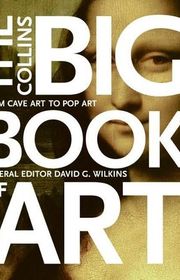
The Collins Big Book of Art
For visually oriented beginners who want a broad reference to explore in short visits. Its cross-referenced images and timelines encourage connections across periods, though brief entries provide less sustained interpretation than a narrative history.
What it's about
Wilkins presents a visual introduction to art through a chronology, turning points, and thematic connections. Illustrated works from different periods and regions appear with identifying details, helping readers relate individual objects to movements and historical contexts.
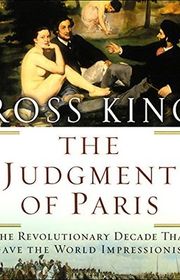
The Judgment of Paris
For readers who prefer a closely told historical episode to a broad survey. Its focus on competing artists and institutions gives Impressionism a social setting, though the narrow period leaves the larger history to other books.
What it's about
King follows French painting between the Salon des Refusés of 1863 and the first Impressionist exhibition in 1874. Through artists including Ernest Meissonier and Édouard Manet, he connects artistic conflict with upheaval in French society and politics.
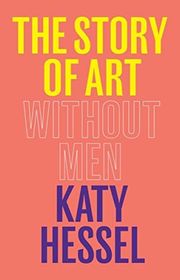
The Story of Art Without Men
For newcomers who want women artists at the center of an accessible historical narrative. Hessel offers a readable companion to older surveys, though the breadth means individual artists receive less sustained examination than in specialist studies.
What it's about
Hessel traces women artists from the Renaissance into the twenty-first century, bringing painting and other artforms into a broad historical account. Illustrated discussions connect individual work with changing artistic settings across Europe, the Americas, Africa, and Asia.
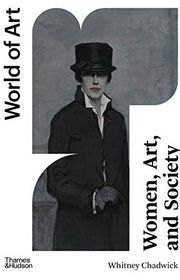
Women, Art, and Society
For readers who want women artists placed within the social conditions shaping their work. Chadwick combines historical coverage with questions about exclusion and interpretation, though the analytical discussion asks more concentration than a brief illustrated introduction.
What it's about
Chadwick examines women’s contributions to visual culture from the Middle Ages onward. The survey connects artworks and artistic careers with gender, class, ethnicity, and changing institutions, questioning how conventional art histories have defined achievement and marginality.

For students ready to read the arguments behind twentieth-century artistic change. Bringing original writings together allows closer engagement with competing ideas, though the collection’s density makes it a demanding starting point without historical background.
What it's about
Harrison and Wood collect 340 texts documenting changing ideas about art across the twentieth century. Contextual introductions accompany writings by critics, philosophers, politicians, and literary figures, tracing debates from the legacy of symbolism through modernism and postmodernism.

For readers who want ancient art examined through interpretation rather than a parade of famous objects. Beard and Henderson connect Greece with Rome while questioning familiar assumptions, though their focused scope cannot replace a general survey.
What it's about
Mary Beard and John Henderson explore ancient Greek and Roman art through Pompeii, imperial monuments, sculpture, and portraiture. They examine Rome's adaptation of Greek traditions alongside the changing ways later generations have recovered and interpreted them.

For readers curious about how exhibitions shape contemporary art’s history. Its attention to curatorial decisions, installation, and presentation supplies a different perspective from artist biographies, though it assumes an interest in exhibition making itself.
What it's about
Hoffmann surveys fifty influential contemporary-art exhibitions, examining the forms and ideas through which art has been presented. The collection includes major biennials and thematic shows, alongside conversations with curators about exhibition making and its role in shaping artistic history.

The Duchamp Dictionary
For readers intrigued by Duchamp who want short routes into his ideas and connections. The alphabetical entries make difficult material approachable in pieces, though they offer less continuous development than a conventional biography or historical survey.
What it's about
Girst explores Marcel Duchamp's life and work through short alphabetical entries. Artworks, relationships, influences, and ideas appear alongside subjects such as chess and wordplay, providing an accessible route into the artist's thinking and his place in modern art.
Sources
- 1
12 Essential Art History Books for Beginners
mymodernmet.com
- 2
Best Art History Books – Our Recommended Reading List
artincontext.org
- 3
Art History Books
goodreads.com
- 4
Best books for a comprehensive introduction to art history?
reddit.com
- 5
In need of art history book recommendaitons
reddit.com
- 6
5 books to learn about Art History
domestika.org
- 7
12 Best Art History Books Right Now
architecturelab.net
- 8
The best art books
creativebloq.com
- 9
The best books on Art History
fivebooks.com







Edited by
Software engineer whose passion for tracking book recommendations from podcasts inspired the creation of MRB.
Lead investor at 3one4 Capital whose startup expertise and love for books helped shape MRB and its growth.
Comments
Spotted a missing book, a wrong order or a mistake? Tell us and we'll fix this page.
We're a reading guide, not the author or publisher, so we can't send books or pass on messages.