
31 Best Tattoo Books
The best tattoo books, ranked by how many expert sources recommend each one, with notes on who each suits, from design browsers to artists and history readers.
Our take
Tattoo books serve several different purposes. A collection of flash helps you study motifs and composition. A cultural history explains who wore tattoos and what they meant in a particular place. Artist memoirs offer another view, connecting finished work with training, influences, and a working life. Technical manuals address a separate set of questions about the craft.
For a broad introduction, The World Atlas of Tattoo moves between regions and practitioners, while The Tattoo History Source Book gathers historical accounts. Vintage Tattoos and Vintage Tattoo Flash suit readers drawn to traditional imagery. Bodies of Subversion puts women’s experiences at the centre, and Wear Your Dreams follows one artist’s career. If you are choosing your own tattoo, use the design books to clarify the styles and motifs you like before developing an idea with an artist. If you are studying the craft, treat technical books as companions to supervised training. Start with a survey for context, then choose a focused collection or history.
31 books · 8 sources · Last updated
As an Amazon Associate, we earn from qualifying purchases (at no extra cost to you).
How to choose from this list
Skip to the full rankingIf you want a worldwide introduction: The World Atlas of Tattoo
If you want traditional American designs: Vintage Tattoos → Vintage Tattoo Flash
If you want to understand Japanese imagery: Japanese Tattoos
If you want women’s tattoo history: Bodies of Subversion → The Tattooed Lady
If you want to explore an apprenticeship: The Tattoo Textbook → Basic Fundamentals of Modern Tattoo
The 31 books, ranked
Ranked by how many expert sources name each book. Ties go to the book more people recommend.
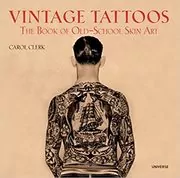
For readers drawn to traditional motifs who also want some context for them. Its thematic chapters connect designs with influential artists, though it concentrates on old-school imagery rather than the full range of contemporary tattooing.
What it's about
Carol Clerk surveys traditional tattoo imagery, from maritime symbols and pinups to flowers and broken hearts. The illustrated chapters pair these recurring motifs with profiles of influential artists, including Sailor Jerry, Ed Hardy, and Horiyoshi III.
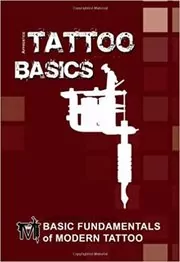
Basic Fundamentals of Modern Tattoo
For apprentices who want terminology and technical background to discuss during training. Its attention to equipment distinguishes it from the image collections, though a manual cannot replace supervised practice or current hygiene instruction.
What it's about
C. R. Jordan introduces technical fundamentals for tattoo apprentices, including machine components, tuning, needle configurations, pigments, and sterilization. Drawing on his own apprenticeship, he presents foundational information intended to support practical training.
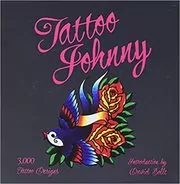
For readers comparing many possible motifs before discussing a design with an artist. Its breadth makes browsing easy, though a large design catalogue offers less cultural context or personal perspective than the histories here.
What it's about
Collected from the Tattoo Johnny website, this illustrated reference presents tattoo designs in varied styles. Angels, devils, flowers, pirates, pinups, religious imagery, and zodiac signs provide options for readers comparing patterns before choosing their next tattoo.
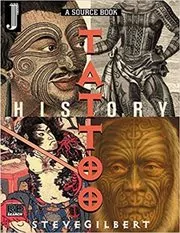
The Tattoo History Source Book
For readers who want historical voices rather than a modern design catalogue. The collected records make it useful for tracing how tattooing was described, though older observers bring assumptions that need reading critically.
What it's about
Steve Gilbert gathers historical accounts of tattooing by explorers, scholars, physicians, artists, and other observers. Contextual essays connect the illustrated sources across cultures, covering Polynesia, Japan, European and American practitioners, tattoo machines, and circus traditions.

The World Atlas of Tattoo
For readers who want an introduction to regional traditions and contemporary practitioners. Its geographical structure gives a broader view than artist memoirs, though no single survey can examine every culture in depth.
What it's about
Anna Felicity Friedman surveys tattoo traditions and contemporary artists across the world. Regional histories and illustrated profiles trace local practices, the movement of styles between cultures, and the diverse designs created by modern tattooers.
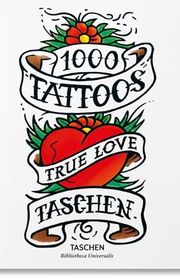
1000 Tattoos
For readers who want a compact visual survey across periods and cultures. Its mixture of historical images and tattoo photographs offers broad inspiration, though readers seeking technical instruction will need a different book.
What it's about
Historical images and photographs trace tattooing across cultures, from nineteenth-century engravings and circus performers to tribal traditions and biker designs. The collection gives readers a visual overview of how people have decorated their bodies.
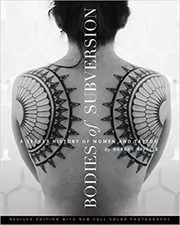
Bodies of Subversion
For readers interested in women’s lives and the social meanings of tattooing. Its gender-focused history adds a perspective missing from general flash collections, though its main scope is Western tattoo culture.
What it's about
Margot Mifflin traces Western women's tattoo culture from the nineteenth century through contemporary practice. Historical photographs and profiles connect tattoos with changing gender expectations, feminism, bodily autonomy, and women's experiences as both tattoo artists and clients.
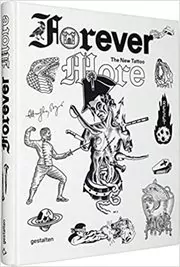
For readers seeking less conventional contemporary styles and the people making them. Its portraits of the tattoo underground offer a change from classic flash, though it documents a particular moment rather than a complete current scene.
What it's about
Artist profiles and photographs document the contemporary tattoo underground, from tribal motifs and stick-and-poke work to watercolor and Art Brut influences. The collection explores individual stories, traveling practitioners, and the varied styles shaping tattoo culture.
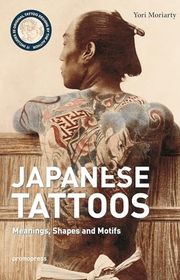
Japanese Tattoos: Meanings, Shapes and Motifs
For readers who want to concentrate on the vocabulary of Japanese tattoo design. Its motif-focused approach complements a world survey, though understanding visual symbols is different from learning to draw or tattoo them.
What it's about
Yori Moriarty explores Japanese tattoo designs and the meanings associated with recurring motifs. The illustrated guide connects imagery with cultural background, helping readers look more closely at the shapes, stories, and symbolism within the tradition.
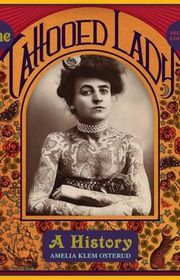
The Tattooed Lady: A History
For readers interested in the working lives behind tattooed sideshow performers. It offers a narrower social history than the broader art surveys, with archival photographs and research taking precedence over design inspiration.
What it's about
Amelia Klem Osterud examines women who displayed their tattoos in traveling shows, separating their staged origin stories from their lives and work. Historical photographs connect tattoo culture with women’s labor, performance, and changing social expectations.
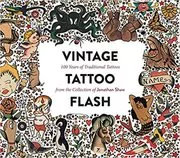
Vintage Tattoo Flash
100 Years of Traditional Tattoos from the Collection of Jonathan Shaw
For artists and collectors who want historic American flash reproduced as design sheets. The archive makes changing motifs and styles visible, though it offers less instruction in drawing or tattooing than a practical manual.
What it's about
Jonathan Shaw presents historic tattoo flash from his private collection, reproducing original design sheets by numerous artists. The images follow American tattooing from New York's Bowery through Texas and California to emerging black-and-gray work in Los Angeles.
High Voltage Tattoo
For readers who enjoy an artist’s visual scrapbook as much as a memoir. Sketches and portfolios show a range of influences, though the personal presentation offers less systematic history than The Tattoo History Source Book.
What it's about
Kat Von D combines personal stories, sketches, tattoo portfolios, and interviews in an illustrated account of tattoo culture. She traces her artistic influences and career while examining tattoo processes, other artists' work, and her own tattoos.
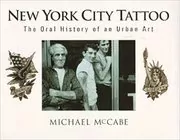
For readers interested in the people behind New York’s earlier tattoo scene. Oral histories preserve working lives and individual voices, though recollection and a local focus make this different from a broad chronological history.
What it's about
Michael McCabe records interviews with tattoo artists who worked in New York before its 1961 tattooing ban. Illustrated recollections preserve the personalities, working conditions, and stories of a small community practicing an often marginalized urban art.
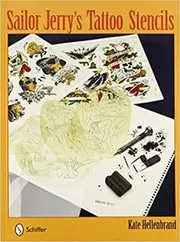
Sailor Jerry's Tattoo Stencils
For readers who want to study traditional designs through working stencils. Its connection to Sailor Jerry gives the archive a clear identity, though stencil reference provides less finished-tattoo photography or wider historical narrative.
What it's about
Kate Hellenbrand presents Sailor Jerry's tattoo stencils from the 1940s through the early 1970s. Designs include pin-ups, roses, birds, banners, and military cartoons, with explanations of stencil use and a glossary of tattoo terms.

Sailor Jerry's Tattoo Stencils II
For artists and collectors who want more of Sailor Jerry’s original line work. The second volume keeps the focus on usable stencil designs, although its narrow range suits traditional American imagery rather than contemporary styles.
What it's about
This second collection reproduces hand-cut stencils by Norman “Sailor Jerry” Collins, including pinups, roses, and military cartoons. The drawings let artists and collectors examine the basic lines behind his traditional tattoo designs.
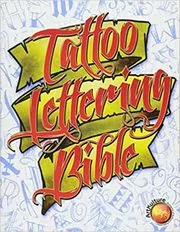
Tattoo Lettering Bible
For readers concentrating on text-based tattoos who want alphabets and banners in one place. Its focused visual reference is more useful than a general motif collection, though it does not replace learning lettering construction.
What it's about
This visual reference gathers lettering styles and banners submitted to Superior Tattoo. It brings alphabet designs together in one collection, giving tattoo artists and clients examples to consult when developing names, memorials, or other text-based tattoos.
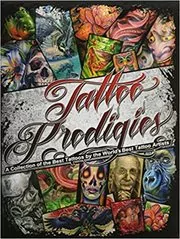
For readers who want finished tattoos, paintings, and artists’ accounts together. The gallery format offers more insight into individual approaches than a pattern catalogue, though it is primarily visual inspiration rather than practical instruction.
What it's about
Mike DeVries brings together galleries of tattoos and paintings by artists from around the world. Interviews and personal stories accompany the color images, exploring the creative experiences and approaches behind their work.
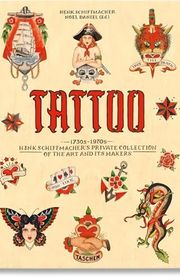
TATTOO. Henk Schiffmacher’s Private Collection
For readers who want a substantial visual archive with a collector’s perspective. Its mix of designs, photographs, and artifacts provides historical variety, though the large format is better for sustained browsing than portable reference.
What it's about
Henk Schiffmacher opens his collection of tattoo drawings, flash, photographs, and related artifacts from the 1730s to the 1970s. Personal commentary accompanies material tracing artists, traditions, and the movement of tattoo imagery across cultures.
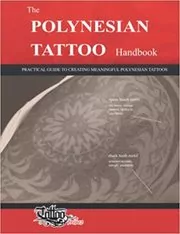
The Polynesian Tattoo Handbook
Practical Guide to Creating Meaningful Polynesian Tattoos
For readers who want to understand how symbols can combine within a Polynesian-inspired design. Its creation process is more focused than a general atlas, though the handbook cannot represent every community’s meanings or protocols.
What it's about
Roberto Gemori introduces Polynesian tattoo symbols and their meanings, then explains how to combine and position them in personalized designs. A step-by-step creation process, reference material, and case studies illustrate the development of meaningful tattoos.

The Tattoo Textbook
For aspiring tattoo artists who want to think through training and a working career together. Its broader professional focus distinguishes it from a design collection, though advice about equipment and business needs adapting to current circumstances.
What it's about
Shelly Dax introduces tattoo practice alongside the decisions involved in pursuing it as a career. The book discusses artistic foundations, equipment, professional development, and business considerations, giving aspiring artists a broad view of the work.
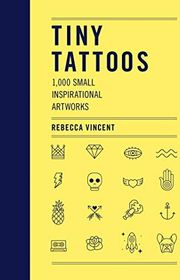
Tiny Tattoos
For readers who want small-scale imagery rather than large traditional compositions. Its organised collection makes comparing simple motifs easy, though these illustrations offer inspiration rather than personalised advice about placement or long-term appearance.
What it's about
Rebecca Vincent collects a thousand small tattoo illustrations, organised by subject and style. The designs range across natural forms, symbols, and other miniature motifs, offering a visual starting point for readers exploring a smaller piece of body art.
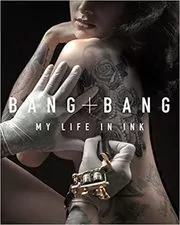
For readers curious about the career behind celebrity tattoo work. Personal stories and photographs make the artist’s experience concrete, though the focus on one successful practitioner gives a narrower view than a cultural survey.
What it's about
Keith 'Bang Bang' McCurdy recounts his development from a self-taught tattoo artist in Delaware to work with celebrity clients. Personal stories and color photographs explore his career, artistic style, and the experiences behind individual tattoos.
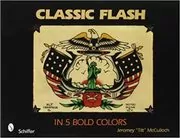
Classic Flash in 5 Bold Colors
For artists and collectors interested in the visual discipline of traditional flash. Its limited palette makes the relationship between color and bold design easy to study, though the stylistic range is deliberately narrow.
What it's about
Jeromey McCulloch celebrates traditional American tattooing through classic flash designs rendered in five colors. His work and collaborations draw on earlier tattoo artists, presenting familiar motifs in black, red, yellow, green, and brown.
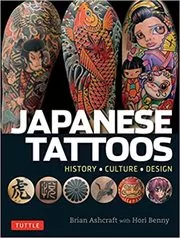
For readers who want Japanese tattoo imagery explained alongside cultural context. Interviews and photographs connect recurring motifs with working artists, though its survey format offers less depth on any single tradition or practitioner.
What it's about
Brian Ashcraft and Hori Benny explore Japanese tattoo imagery, cultural context, and design through photographs and artist interviews. Coverage ranges from traditional hand-poked work and kanji to anime-inspired tattoos, explaining the meanings behind recurring visual motifs.
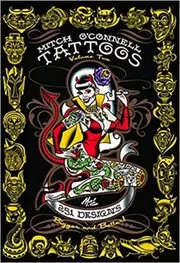
For readers who like traditional flash filtered through lowbrow and retro pop imagery. The consistent personal style gives the collection character, though those seeking realistic portraits or restrained minimalist designs should choose elsewhere.
What it's about
This collection presents 251 color tattoo designs combining traditional flash with Mitch O'Connell's lowbrow pop imagery. Pinups, monsters, devils, horror, and retro subjects appear throughout, offering a visual reference for tattoo artists and their clients.
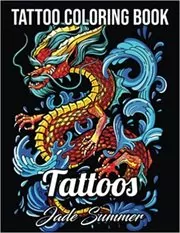
Tattoo Coloring Book
An Adult Coloring Book with Awesome, Sexy, and Relaxing Tattoo Designs for Men and Women
For readers who want to engage with tattoo imagery through coloring. Familiar motifs offer a low-pressure creative activity, though this is a coloring collection rather than a history, technique manual, or artist portfolio.
What it's about
This adult coloring collection presents tattoo-inspired illustrations featuring skulls, eagles, angels, roses, and other motifs. Its designs invite readers to choose their own colors, offering an illustrated activity for beginners and more experienced coloring enthusiasts alike.
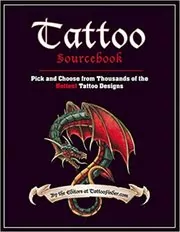
Tattoo Sourcebook
For readers who want to compare designs across several styles before narrowing their ideas. Its broad selection encourages browsing, though it offers less sustained attention to individual artists or cultural history than the more focused books.
What it's about
This visual sourcebook gathers tattoo designs from artists around the world, ranging from Celtic and tribal patterns to dragons, flowers, and symbolic images. Artist commentary and introductory guidance accompany the collection of ideas for prospective tattoos.
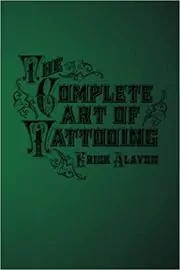
The Complete Art of Tattooing
For apprentices who want an extended technical reference alongside practical instruction. Its collected material reaches beyond design into equipment and working processes, though some details need checking against current training and local requirements.
What it's about
Erick Alayon combines three earlier tattooing books with updated explanations and additional material drawn from his professional experience. The manual discusses tattoo practice and equipment, adding coverage of photography, frame geometry, and sterilization to its instruction.
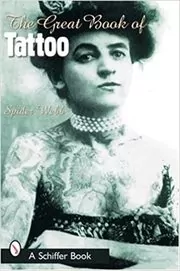
The Great Book of Tattoo
For readers who prefer historical photographs of tattooed people to sheets of designs. Its long visual span reveals changing presentation and motifs, though the image-led format provides less analysis than a dedicated social history.
What it's about
Spider Webb collects vintage photographs documenting tattooed people from the nineteenth century through the 1980s. Images of sailors, circus performers, and women display designs associated with love, military life, religion, and tribal traditions.
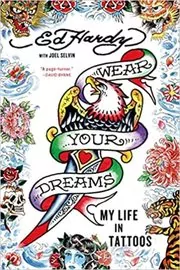
For readers who want an artist’s life to connect American and Japanese tattoo influences. Hardy’s personal account offers a different perspective from a survey, though a memoir necessarily follows his experience and point of view.
What it's about
Ed Hardy recounts his journey from childhood fascination with tattoos to California's tattoo renaissance and an international fashion brand. His memoir follows artistic influences, work with Sailor Jerry, and lessons learned from tattoo masters in Japan.
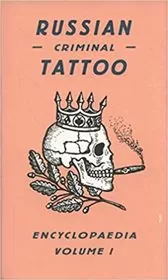
Russian Criminal Tattoo Encyclopaedia Volume I
For readers interested in tattoos as a coded social language within prisons. Its documentary drawings and photographs reward close study, though the violent imagery and specific criminal context make it a demanding visual reference.
What it's about
Drawings, photographs, and texts collected by prison attendant Danzig Baldaev document the tattoo imagery of Russian convicts. This first volume explores a hidden visual language through which prisoners express identity, beliefs, and their society's traditions.
Sources
- 1
10 Best Tattoo Books - For Inspiration, Guide and How-To's
tattoolikethepros.com
- 2
15 Best Tattoo Books Reviews in 2024 - BestTattooGuide.com
besttattooguide.com
- 3
100 Best Tattoo Books of All Time (Updated for 2026)
shortform.com
- 4
Our review of the Top 10 Tattoo Books for Beginners
tattooandpiercingsupplies.com
- 5
Tattoos and Skin Illustrations (133 books)
goodreads.com
- 6
Best Tattoo Books for Enthusiasts | Tattoo Registry
tattooreg.com
- 7
The Best 18 Tattoo Books - Blinkist
blinkist.com
- 8
What are your top 3 favorite books for inspiration?
reddit.com



Edited by
Software engineer whose passion for tracking book recommendations from podcasts inspired the creation of MRB.
Lead investor at 3one4 Capital whose startup expertise and love for books helped shape MRB and its growth.
Comments
Spotted a missing book, a wrong order or a mistake? Tell us and we'll fix this page.
We're a reading guide, not the author or publisher, so we can't send books or pass on messages.