
12 Best Android Books
The best Android books, ranked by how many expert sources recommend each, with notes on prerequisites, teaching style, and which editions suit your project.
Our take
Android books range from first programming lessons to detailed references for developers maintaining established applications. Some teach Java, others assume Kotlin, and many concentrate on older versions of the platform. Before choosing a course, check its language, edition, and interface approach against the app you want to build or the code you need to understand.
Head First Android Development uses a visual, exercise-led approach. Android Programming: The Big Nerd Ranch Guide offers a more sustained project course for programmers, while John Horton's beginner books introduce a language alongside app development. Android Cookbook is designed for looking up individual problems rather than reading as a first course. The Busy Coder's Guide to Android Development provides extensive coverage of an earlier Java-based approach, and Mastering Android Game Development focuses on game systems. Start with language fundamentals if programming is new, then choose a recent edition of a project course and check changing APIs against current documentation.
12 books · 8 sources · Last updated
As an Amazon Associate, we earn from qualifying purchases (at no extra cost to you).
How to choose from this list
Skip to the full rankingIf you need Kotlin foundations first: Kotlin Programming
If you learn through visual exercises: Head First Android Development
If you know Kotlin and want an Android course: Android Programming
If you're starting programming with Kotlin: Android Programming with Kotlin for Beginners
If you maintain older apps and need recipes: Android Cookbook
If you want to build game systems: Mastering Android Game Development
The 12 books, ranked
Ranked by how many expert sources name each book. Ties go to the book more people recommend.

For programmers who know Kotlin and want to learn Android through sustained projects. Its application-based progression connects platform concepts with working code, though readers seeking quick answers may prefer a recipe reference and beginners may need language practice first.
What it's about
This Big Nerd Ranch guide teaches Android development through example applications for programmers familiar with Kotlin. Projects explain core concepts and APIs while covering databases, web images, app integration, coroutines, and Jetpack Compose interfaces.

Head First Android Development
For learners who absorb ideas through diagrams, questions, and small exercises. Its visual teaching style provides more reinforcement than a concise reference, though you need some Kotlin knowledge and should check which edition's tools the examples use.
What it's about
Dawn and David Griffiths guide readers with some Kotlin knowledge through building Android applications. Visual explanations and practical examples develop user interfaces, multiple screens, and database storage, with this third edition covering Android Jetpack features including Jetpack Compose.

The Busy Coder's Guide to Android Development
For developers maintaining Java-based Android applications who need a broad historical reference. Its extensive coverage helps explain the older platform approach, though the series is finished and should not be mistaken for a continuously updated guide.
What it's about
Mark L. Murphy introduces Android application development using Java. Examples move from simple user interfaces to background processing and location features, explaining the platform's capabilities and APIs for developers building mobile applications.

Android Programming with Kotlin for Beginners
For beginners who want to learn Kotlin and Android together through projects. It avoids requiring a separate language course first, though learning both at once can be demanding and its interface and storage examples reflect an earlier Android stack.
What it's about
John Horton teaches Kotlin alongside Android development through practical projects and smaller examples. Lessons cover layouts, object-oriented programming, user interaction, sound, animation, and storing application data with JSON and SQLite.
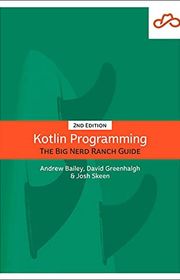
Kotlin Programming: The Big Nerd Ranch Guide
For programmers who need a firmer grasp of Kotlin before tackling Android's lifecycle and APIs. Its language-first structure keeps those learning problems separate, though it does not replace a course in building Android applications.
What it's about
The Big Nerd Ranch guide introduces Kotlin through explanations, exercises, and programming challenges. It develops language fundamentals and more advanced features, giving readers practice with the code concepts they can later apply in Android and other Kotlin projects.

Android App Development For Dummies
For beginners who want an approachable tour through sample applications and publishing. The gentle explanations lower the initial barrier, though this older guide's tooling and platform details need checking against current development documentation.
What it's about
Michael Burton teaches Android app development through introductory and intermediate sample programs. The guide covers installing development tools, designing interfaces for phones and tablets, handling user input, and preparing applications for publication on Google Play.

For readers who want a broad introduction spanning tools, language concepts, testing, and release. Its range makes it useful for orientation, though the many topics receive less depth than a focused course and some workflows have changed.
What it's about
Barry Burd and John Paul Mueller introduce Android development across mobile devices and televisions, with overviews of other device types. The guide covers Android Studio, Kotlin, functional programming, app features, testing, and preparing applications for release.

For developers who already understand Android and need examples for a particular problem. The contributed recipes cover more situations than a linear beginner course, though varying approaches and older APIs require judgment before code is reused.
What it's about
Ian F. Darwin gathers practical Android recipes contributed by developers. Solutions and sample code cover interfaces, gestures, location services, multimedia, sensors, data storage, web services, testing, and preparing applications for distribution.

For developers studying advanced features in an older Android codebase. Its range of custom interfaces, media, and background work goes beyond beginner projects, though platform changes mean examples need substantial verification before reuse in a new app.
What it's about
Erik Hellman shows experienced Android developers how to build more advanced applications. Topics include custom views, multitouch gestures, background processing, media, security, location services, remote connections, testing, and distribution through Google Play.

Android Programming for Beginners
Build In-Depth, Full-Featured Android Apps Starting From Zero Programming Experience
For complete beginners who want to learn Java through building Android applications. It connects language fundamentals with tangible projects, though readers planning a Kotlin-based app will need additional study and should expect older platform examples.
What it's about
John Horton introduces Java and Android development for readers without programming experience. Full applications and smaller exercises teach the fundamentals step by step, connecting language concepts with the work of creating Android apps.

Android 9 Development Cookbook
Over 100 Recipes and Solutions to Solve the Most Common Problems Faced by Android Developers
For developers working specifically with Android 9 examples who prefer problem-and-solution recipes. The focused tasks make individual techniques easy to locate, though the named platform and development environment require adaptation for current projects.
What it's about
Rick Boyer presents more than a hundred recipes for building Android 9 applications. Each problem includes a solution and sample code, with guidance on Android Studio 3 and topics ranging from setup to application security.

Mastering Android Game Development
For developers who already know Android and want to understand game systems built with its SDK. Its attention to input, collision, and animation differs from general app guides, though older platform services and examples will need updating.
What it's about
Raul Portales explains how to build games with the Android SDK for developers who already know Android. Topics include game engine components, drawing, input controls, collision detection, animation, particle systems, interfaces, achievements, and leaderboards.
Sources
- 1
21 Top Android App Development Books For 2025
netguru.com
- 2
The 17 Best Android Development Books You Can’t Miss
thectoclub.com
- 3
Best Books to Learn Kotlin and Android Development, in Order
readingsherpa.com
- 4
Android Development Books
goodreads.com
- 5
Best book for an experienced dev new to Android
reddit.com
- 6
awesome-android-learning-resources
github.com
- 7
13 BEST Android Books for App Development (2026 Update)
guru99.com
- 8
CommonsWare’s Books
commonsware.com





Edited by
Software engineer whose passion for tracking book recommendations from podcasts inspired the creation of MRB.
Lead investor at 3one4 Capital whose startup expertise and love for books helped shape MRB and its growth.
Comments
Spotted a missing book, a wrong order or a mistake? Tell us and we'll fix this page.
We're a reading guide, not the author or publisher, so we can't send books or pass on messages.