
11 Best Dyslexia Books
The best dyslexia books, ranked by how many expert sources recommend each one, with notes on who each suits, from parents and teachers to young readers.
Our take
Dyslexia books serve several audiences: adults trying to understand their experiences, parents considering support, teachers studying reading instruction, and children looking for characters they recognize. A research overview, a personal account, and a story can each help, but they answer different questions.
Overcoming Dyslexia offers a broad introduction to reading difficulties and support. Proust and the Squid explores how reading develops within a wider scientific and historical account. The Dyslexia Empowerment Plan puts family advocacy and confidence nearer the center. Strengths-focused books such as The Dyslexic Advantage provide another perspective, but individual experiences and abilities vary. Uncovering The Logic of English concentrates on language patterns rather than dyslexia alone. For younger readers, Fish in a Tree provides a fictional experience that families can discuss together, while teacher references ask for more technical study.
Start with Overcoming Dyslexia for an overview, then choose a book matched to your role and the questions you want to explore.
11 books · 8 sources · Last updated
As an Amazon Associate, we earn from qualifying purchases (at no extra cost to you).
How to choose from this list
Skip to the full rankingIf you want a broad introduction: Overcoming Dyslexia
If you're supporting a child's confidence and advocacy: The Dyslexia Empowerment Plan
If you want reading science in context: Proust and the Squid
If you're studying language for teaching: Speech to Print → Essentials of Assessing, Preventing, and Overcoming Reading Difficulties
If you're choosing a story for a child: Thank You, Mr. Falker → Fish in a Tree
If you're exploring a strengths-focused perspective: The Dyslexic Advantage
The 11 books, ranked
Ranked by how many expert sources name each book. Ties go to the book more people recommend.

Overcoming Dyslexia
For parents and adults seeking a substantial starting overview, Shaywitz connects reading science with recognition and support across ages. The breadth helps organize questions, though the detailed treatment can be demanding and isn't an individualized assessment.
What it's about
Sally Shaywitz explains reading difficulties and dyslexia through research and practical examples. The book discusses recognition and assessment across age groups, then offers parents, teachers, and readers guidance on supporting literacy development and addressing persistent reading challenges.

Fish in a Tree
For middle-grade readers who want a character's experience rather than an explanation of terminology, Hunt offers an accessible fictional starting point. The emphasis on belonging supports discussion, though one story cannot represent the range of dyslexic experiences.
What it's about
Ally hides her difficulty reading behind disruptive behavior each time she changes schools. When a new teacher recognizes her creativity and dyslexia, she begins to gain confidence, form friendships, and discover abilities that the labels imposed on her have obscured.

The Dyslexia Empowerment Plan
A Blueprint for Renewing Your Child's Confidence and Love of Learning
For parents who want confidence, advocacy, and practical support considered together, Foss brings lived experience to the discussion. The family-centered approach complements reading-science overviews, though examples of navigating services need adapting to your education system.
What it's about
Ben Foss combines personal experience with a three-step approach for supporting children with dyslexia. He emphasizes identifying individual strengths, developing confidence and self-advocacy, and building a supportive community, with practical strategies for learning and navigating school.

For readers curious about reading as a learned human achievement, Wolf connects language history with cognitive science. The broader perspective gives dyslexia context, though it is more conceptual and demanding than a practical parent guide.
What it's about
Maryanne Wolf explores how people learn to read and how written language reshapes the brain. Combining the history of writing with cognitive science, she traces reading development, examines dyslexia, and considers the relationship between literacy, thought, and intellectual life.

For readers who want a perspective that includes strengths alongside literacy difficulties, the Eides offer a different emphasis from instruction manuals. The interviews can broaden self-understanding, though proposed patterns shouldn't become expectations about every dyslexic person's abilities.
What it's about
Brock and Fernette Eide examine strengths they associate with dyslexic thinking alongside reading and literacy challenges. Research discussions and interviews explore mechanical, interconnected, narrative, and dynamic reasoning, with practical considerations for learning, family life, education, and work.
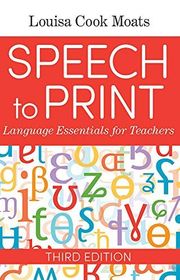
Speech to Print: Language Essentials for Teachers
For teachers who want to understand the language behind reading and spelling instruction, Moats provides a focused professional reference. Its linguistic detail complements broader dyslexia guides, though the exercises and terminology require sustained study rather than quick browsing.
What it's about
Louisa Moats explains the structure of spoken and written English for educators. Chapters and exercises examine speech sounds, spelling, word structure, meaning, and sentences, connecting language knowledge with the work of teaching children to read and write.
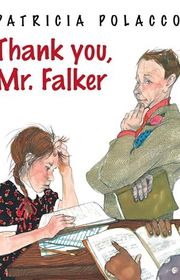
Thank You, Mr. Falker
For families and younger children who want to discuss the feelings surrounding reading difficulty, Polacco offers an illustrated personal story. The emotional focus encourages empathy, though it shouldn't set an expectation that every child's progress follows the same path.
What it's about
A young girl who loves stories struggles to read and faces teasing at school. A teacher recognizes her difficulty and begins helping her, in a picture book drawing on Patricia Polacco's childhood experience of learning and encouragement.

The Gift of Dyslexia
Why Some of the Smartest People Can't Read...and How They Can Learn
For readers specifically interested in Ronald Davis's account and teaching approach, this book presents that program in detail. Its focused perspective may aid understanding of his ideas, though it isn't a broad comparison of reading instruction or research.
What it's about
Ronald Davis and Eldon Braun present Davis's understanding of dyslexia and a program intended to support reading and learning. The book explains his approach through teaching techniques and practical exercises, emphasizing abilities, perception, literacy, and confidence.
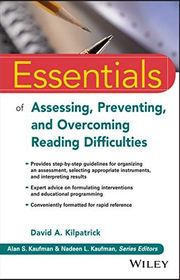
Essentials of Assessing, Preventing, and Overcoming Reading Difficulties
For educators and assessment professionals who want a detailed account of word-level reading difficulties, Kilpatrick offers a more technical foundation than parent overviews. The research focus supports professional study, though terminology and depth make it demanding for casual reading.
What it's about
David Kilpatrick examines the skills involved in word reading and the assessment of reading difficulties. The book discusses phonological processing, word recognition, and instruction, connecting research findings with questions about identifying and supporting students who struggle with literacy.

Seeing What Others Cannot See
The Hidden Advantages of Visual Thinkers and Differently Wired Brains
For readers interested in visual thinking and unconventional problem-solving, West offers a collection of perspectives beyond reading difficulties alone. The examples broaden the discussion of ability, though exceptional achievers shouldn't be treated as typical of everyone with dyslexia.
What it's about
Thomas G. West explores the creative potential of visual thinkers and people with learning differences. First-person accounts illustrate how unconventional ways of thinking can contribute to discoveries, problem solving, and innovation, including examples involving dyslexia, autism, and technical work.

Uncovering The Logic of English
A Common-Sense Approach to Reading, Spelling, and Literacy
For parents and teachers who want English spelling patterns made more explicit, Eide provides an approachable reference. The explanations help organize language knowledge, though this is a general literacy resource rather than a complete individualized dyslexia teaching plan.
What it's about
Denise Eide explains English reading and spelling through phonograms, spelling rules, and word formation. Examples challenge the idea that the language is wholly irregular, offering teachers, parents, adult learners, and English-language students tools for understanding its patterns.
Sources
- 1
Recommended Reading | The Dyslexia Initiative
thedyslexiainitiative.org
- 2
Books about Dyslexia for All Ages - Ohio’s Statewide Family Engagement Center
ohiofamiliesengage.osu.edu
- 3
RECOMMENDED RESOURCES - International Dyslexia Association | Oregon
or.dyslexiaida.org
- 4
Our Favorite Books - Dyslexia Help
dyslexiahelp.umich.edu
- 5
The Top Books About Dyslexia for Parents and Teachers - The Literacy Nest
theliteracynest.com
- 6
10 Books About Dyslexia for Parents, Teachers, and Students - TCK Publishing
tckpublishing.com
- 7
Dyslexia Books
goodreads.com
- 8
Looking for books on the subject of dyslexia
reddit.com




Edited by
Software engineer whose passion for tracking book recommendations from podcasts inspired the creation of MRB.
Lead investor at 3one4 Capital whose startup expertise and love for books helped shape MRB and its growth.
Comments
Spotted a missing book, a wrong order or a mistake? Tell us and we'll fix this page.
We're a reading guide, not the author or publisher, so we can't send books or pass on messages.