
10 Best Android Development Books
Explore the best Android development books, ranked by expert sources, with choices for Kotlin learners, project-based study, and maintaining older apps.
Our take
Android development brings together a programming language, a changing platform, and the decisions involved in building an app people can use. These books serve different needs: some teach programming from the beginning, others explain the platform through projects, and a few are most useful when working with older code. The edition matters as much as the title.
For new development, look for Kotlin and Jetpack Compose coverage, and check setup steps against the current tools. Head First Android Development uses a visual teaching style, while Android Programming: The Big Nerd Ranch Guide suits readers who already know Kotlin and want a project-led course. If language features are slowing you down, Kotlin Programming: The Big Nerd Ranch Guide offers a separate foundation, and Kotlin in Action, Second Edition goes further for existing programmers. Start with your language experience, then choose an Android guide whose examples match the kind of app you want to build.
10 books · 6 sources · Last updated
As an Amazon Associate, we earn from qualifying purchases (at no extra cost to you).
How to choose from this list
Skip to the full rankingIf you need Kotlin foundations first: Kotlin Programming → Head First Android Development
If you already program and want stronger Kotlin: Kotlin in Action, Second Edition → Android Programming
If you learn Android through visual exercises: Head First Android Development → Android Programming
If you maintain older Java apps: Android Programming for Beginners → Android Cookbook
The 10 books, ranked
Ranked by how many expert sources name each book. Ties go to the book more people recommend.
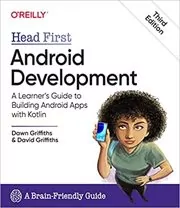
Head First Android Development
For learners who prefer diagrams and active exercises, this guide makes Android concepts less intimidating. Its Kotlin-based third edition includes Compose, but the extended visual approach takes more space than a concise programming reference.
What it's about
Dawn and David Griffiths guide readers with some Kotlin knowledge through building Android applications. Visual explanations and practical examples develop user interfaces, multiple screens, and database storage, with this third edition covering Android Jetpack features including Jetpack Compose.
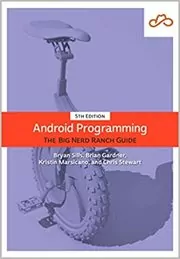
For programmers comfortable with Kotlin who learn by building, the guide develops Android concepts through substantial projects. Its fifth edition includes Compose, but readers without language foundations may find the pace demanding.
What it's about
This Big Nerd Ranch guide teaches Android development through example applications for programmers familiar with Kotlin. Projects explain core concepts and APIs while covering databases, web images, app integration, coroutines, and Jetpack Compose interfaces.
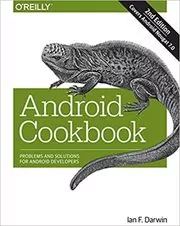
For Java developers looking up a specific Android problem, the editor’s recipe format makes selective reading straightforward. The range of contributed solutions is useful, but examples from older platform versions require careful checking before reuse.
What it's about
Ian F. Darwin gathers practical Android recipes contributed by developers. Solutions and sample code cover interfaces, gestures, location services, multimedia, sensors, data storage, web services, testing, and preparing applications for distribution.
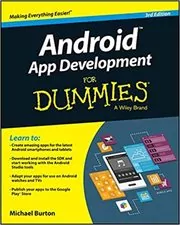
Android App Development For Dummies
For beginners working through older Java-based Android projects, Burton provides a friendly introduction with complete examples. Its approachable explanations remain useful for orientation, but dated tooling makes it a poor standalone route into new development.
What it's about
Michael Burton teaches Android app development through introductory and intermediate sample programs. The guide covers installing development tools, designing interfaces for phones and tablets, handling user input, and preparing applications for publication on Google Play.
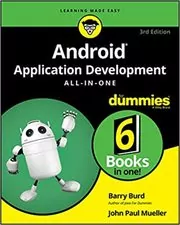
For readers who prefer a broad desk reference, the collection brings language basics and app-development tasks together. Its wide coverage makes selective reading possible, but platform changes mean setup and publication instructions need checking.
What it's about
Barry Burd and John Paul Mueller introduce Android development across mobile devices and televisions, with overviews of other device types. The guide covers Android Studio, Kotlin, functional programming, app features, testing, and preparing applications for release.
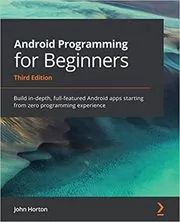
Android Programming for Beginners
Build In-Depth, Full-Featured Android Apps Starting From Zero Programming Experience
For complete beginners who specifically need Java-based Android development, Horton teaches programming alongside practical app projects. The gradual progression is supportive, but it is less direct for learners aiming at Kotlin and Compose.
What it's about
John Horton introduces Java and Android development for readers without programming experience. Full applications and smaller exercises teach the fundamentals step by step, connecting language concepts with the work of creating Android apps.
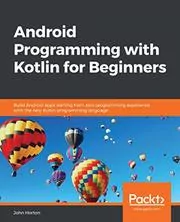
Android Programming with Kotlin for Beginners
For first-time programmers who want Kotlin explained through Android projects, Horton keeps language concepts tied to visible results. The approach is approachable, but its older interface and tooling examples require adaptation for current projects.
What it's about
John Horton teaches Kotlin alongside Android development through practical projects and smaller examples. Lessons cover layouts, object-oriented programming, user interaction, sound, animation, and storing application data with JSON and SQLite.

Kotlin in Action, Second Edition
For programmers who want a firmer Kotlin foundation before tackling Android complexity, this edition explains language features with substantial examples. Its coverage of coroutines and flows is useful, but it is not an Android project course.
What it's about
Members of the Kotlin team explain the language through examples covering types, functions, lambdas and interoperability. This second edition expands the treatment of coroutines, helping experienced programmers connect Kotlin’s core features with asynchronous application development.
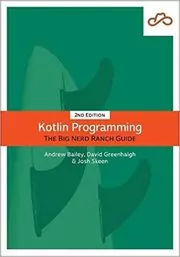
For learners who want to understand Kotlin separately from Android, the second edition develops concepts through guided exercises. Its deliberate progression builds language confidence, but Android interfaces and platform lifecycles require a separate book.
What it's about
David Greenhalgh, Josh Skeen, and Andrew Bailey teach Kotlin through practical exercises that progress from language fundamentals to advanced features. The second edition covers types, functions, classes, generics, Java interoperability, and asynchronous programming with coroutines, flows, and channels.
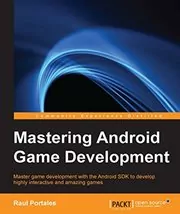
Mastering Android Game Development
For Android developers curious about implementing game systems directly, Portales explores the machinery behind interaction and animation. Its focused technical perspective suits experimentation, but dated platform integrations limit its usefulness as a contemporary publishing guide.
What it's about
Raul Portales explains how to build games with the Android SDK for developers who already know Android. Topics include game engine components, drawing, input controls, collision detection, animation, particle systems, interfaces, achievements, and leaderboards.
Sources
- 1
21 Top Android App Development Books For 2025
netguru.com
- 2
The 17 Best Android Development Books You Can’t Miss
thectoclub.com
- 3
32 Best Android Development Books of All Time
shortform.com
- 4
Mobile App Development
goodreads.com
- 5
Best Books to Learn Kotlin and Android Development, in Order
readingsherpa.com
- 6
Recommend me good books for Android for 2 YoE.
reddit.com

Edited by
Software engineer whose passion for tracking book recommendations from podcasts inspired the creation of MRB.
Lead investor at 3one4 Capital whose startup expertise and love for books helped shape MRB and its growth.
Comments
Did we miss something? Have feedback?
Help us improve this page by sharing your thoughts