
13 Best Eric Carle Books
The best Eric Carle books, ranked by how many expert sources recommend each one, with notes on who each book suits and where to start reading with young children.
Our take
Eric Carle’s painted-paper collages give familiar animals, plants, and everyday discoveries a bold visual life. His books vary in how they invite children to join in: repeated words, movements, counting, hidden pictures, textures, and pages that unfold. Some are quick introductions to colors or animal names; others tell a longer story about growth, change, or finding company.
The Very Hungry Caterpillar offers a natural starting point for counting and anticipation. Brown Bear, Brown Bear, What Do You See?, with words by Bill Martin Jr., builds participation through rhythm and repetition. Choose From Head to Toe when a child wants to move, or The Artist Who Painted a Blue Horse when they want to make art. Mister Seahorse and The Tiny Seed open up conversations about living things. Start with the activity your child enjoys, and check the edition when textures, foldouts, or lights are part of the appeal.
13 books · 5 sources · Last updated
As an Amazon Associate, we earn from qualifying purchases (at no extra cost to you).
Reading Eric Carle in order? See all Eric Carle books in order
How to choose from this list
Skip to the full rankingIf you're sharing a first read-aloud: The Very Hungry Caterpillar → Brown Bear, Brown Bear, What Do You See?
If your child wants to move: From Head to Toe
If your child enjoys animal patterns: The Very Busy Spider → The Mixed-Up Chameleon
If you want nature and growing things: Mister Seahorse → The Tiny Seed
If you want to encourage making art: The Artist Who Painted a Blue Horse → Draw Me a Star
If you're reading about change: A House for Hermit Crab
The 13 books, ranked
Ranked by how many expert sources name each book. Ties go to the book more people recommend.
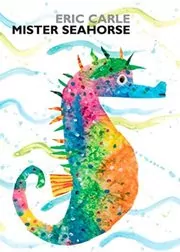
For children curious about sea creatures and different kinds of animal parenting. The hidden pictures add a visual discovery game, though the information and delicate transparent pages suit shared reading better than rough independent handling.
What it's about
Mister Seahorse carries eggs while other animal dads also watch over their young. Hidden pictures reveal sea creatures, making it a gentle story about parenting and patience.
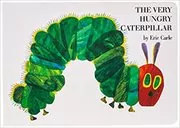
For toddlers who enjoy counting, naming foods, and anticipating what comes next. The page holes and clear progression invite participation, though older children may move quickly through the simple sequence after repeated readings.
What it's about
A tiny caterpillar hatches hungry and eats his way through the week, learning about counting, days, and food. After a big meal and a rest in a cocoon, he becomes a butterfly.

Brown Bear, Brown Bear, What Do You See?
For babies and toddlers beginning to join in with a familiar refrain. Bill Martin Jr.'s rhythmic words and Carle's bold animals make participation easy, though the repeating color-and-animal sequence offers little plot for older listeners.
What it's about
A brown bear begins a repeating chain of questions, with each animal naming the colorful creature it sees next. Bill Martin Jr.'s rhythmic words and Eric Carle's illustrations invite young children to recognize colors, animals and familiar patterns.
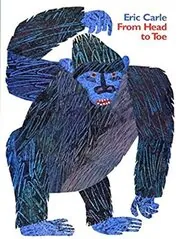
For toddlers and preschoolers who would rather move than sit through a story. The repeated invitations make reading physical and social, though its simple sequence works best when the adult is happy to join the actions.
What it's about
Animals demonstrate big movements, from bending and stomping to wriggling and kicking. Each page invites kids to copy along, turning the book into an easy, joyful stretch-and-move game.
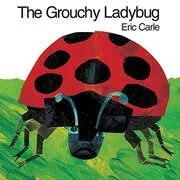
For children who enjoy repeated encounters with increasingly large animals. The changing scale and clock times give the pattern extra interest, though the confrontational refrain may be less appealing when you want a gentle bedtime read.
What it's about
A grouchy ladybug picks fights with bigger and bigger animals as the day goes on. Along the way, kids learn about time, size, and what happens when you choose kindness instead of a quarrel.
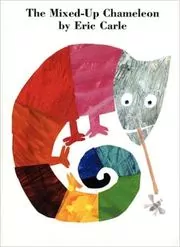
For children interested in animals, color, and being themselves. The increasingly mixed-up creature supplies a strong visual joke, though the lesson is direct and the brief story offers limited development beyond its central idea.
What it's about
A chameleon wishes he could be like the other animals, so he borrows their colors and body parts. After turning into a confusing mix, he realizes being himself is what feels best.
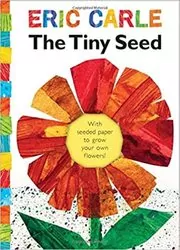
For preschoolers curious about how plants grow through the seasons. The long journey gives a natural process narrative momentum, though the many hazards and changes make it denser than Carle's shortest concept books.
What it's about
A tiny seed travels on the wind through seasons and dangers, from birds and storms to snow and heat. After a long journey, it finally finds the right place to grow into a tall flower.
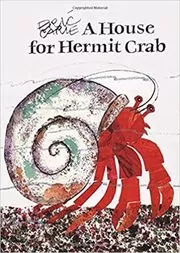
For children facing a move or another change in their familiar world. The cumulative sea-life encounters give reassurance a concrete shape, though the month-by-month structure and details ask for a longer attention span than a simple refrain.
What it's about
A hermit crab finds a new shell and, month by month, decorates it with sea plants and creatures to make it feel like home. When he outgrows it, he has to be brave enough to move on.
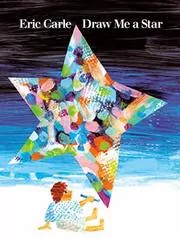
For children who like making pictures and imagining how one drawing leads to another. The expanding visual world encourages creative conversation, though the abstract, creation-like structure is less straightforward than Carle's familiar animal stories.
What it's about
A child draws a star and keeps drawing, creating a world filled with people, animals, and seasons. The story feels like a simple creation tale, ending with a quiet look at how life changes over time.
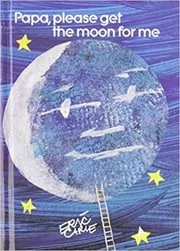
For children who enjoy an affectionate fantasy with a surprising physical format. The unfolding pages make scale part of the experience, though the moon adventure invites imagination rather than a literal explanation of astronomy.
What it's about
Monica wants the moon, so her dad sets out with a long ladder to bring it down for her. It’s a gentle, magical story about love, patience, and watching the moon change shape.
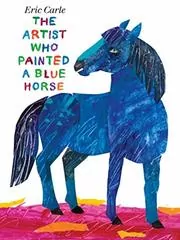
For children ready to experiment with unexpected colors in their own art. The large, surprising animals make creative freedom immediately visible, though the very brief text provides more of a prompt than a developed story.
What it's about
A child imagines painting animals in surprising colors, like a blue horse or a red crocodile. The book is a celebration of creativity, showing that art doesn’t have to match real life.
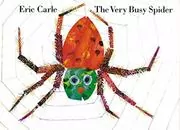
For children who like animal sounds and a predictable repeated pattern. The web's raised texture adds another way to explore the story in suitable editions, though the deliberate repetition gives little change in pace.
What it's about
A spider starts spinning her web first thing in the morning and won’t be distracted by the noisy farm animals around her. By nightfall, her careful work pays off when the web shows what it can do.
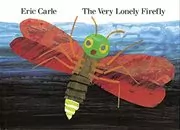
For children who enjoy repeated searches and spotting differences in night scenes. The gradual movement toward company gives the repetition warmth, though the story's light-up effect depends on the particular edition and its condition.
What it's about
A little firefly blinks his light into the night, searching for others like him. After mistaking many glowing things for friends, he finally finds a sky full of real fireflies.
Sources







Edited by
Software engineer whose passion for tracking book recommendations from podcasts inspired the creation of MRB.
Lead investor at 3one4 Capital whose startup expertise and love for books helped shape MRB and its growth.
Comments
Spotted a missing book, a wrong order or a mistake? Tell us and we'll fix this page.
We're a reading guide, not the author or publisher, so we can't send books or pass on messages.