
20 Best Aesthetics Books
The best aesthetics books, ranked by how many expert sources recommend each one, with notes for beginners and readers exploring beauty, taste, and art.
Our take
Aesthetics asks what happens when we find something beautiful, respond to art, or disagree about taste. It also asks how artworks represent the world, whether their value depends on their setting, and what distinguishes art from an ordinary object. These questions extend across literature, music, painting, architecture, and everyday experience; they do not always lead to the same theory.
The introductions and anthologies offer a map of competing arguments, while the major works let you follow one position in depth. Philosophy of Art organizes debates about defining art. Poetics concentrates on dramatic writing, and Critique of Judgement takes a more demanding route through beauty and the sublime. Ways of Seeing connects images with social relationships, while Art as Experience begins from the continuity between art and ordinary life. The shorter reflective books offer concrete examples without replacing philosophical study. Start with Philosophy of Art for an organized introduction, or Ways of Seeing if you want to begin with images.
20 books · 6 sources · Last updated
As an Amazon Associate, we earn from qualifying purchases (at no extra cost to you).
How to choose from this list
Skip to the full rankingIf you're new to philosophical aesthetics: Philosophy of Art → Aesthetics
If you want art connected to everyday experience: Ways of Seeing → Art as Experience
If you want beauty and the sublime: Beauty → A Philosophical Enquiry into the Origin of Our Ideas of the Sublime and Beautiful → Critique of Judgement
If you want to study literature and dramatic effect: Poetics → On Great Writing (On the Sublime)
If you want arguments about what makes something art: The Transfiguration of the Commonplace → After the End of Art
If you're ready for demanding critical theory: Aesthetic Theory
The 20 books, ranked
Ranked by how many expert sources name each book. Ties go to the book more people recommend.

Critique of Judgement
For readers ready to examine why judgments of beauty seem personal yet ask for agreement. Its account of taste and the sublime anchors later debates, but the terminology and wider philosophical system require sustained study.
What it's about
Immanuel Kant investigates judgments of beauty and the sublime alongside the apparent purposiveness of nature. His philosophical inquiry considers taste, imagination, artistic genius, and how aesthetic experience relates to understanding, morality, and the natural world.
For readers who want a historical account of why beauty and overwhelming grandeur feel different. Its concrete examples make an easier approach to the sublime than Kant, but the psychological assumptions belong to its period.
What it's about
Burke distinguishes the experiences he calls beautiful and sublime by examining sensations, emotions, and responses to objects. His inquiry considers pleasure, pain, fear, and magnitude, asking how very different qualities can become sources of aesthetic feeling.
After the End of Art
For readers who want contemporary art’s variety explained through a philosophical history. It connects modern artistic changes with questions about criticism, but the claim that a guiding historical narrative has ended is a contested thesis.
What it's about
Danto argues that contemporary art no longer follows a single historical direction governing what artists must do next. Looking at changes associated with modern and pop art, he considers what this pluralism means for interpretation, criticism, and philosophical aesthetics.

Poetics
For readers interested in how dramatic stories produce their effects. Its compact focus on tragedy makes an approachable primary text, but the Greek theatrical context and limited scope do not supply a general theory of all art.
What it's about
Aristotle examines how Greek tragedy works, considering plot, character, language, and spectacle. His account explores imitation, recognition, reversals, and the audience’s experience of pity and fear, asking why dramatic representations of suffering can give pleasure.
Languages of Art
For readers who enjoy precise arguments about representation, expression, and symbol systems. Its attention to how artworks function differs from accounts centered on beauty, but the technical distinctions and formal passages demand close reading.
What it's about
Goodman examines how artworks represent, express, and organize meaning through systems of symbols. He develops distinctions involving depiction and notation, asking how different artistic practices function and how understanding an artwork depends on more than resemblance or immediate feeling.
On Great Writing (On the Sublime)
For readers interested in the force of language and the effects of elevated writing. Its concrete literary examples make ancient criticism accessible, but its concern with greatness of style is narrower than a general introduction to aesthetics.
What it's about
This ancient work of literary criticism examines the qualities that give writing force and grandeur. Drawing on Greek authors and speakers, it considers style, thought, and emotional effect, asking how language can lift an audience beyond ordinary response.

For beginners who want philosophical arguments about what art is presented in an organized course. Its analytic approach compares competing definitions clearly, but readers seeking a chronological history or extensive cultural criticism will need another book.
What it's about
Noel Carroll introduces philosophical aesthetics through theories of representation, expression, form, and aesthetic experience. Examples from traditional and contemporary art help readers examine what art is, how it is identified, and how competing philosophical accounts address its nature.
The Transfiguration of the Commonplace
For readers puzzled by artworks that look indistinguishable from ordinary objects. Its focused thought experiments sharpen the question of what makes something art, but the argument assumes a willingness to follow extended conceptual distinctions.
What it's about
Danto asks how an artwork can differ from an ordinary object that looks exactly like it. His investigation connects interpretation, artistic theory, metaphor, and historical context, developing an account of art that goes beyond visible properties alone.

In Praise of Shadows
For readers who want aesthetic questions grounded in rooms, materials, and everyday objects. Its reflective style offers an easier entry than systematic philosophy, but its nostalgia and broad contrasts between Japan and the West invite questioning.
What it's about
Junichiro Tanizaki reflects on the role of shadow in Japanese aesthetics and everyday life. Considering architecture, food, theater, and literature, the essay explores subdued beauty and the changes brought by brighter lighting and Western technology.
Also recommended by
1 person Tim Ferriss recommended this book
Tim Ferriss
"A weird little book." - Tim Ferriss
Tim Ferriss's recommendation of this book

Ways of Seeing
For readers who want to connect looking at images with questions about ownership, gender, and publicity. The illustrated essays make those problems concrete, but their polemical approach offers an argument rather than a neutral survey.
What it's about
Based on the BBC television series, John Berger's illustrated book examines how people look at art and interpret images. He questions familiar assumptions about paintings and explores the relationship between visual experience and what viewers already know.
Also recommended by
1 person Dave Elitch recommended this book
Dave Elitch
Dave Elitch mentioned this book on "The Tim Ferriss Show" podcast.
Dave Elitch's recommendation of this book
Aesthetic Theory
For advanced readers interested in tensions between artistic autonomy and social conditions. Its sustained treatment of modern art rewards familiarity with critical theory, but the fragmented structure and difficult prose make it a poor first introduction.
What it's about
Adorno investigates art’s relation to society, truth, form, and the possibility of autonomy. His unfinished work develops a critical account of aesthetic experience and modern artistic practice, continually questioning how artworks resist and absorb the worlds that produce them.

For students who want to encounter competing arguments in the philosophers’ own words. The broad selection supports historical or thematic study, but the changes of voice and difficulty make an introductory guide a useful companion.
What it's about
Steven Cahn and Aaron Meskin collect major writings on aesthetics and the philosophy of art, from Plato to contemporary thinkers. Introductory essays organize historical sources, modern theories, and recent debates, with alternative contents lists supporting historical or thematic reading.
Art as Experience
For readers who want art connected to ordinary activity and perception rather than isolated in museums. Its emphasis on experience offers a different starting point from definitions of art, but the extended philosophical argument takes patience.
What it's about
Dewey develops an account of art rooted in the rhythms and qualities of lived experience. Moving across different art forms, he asks how making and perceiving become meaningful and how artistic experience connects with everyday life.
Beauty
For readers who want a brief, direct argument about beauty across art, nature, and human life. Its confident position gives the discussion shape, but the judgments are contested and should be read alongside alternative accounts.
What it's about
Scruton asks what beauty is and how people can compare judgments when tastes differ. Examples from art, architecture, nature, and human life support an argument about the place of beauty in experience and the reasons people give for valuing it.
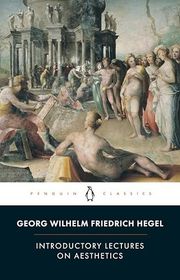
Introductory Lectures on Aesthetics
For readers who want an introduction to art’s place within a larger philosophy of history. Its focus on form and content frames later debates, but the systematic vocabulary and hierarchical account of cultures need critical attention.
What it's about
Hegel introduces his philosophy of fine art through questions about beauty, artistic form, and historical development. The lectures place artworks within a broader account of human self-understanding, exploring how changing cultural worlds affect art’s significance and possibilities.
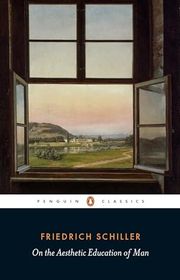
On the Aesthetic Education of Man
For readers interested in whether aesthetic experience can shape freedom and social life. The letters connect artistic questions with political disappointment, but the idealized account of human development and dense vocabulary require careful interpretation.
What it's about
In a series of letters, Schiller connects aesthetic experience with freedom, education, and the organization of society. Writing in the aftermath of revolutionary upheaval, he asks what role art might play in reconciling divided human capacities.
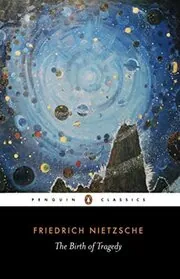
The Birth of Tragedy
For readers interested in tragedy, music, and competing forces within artistic culture. Its provocative account challenges a purely orderly picture of Greek art, but the speculative history and early attachment to Wagner need critical context.
What it's about
Nietzsche's first book argues that Greek tragedy grew from a tense union of Apollonian order and Dionysian frenzy. It is part study of ancient drama, part manifesto about art, suffering, and the spiritual health of a culture.

The Oxford Handbook of Aesthetics
For readers who want substantial essays on particular problems and art forms. The edited range supports selective research beyond an introduction, but chapters vary in difficulty and work better as reference material than a continuous first course.
What it's about
Edited by Jerrold Levinson, this handbook brings together essays on the history, theories, and problems of aesthetics. Contributors examine expression, fiction, aesthetic experience, individual art forms, and connections between philosophy of art and other fields of inquiry.
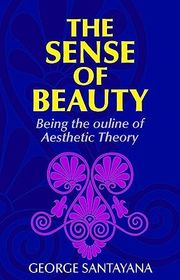
The Sense of Beauty
For readers who want beauty examined through perception, feeling, and the qualities of objects. Its connected argument offers more depth than a brief overview, but the psychological framework and prose reflect an earlier philosophical period.
What it's about
Santayana investigates the experience of beauty by considering perception, pleasure, form, and expression. The study asks how qualities of objects and capacities of observers come together in aesthetic judgment, connecting philosophical argument with examples from art and ordinary experience.
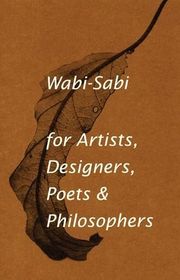
Wabi-Sabi for Artists, Designers, Poets & Philosophers
For readers interested in the aesthetic appeal of imperfection and changing materials. Its brief, visually attentive discussion gives practical designers a foothold in broader questions, but it is an interpretive introduction rather than a comprehensive cultural history.
What it's about
Koren introduces wabi-sabi through qualities associated with imperfection, impermanence, and incompleteness. The discussion connects material objects and environments with ways of noticing value, offering artists and designers an account of beauty that differs from polished permanence.
Sources
- 1
The Seven Best Introductory Books on Aesthetics
thedailyidea.org
- 2
Aesthetics Books
goodreads.com
- 3
100 Best Aesthetics Books of All Time
shortform.com
- 4
The best books on The Sublime
fivebooks.com
- 5
I'd like to specialize myself in aesthetics, what are the most important books that I should read?
reddit.com
- 6
The best books on The Philosophy of Art
fivebooks.com




Edited by
Software engineer whose passion for tracking book recommendations from podcasts inspired the creation of MRB.
Lead investor at 3one4 Capital whose startup expertise and love for books helped shape MRB and its growth.
Comments
Spotted a missing book, a wrong order or a mistake? Tell us and we'll fix this page.
We're a reading guide, not the author or publisher, so we can't send books or pass on messages.