
The Shade Trilogy Books in Order
Part ofSimon Hawke Books in OrderThis page shows The Shade Trilogy books by Simon Hawke in order, with short summaries, series background, and clear where-to-start help.
Last updated:
As an Amazon Associate, we earn from qualifying purchases (at no extra cost to you).
The Shade Trilogy books in publication order
3 books
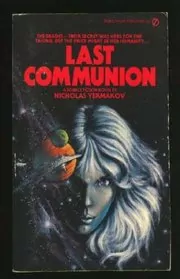
Last Communion
by Simon Hawke
1981
On the world of Boomerang, humans encounter the Shades, aliens with a terrifyingly intimate gift involving the minds of the dying. Hawke makes first contact feel uncanny, seductive, and morally dangerous.
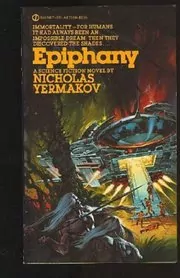
Epiphany
by Simon Hawke
1982
An expedition returns to Boomerang determined to understand the Shades and the secret humans think might mean immortality. Hawke turns first contact into a tense argument about curiosity, control, and what should never be used.
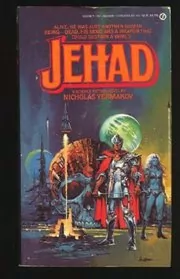
Jehad
by Simon Hawke
1984
The final Boomerang novel raises the stakes around the Shades and the human hunger for survival through them. What began as strange symbiosis turns into a harder conflict about power, identity, and exploitation.
The Shade Trilogy books in chronological order
Series background & context
The Shade Trilogy collects Hawke's early Boomerang novels, originally published under his birth name, Nicholas Yermakov: Last Communion, Epiphany, and Jehad. These books feel different from much of the later Simon Hawke work. The pace is still there, but the mood is stranger, heavier, and more interested in first contact as a moral problem rather than a simple adventure.
The key idea is memorable. On the planet Boomerang live the Shades, aliens with an extraordinary and dangerous ability tied to the minds of the dying. Human beings, being human, quickly begin to see possibility in that gift. Maybe even immortality. That is where the series gets its teeth. The question is never just what the Shades can do. It is what people will do to them once they decide that alien consciousness might be useful.
That makes the trilogy more unsettling than flashy.
As the story expands across the three books, the focus keeps circling identity, symbiosis, exploitation, and the arrogance of colonizing minds that assume every discovery is theirs to manage. Hawke does not write it like a dry philosophical exercise. There are expeditions, confrontations, pressure from institutions, and the escalating sense that curiosity has crossed into violation. But the ethical stress is always present.
Readers who know Hawke mainly from TimeWars or the wizard books may be surprised by how different the texture is here. These novels are still accessible, still built to be read quickly, but they feel more inward and more uneasy. In some ways they are a bridge between old-school first-contact science fiction and the rougher paperback energy Hawke would later bring to other series.
If you want to see what he was doing before the Simon Hawke name fully took over, this is one of the best places to look. The trilogy is early work, but it already shows his long-running fascination with altered selves, fragile boundaries, and people making terrible use of extraordinary things.








Edited by
Software engineer whose passion for tracking book recommendations from podcasts inspired the creation of MRB.
Lead investor at 3one4 Capital whose startup expertise and love for books helped shape MRB and its growth.
Comments
Did we miss something? Have feedback?
Help us improve this page by sharing your thoughts