
Wizard Books in Order
Part ofSimon Hawke Books in OrderThis page shows the Wizard books by Simon Hawke in order, with quick summaries, series background, and clear help on where to begin.
Last updated:
As an Amazon Associate, we earn from qualifying purchases (at no extra cost to you).
Wizard books in publication order
11 books
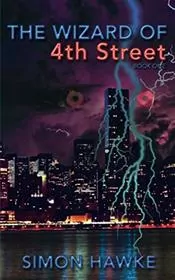
The Wizard of 4th Street
by Simon Hawke
1987
In a future where Merlin brought magic back to replace exhausted technology, a young wizard named Wyrdrune gets pulled into a fight against dark sorcery. It is brisk, funny, and full of big paperback energy.
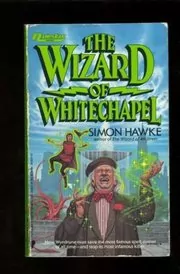
The Wizard of Whitechapel
by Simon Hawke
1988
Hawke takes the series to London and gives it a foggier, darker edge. The mix of street magic, old evil, and Whitechapel atmosphere makes this one feel especially close to horror.
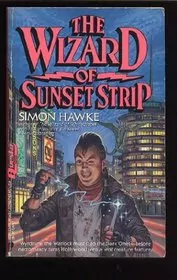
The Wizard of Sunset Strip
by Simon Hawke
1989
Los Angeles glamour does not make the magical threats any gentler. Hawke uses the Strip's glossy surface as a lively backdrop for another fast supernatural showdown.
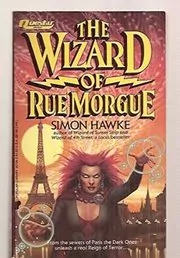
The Wizard of Rue Morgue
by Simon Hawke
1990
Paris gives Hawke a chance to mix urban fantasy with gothic mystery, and the title tells you exactly what mood he wants. The result is a quick supernatural adventure with literary echoes and real stakes.
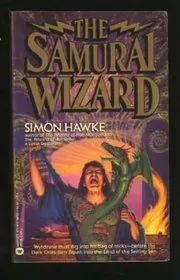
The Samurai Wizard
by Simon Hawke
1991
The magic-changed future reaches Japan in a book that blends urban fantasy with samurai imagery and cross-cultural myth. Hawke keeps the pace up while expanding the reach of Merlin's world.
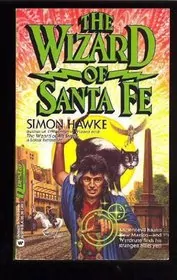
The Wizard of Santa Fe
by Simon Hawke
1991
Magic-era New Mexico gives the series a fresh landscape, but the mix of sorcery, danger, and quick banter stays familiar. Hawke uses the regional setting well and keeps the threat close to home.
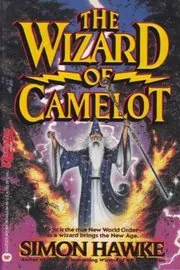
The Wizard of Camelot
by Simon Hawke
1993
Merlin's return changed the world, but old legends still carry real power. This installment sends Hawke's urban-fantasy heroes into an Arthurian-flavored conflict where myth and modern life collide again.
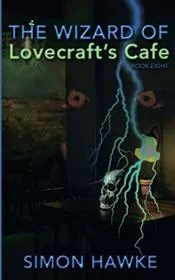
The Wizard of Lovecraft's Cafe
by Simon Hawke
1993
A strange cafe becomes the center of a new magical threat, and Hawke leans into the series' weirder side. It is urban fantasy with eldritch overtones, odd humor, and danger hiding behind everyday city life.
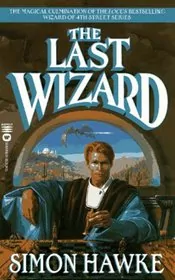
The Last Wizard
by Simon Hawke
1997
The Runestones' Avatars finally have real military backing, but the war against the Dark Ones is already slipping toward catastrophe. It is the big endgame book, with dragons, necromancy, and the fate of Hawke's magic-changed world on the line.

A Spell for the Dying
by Simon Hawke
2023
Hawke returns to the Wizard world for a later adventure, with old magical tensions rising again and death close at hand. It is a comeback novel, built to drop readers back into Merlin's changed future.
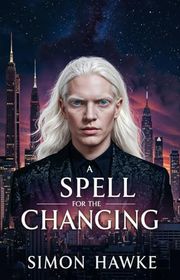
A Spell for the Changing
by Simon Hawke
2025
The Wizard sequence keeps going with another conflict in a world where magic reshaped everyday life. Hawke uses the return to revisit familiar characters, unstable power, and the cost of transformation.
Wizard books in chronological order
Series background & context
The Wizard books are Hawke's long-running future-fantasy series built around a simple but fertile change: technology has failed, Merlin has returned, and magic has taken its place as the world's working energy base. That gives the series a setting unlike standard secondary-world fantasy or present-day urban fantasy. The cities are still there, the old world still echoes in the background, but everything now runs on spells, magical craft, and the fragile order built after collapse.
That setup lets Hawke do a lot with a little. He can write a New York street-level magical thriller in The Wizard of 4th Street, then shift to London fog, Paris menace, Los Angeles flash, or Southwestern mysticism without breaking the series. The connective tissue is not just Merlin. It is the sense that civilization survived, but in a stranger form than anyone expected.
It is a fun world, but not a safe one.
Dark sorcery, necromancers, ancient enemies, and power struggles keep pressing in, and Hawke likes throwing his wizards into trouble before they fully understand it. The books are usually built around a fresh supernatural crisis, but they also carry a larger conflict in the background, especially once the Dark Ones and the deeper magical war come forward. That helps the later books feel bigger without losing the fast, episodic pull that makes the early novels so easy to tear through.
Readers tend to remember the premise first, and for good reason. Merlin turning magic into the planet's replacement infrastructure is the kind of idea that opens doors immediately. But the series lasts because Hawke writes it with pace and affection. He likes odd corners, literary references, scrappy heroes, and magical systems that feel useful as well as mysterious.
If you are browsing this page, the easiest advice is also the best advice: start with The Wizard of 4th Street. The books are strongest when you can see the world unfold from the first shock of the premise onward.



Edited by
Software engineer whose passion for tracking book recommendations from podcasts inspired the creation of MRB.
Lead investor at 3one4 Capital whose startup expertise and love for books helped shape MRB and its growth.
Comments
Did we miss something? Have feedback?
Help us improve this page by sharing your thoughts