
TimeWars Books in Order
Part ofSimon Hawke Books in OrderThis page shows the TimeWars books by Simon Hawke in order, with quick summaries, series background, and simple advice on where to begin.
Last updated:
As an Amazon Associate, we earn from qualifying purchases (at no extra cost to you).
TimeWars books in publication order
12 books
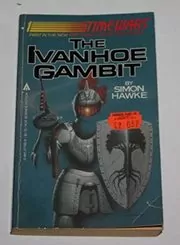
The Ivanhoe Gambit
by Simon Hawke
1984
A rogue time traveler threatens the past, and Lucas Priest's team is sent into the worlds of Ivanhoe and Robin Hood to stop him. Hawke's whole series clicks right away, mixing time-commandos with literary adventure.
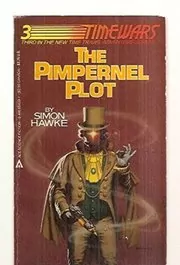
The Pimpernel Plot
by Simon Hawke
1984
The French Revolution becomes another battlefield for Hawke's temporal operatives, with disguises, double games, and the Scarlet Pimpernel in the mix. It is fast, playful, and high-risk in the best TimeWars way.
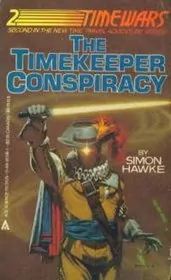
The Timekeeper Conspiracy
by Simon Hawke
1984
A new mission drops the time soldiers into a musketeers-era web of plots, shifting loyalties, and historical danger. Hawke keeps the swashbuckling front and center while the timeline wobbles underneath it.
The Nautilus Sanction
by Simon Hawke
1985
Captain Nemo's world becomes the backdrop for another time-travel emergency, with undersea menace and geopolitical consequences. Hawke uses the Jules Verne flavor well and keeps the mission moving.
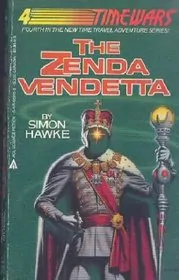
The Zenda Vendetta
by Simon Hawke
1985
The TimeWars soldiers land in the world of The Prisoner of Zenda, where doubles, crowns, and timing matter. Hawke gets a lot of mileage out of the swashbuckling setup and the risk of history going badly off course.
The Khyber Connection
by Simon Hawke
1986
Hawke sends the TimeWars crew into the danger zone of imperial frontier politics, where the wrong interference could ripple far beyond one mission. It is part spy caper, part historical action run.
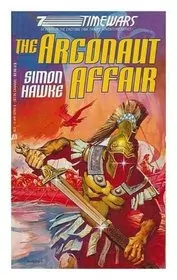
The Argonaut Affair
by Simon Hawke
1987
The TimeWars formula meets ancient myth as Hawke drops his operatives into a story shaped by Jason and the Argonauts. Adventure comes first, but the timeline stakes never quite leave the room.
The Dracula Caper
by Simon Hawke
1988
Time travel meets vampire legend in a book that lets Hawke play with gothic horror inside his action-heavy series formula. It is brisk, pulpy, and built around the fun of history refusing to stay safely finished.
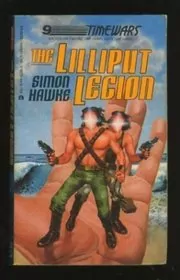
The Lilliput Legion
by Simon Hawke
1989
Tiny kingdoms, giant problems, and timeline damage make this one of the series' most playful literary mashups. Hawke drops his time soldiers into a Swift-inspired mess and lets the absurdity stay dangerous.
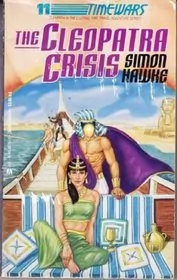
The Cleopatra Crisis
by Simon Hawke
1990
Ancient power politics and time-travel interference make a volatile mix in one of the later TimeWars books. Hawke sends his people into a setting where one wrong move could change far more than a single reign.
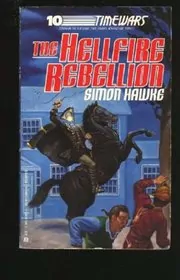
The Hellfire Rebellion
by Simon Hawke
1990
The TimeWars team lands inside another historical-literary pressure cooker, where secret agendas can do real damage to the timeline. Hawke keeps the fun in watching trained operatives improvise while history starts slipping.
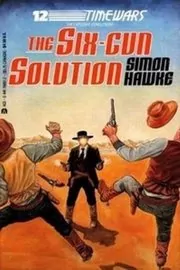
The Six-Gun Solution
by Simon Hawke
1991
Hawke sends his time soldiers into a Western-flavored crisis where history, legend, and gunfighter danger all mix together. By this point the series knows how to move, and it barely slows down.
TimeWars books in chronological order
Series background & context
TimeWars is probably the Simon Hawke series people think of first, and it is easy to see why. The premise is pure paperback propulsion. In the 27th century, history can be damaged by time travel, and an elite military force has to go back and fix the breaks before reality splits beyond repair. That would already be enough for a series. Hawke adds the extra twist that many events and characters we think of as fictional are, in this universe, historical enough to matter.
So the books do not just visit the past. They crash into literature. The Ivanhoe Gambit folds time-commandos into the worlds of Ivanhoe and Robin Hood. The Timekeeper Conspiracy plays with musketeers. The Pimpernel Plot, The Zenda Vendetta, The Nautilus Sanction, The Dracula Caper, The Lilliput Legion, and the rest keep expanding the game. Hawke clearly enjoys the chance to treat famous stories as unstable historical zones where one wrong move can ripple outward.
That is the hook, but the series works because it moves.
The heroes are soldiers and operatives first, not tourists. Missions go bad. Referees go rogue. Roles have to be assumed on the fly. People get trapped inside the stories they were sent to stabilize. Hawke writes these books with a practical sense of momentum, so even when the premise gets wild, the scene-by-scene goal stays clear. Who is changing the timeline? What has to be protected? How long before the damage becomes permanent?
There is also a nice tonal balance. The books never pretend to be solemn meditations on temporality, but they are not empty either. Hawke gets real tension out of the idea that history is both fragile and already crowded with narratives people desperately want to control.
If you like time travel that behaves more like a military adventure than a puzzle box, this series is an easy recommendation. Start with The Ivanhoe Gambit and read in order. The whole pleasure is watching how many different ways Hawke can throw his people into the past and still keep the engine running.




Edited by
Software engineer whose passion for tracking book recommendations from podcasts inspired the creation of MRB.
Lead investor at 3one4 Capital whose startup expertise and love for books helped shape MRB and its growth.
Comments
Did we miss something? Have feedback?
Help us improve this page by sharing your thoughts