
Paul Auster Books in Order
Discover Paul Auster books in order, with short summaries, series notes, and simple tips on where to start with his novels, memoirs, and collaborations.
Last updated:
As an Amazon Associate, we earn from qualifying purchases (at no extra cost to you).
Paul Auster books in publication order
46 books
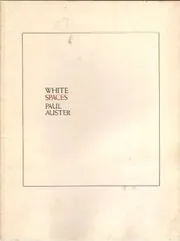
White Spaces
by Paul Auster
1980
This early collection gathers poems and prose from Auster's small-press years. It shows him working through voice, silence, the body, and space before the novels made him widely known.
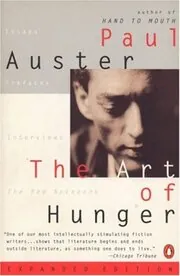
The Art of Hunger
by Paul Auster
1983
Auster reflects on writing, translation, and the artists who mattered to him, from Kafka and Beckett to Celan and Hamsun. The essays are clear, searching, and full of clues to how his fiction thinks.

The Notebooks of Joseph Joubert
by Paul Auster
1983
Edited and translated by Auster, this selection introduces Joseph Joubert through brief notebook entries and aphorisms. It is a book of fragments that rewards slow reading and careful attention.
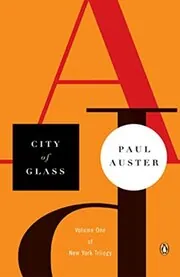
City of Glass
by Paul Auster
1985
Detective novelist Daniel Quinn answers a wrong number and steps into a case meant for someone else. What begins as surveillance in New York slowly becomes a breakdown of identity, authorship, and reality itself.
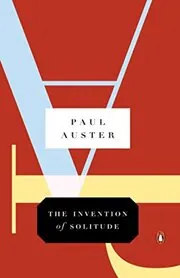
The Invention of Solitude
by Paul Auster
1985
Written after his father's death, this memoir is both a family portrait and a meditation on memory and writing. It is intimate, searching, and one of the clearest guides to the concerns that shaped Auster's later work.
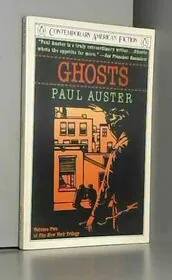
Ghosts
by Paul Auster
1986
Blue is hired by White to watch a man named Black, and the job seems almost empty at first. The longer the stakeout goes on, the stranger and more intimate it becomes.
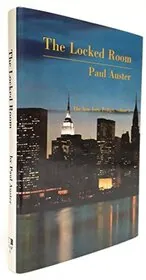
The Locked Room
by Paul Auster
1986
An unnamed narrator is asked to deal with the manuscripts left behind by his vanished childhood friend, Fanshawe. The task turns into an obsession with absence, authorship, and the dangerous pull of another man's life.
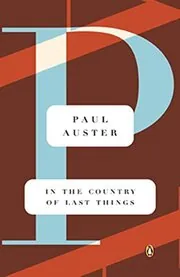
In the Country of Last Things
by Paul Auster
1987
Anna Blume enters a ruined unnamed city to look for her missing brother and ends up scavenging to stay alive. This bleak, gripping dystopian novel turns survival itself into the central mystery.
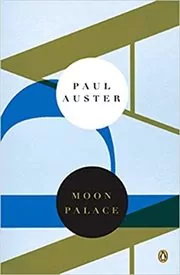
Moon Palace
by Paul Auster
1989
Orphaned Marco Stanley Fogg drifts through New York and out toward the American West in search of family, love, and the truth about his past. It is a quest novel full of hunger, luck, and reinvention.
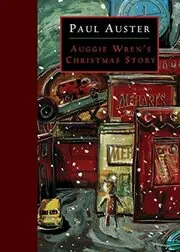
Auggie Wren's Christmas Story
by Paul Auster
1990
A writer desperate for a Christmas story gets one from Auggie Wren, the cigar-store philosopher who swears every word is true. It is warm, sly, and quietly interested in the line between honesty and invention.

Blue in the Face
by Paul Auster
1990
Spun off from Smoke, this screenplay captures a loose, improvised Brooklyn comedy built around Auggie Wren's cigar shop. The pleasure is in the neighborhood voices, offbeat cameos, and everyday street-corner energy.

The Music of Chance
by Paul Auster
1990
Jim Nashe and young gambler Jack Pozzi take a reckless chance in a poker game with two rich eccentrics and lose more than money. What follows is a tight, unnerving novel about debt, freedom, and absurd punishment.
Leviathan
by Paul Auster
1992
When Benjamin Sachs blows himself up by the side of a road, his friend Peter Aaron tries to tell the story before others do it for him. The result is a tense novel about friendship, betrayal, and violence entering ordinary life.
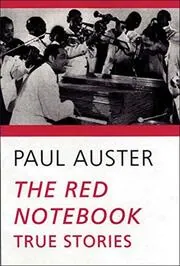
The Red Notebook
by Paul Auster
1993
This small collection gathers brief true stories and essays built from coincidences, accidents, and inexplicable turns. It feels like a pocket map of the strange events that kept feeding Auster's imagination.
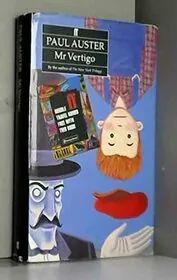
Mr. Vertigo
by Paul Auster
1994
Street kid Walter Rawley is taken in by the mysterious Master Yehudi, who promises to teach him how to fly. What follows is a strange American tall tale about showmanship, suffering, and the cost of wonder.

Smoke
by Paul Auster
1995
This screenplay brings together a Brooklyn novelist, cigar-store owner Auggie Wren, and a troubled teenager whose lives cross by chance. Warm, melancholy, and sharply observed, it is one of Auster's clearest stories about accident and connection.
Why Write?
by Paul Auster
1996
In this short autobiographical piece, Auster circles the question of why he became a writer at all. Childhood memory, family anecdote, and the pull of language come together in a compact statement of vocation.
Hand to Mouth
by Paul Auster
1997
Auster looks back on his early years as a broke writer, moving from odd job to odd job while refusing to give up. It is funny, anxious, and very good on the daily grind behind literary ambition.
Paul Auster's New York
by Paul Auster
1997
This compact literary portrait traces the links between Auster and New York, moving through streets, neighborhoods, books, and film locations. It is a useful companion for readers who want to see how the city shaped the work.
Translations
by Paul Auster
1997
This volume gathers Auster's translations and edited selections from French writers such as Joseph Joubert, Stéphane Mallarmé, and André du Bouchet. It shows the side of his career built on close reading, precision, and literary exchange.

Dream Days in Hotel
by Paul Auster
1998
A slim, unusual Auster volume that moves through dreams, hotel rooms, and fleeting perceptions in brief prose pieces. It has the feel of notes caught in motion, where memory and invention keep blurring together.

Lulu on the Bridge
by Paul Auster
1998
Jazz musician Izzy Maurer survives a shooting and is drawn into a strange love story shaped by a glowing stone and a run of uncanny events. This screenplay blends romance, mystery, and Auster's usual questions about fate.

Sophie Calle
by Paul Auster
1999
This collaborative volume brings Sophie Calle's art into conversation with Auster's fiction, especially the character in Leviathan inspired by her. It becomes a playful, unsettling exchange about performance, identity, and the blur between fact and invention.
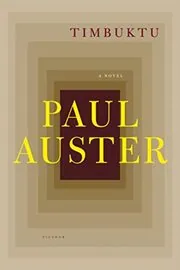
Timbuktu
by Paul Auster
1999
Told largely through the eyes of Mr. Bones, a dog devoted to the wandering poet Willy G. Christmas, this novel is funny, sad, and deeply tender. It asks what loyalty means when the person you love is slipping away.

The Inner Life of Martin Frost
by Paul Auster
2000
Writer Martin Frost retreats to a country house and wakes to find a mysterious young woman in his bed. Their intense affair turns into a quiet, eerie story about imagination, desire, and the cost of creation.
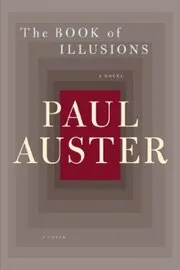
The Book of Illusions
by Paul Auster
2002
After losing his wife and sons, professor David Zimmer becomes obsessed with the vanished silent-film comedian Hector Mann. That obsession draws him into a shadowy story of grief, cinema, secrecy, and second chances.
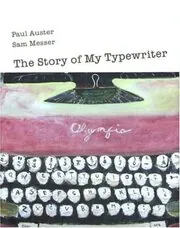
The Story of My Typewriter
by Paul Auster
2002
In this short collaboration with artist Sam Messer, Auster tells the story of his beloved manual Olympia typewriter. It becomes a funny, affectionate meditation on tools, routine, and the stubborn material side of writing.
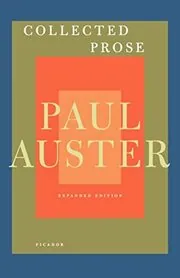
Collected Prose
by Paul Auster
2003
This large nonfiction collection brings together essays, prefaces, autobiographical pieces, collaborations, and interviews from across Auster's career. It ranges widely, but the recurring subjects are art, chance, New York, and the writing life.
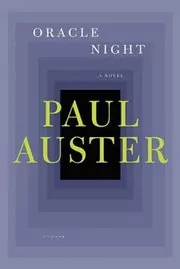
Oracle Night
by Paul Auster
2004
Recovering writer Sidney Orr buys a blue notebook and begins a story that seems to spill into his own life. Over nine unsettling days, chance events and buried fears start to threaten his marriage and sense of reality.
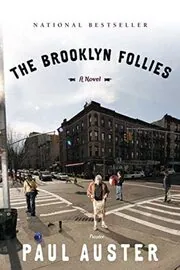
The Brooklyn Follies
by Paul Auster
2005
Nathan Glass comes to Brooklyn expecting to die quietly, but family, friendship, and one eccentric bookstore pull him back into life. It is one of Auster's warmest novels, full of mess, luck, and human rescue.
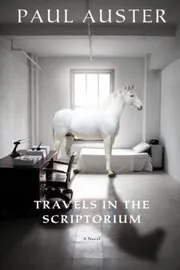
Travels in the Scriptorium
by Paul Auster
2005
An old man wakes in a locked room with no clear memory of who he is or why he is there. As manuscripts, photographs, and visitors pile up, the novel becomes a tense puzzle about guilt, identity, and captivity.
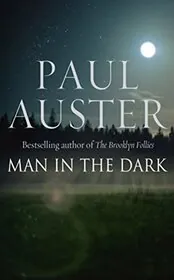
Man in the Dark
by Paul Auster
2008
Insomniac August Brill lies awake inventing a parallel America at war with itself while grief closes in around his family. It is a small, dark novel about storytelling, violence, and the fragile comforts of home.
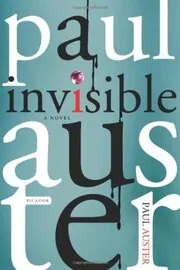
Invisible
by Paul Auster
2009
In 1967, student and aspiring poet Adam Walker meets a strange French couple, and one violent moment changes the course of his life. Told by several voices across decades and continents, it is sharp, restless, and morally charged.

Collected Screenplays
by Paul Auster
2010
This volume gathers Auster's film scripts, bringing together the screenplays for Smoke, Blue in the Face, and Lulu on the Bridge. It is the best place to see how his literary obsessions changed shape on screen.
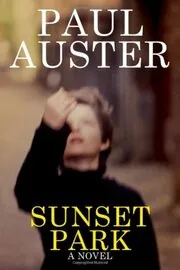
Sunset Park
by Paul Auster
2010
Miles Heller returns to New York during the 2008 economic collapse and ends up among squatters in a house in Sunset Park. The novel threads together guilt, family strain, and the precarious lives of people trying to start over.
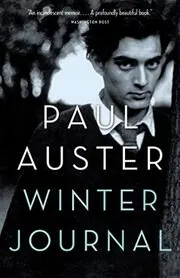
Winter Journal
by Paul Auster
2012
Auster writes a history of his body, moving through pain, pleasure, aging, memory, and his mother's death. The second-person voice gives the memoir an unusual intimacy and a quietly haunted rhythm.
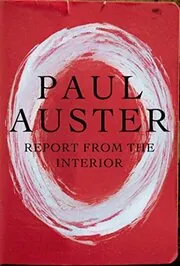
Report from the Interior
by Paul Auster
2013
This memoir turns inward to trace Auster's early consciousness, from childhood wonder to political awakening. Movies, baseball, first poems, and family scenes all help map the making of a mind.
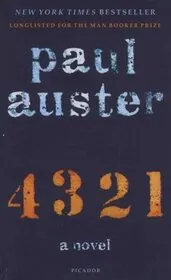
4 3 2 1
by Paul Auster
2017
Archie Ferguson lives four different versions of one life, each shaped by small turns of chance. Ambitious and surprisingly intimate, the novel uses those parallel paths to ask what makes a self.
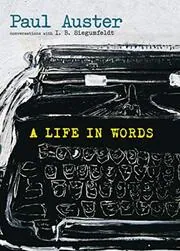
A Life in Words
by Paul Auster
2017
Drawn from long conversations with I. B. Siegumfeldt, this book lets Auster talk through his novels, methods, obsessions, and biography. It is one of the clearest windows into how he thought about writing.
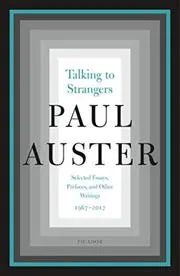
Talking to Strangers
by Paul Auster
2019
This wide-ranging nonfiction collection moves from literary essays to political pieces, with stops in New York streets, film, art, and sport. It shows Auster as a curious, personal, and often argumentative essayist.
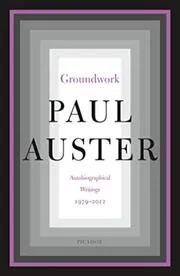
Groundwork
by Paul Auster
2020
Auster's self-curated nonfiction gathers autobiographical writings from 1979 to 2012, including work from The Invention of Solitude, Winter Journal, and Report from the Interior. Together they trace how he kept turning memory into form.
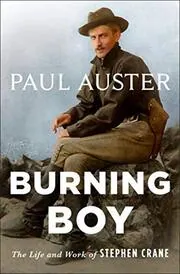
Burning Boy
by Paul Auster
2021
This large-scale biography follows Stephen Crane's brief, intense life through journalism, fiction, scandal, war, and illness. Auster writes it with the urgency of one working writer trying to understand another.
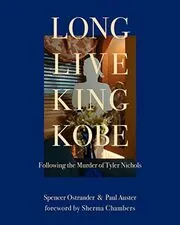
Long Live King Kobe
by Paul Auster
2022
Created with Spencer Ostrander and the Nichols and Chambers family, this documentary-style book follows the grief and aftermath after Tyler Kobe Nichols's murder. It is intimate, raw, and rooted in memory, photographs, and community response.

Baumgartner
by Paul Auster
2023
Sy Baumgartner, a seventy-one-year-old philosophy professor, is still living in the shadow of his wife Anna's death. The novel moves through grief, memory, marriage, and aging with unusual warmth and clarity.

Bloodbath Nation
by Paul Auster
2023
Part essay, part visual record, this collaboration with photographer Spencer Ostrander confronts the long history of gun violence in the United States. Auster mixes personal memory, public grief, and hard questions about the country.
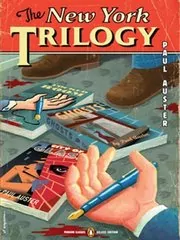
The New York Trilogy
by Paul Auster
This volume collects City of Glass, Ghosts, and The Locked Room, three interconnected detective novels set in New York. Investigations become searches for identity as names, observers, and subjects blur and the apparent mysteries resist conventional answers.
Where to start with Paul Auster
If you want the classic Paul Auster: City of Glass → Ghosts → The Locked Room
If you want his most inviting stand-alone novels: Moon Palace → The Music of Chance → Leviathan
If you want later, more emotional Auster: The Book of Illusions → The Brooklyn Follies → 4 3 2 1
If you want memoir and nonfiction: The Invention of Solitude → Hand to Mouth → Winter Journal → Report from the Interior
Paul Auster sub-series and character series
Paul Auster collections, short stories, and related book types
Plays
Non-Fiction
Standalone Paul Auster books
Author bio
Paul Auster was born in Newark, New Jersey, on February 3, 1947, and grew up in South Orange and nearby Maplewood. Those New Jersey beginnings stayed with him even after readers came to link his name with Brooklyn streets, chance encounters, and lives that seem to split in two.
He knew early that he wanted to write. At Columbia University he studied English and comparative literature, finished his undergraduate degree in 1969 and a master's degree in 1970, and then went to Paris. There he supported himself with odd jobs and translation work, especially French poetry and prose, while trying to build a life around writing.
He started as a poet, not a novelist.
The turn toward prose came after a rough period in his life, including the death of his father. Out of that came The Invention of Solitude, the 1982 memoir that put grief, fatherhood, and memory at the center of his work. A few years later, City of Glass, followed by Ghosts and The Locked Room, became The New York Trilogy and brought him the wider readership that stayed with him for the rest of his career.
Auster kept changing shape. Books like Moon Palace, The Music of Chance, and Leviathan read like stories about missing people, false starts, and bad luck, but they are also about how identity gets made and remade. Readers often come to him for the puzzles, then stay for the lonely men and women trying to make sense of ordinary life after it suddenly tilts sideways.
He loved the weirdness of coincidence, but he wrote it in a plainspoken way.
Later novels such as The Book of Illusions, The Brooklyn Follies, Invisible, and 4 3 2 1 widened his range even more. He could write a grief-struck professor chasing a vanished silent-film star, a late-in-life Brooklyn story full of second chances, or four versions of the same American life, and all of it still felt recognizably his. He also kept returning to memoir in books like Hand to Mouth, Winter Journal, and Report from the Interior.
Film mattered too. Auster wrote the screenplay for Smoke, shared directing duties on Blue in the Face, and later wrote and directed Lulu on the Bridge and The Inner Life of Martin Frost. Even on screen, his favorite territory was the same: strangers meeting by accident, stories inside stories, and the feeling that one small choice can open a completely different life.
His personal life and literary life often overlapped. He was first married to writer Lydia Davis, and they had a son, Daniel. In 1982 he married novelist Siri Hustvedt, and they had a daughter, Sophie Auster. He lived for decades in Brooklyn, which became both home and one of the key landscapes of his fiction.
By the end of his career, his books had been translated into more than forty languages, 4 3 2 1 had been shortlisted for the Booker Prize, and Burning Boy, his large life of Stephen Crane, showed how deeply he cared about writers who gambled everything on the work. He died in Brooklyn on April 30, 2024. The books are full of locked rooms, double lives, and disappearing acts, but they also keep circling back to something simple: how people go on living after chance, loss, or love changes the story.



Edited by
Software engineer whose passion for tracking book recommendations from podcasts inspired the creation of MRB.
Lead investor at 3one4 Capital whose startup expertise and love for books helped shape MRB and its growth.
Comments
Did we miss something? Have feedback?
Help us improve this page by sharing your thoughts