
Scenes from Provincial Life Books in Order
Part ofJM Coetzee Books in OrderSee the Scenes from Provincial Life books by JM Coetzee in order, with short summaries, trilogy background, and an easy guide to where to start.
Last updated:
As an Amazon Associate, we earn from qualifying purchases (at no extra cost to you).
Scenes from Provincial Life books in publication order
4 books
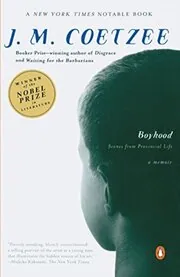
Boyhood
by JM Coetzee
1997
Told in the third person, this memoir-novel returns to Coetzee's childhood in Cape Town and Worcester. It captures family tension, school cruelty, and the sharp unease of growing up white in apartheid South Africa.
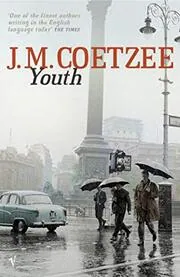
Youth
by JM Coetzee
2002
This second memoir follows a young John Coetzee to London, where he works as a programmer and dreams of becoming an artist. It is awkward, funny, and painfully honest about ambition, loneliness, and self-invention.
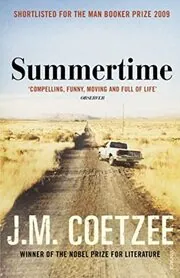
Summertime
by JM Coetzee
2009
A young biographer interviews people who knew the supposedly dead John Coetzee, piecing together a version of his life in 1970s South Africa. The result is sly, self-questioning, and never quite settles into memoir or novel.

Scenes from Provincial Life
by JM Coetzee
2011
This single volume gathers Boyhood, Youth, and Summertime, Coetzee's autobiographical trilogy. Together they trace childhood, early adulthood, and literary self-making while constantly questioning how a life can be told.
Scenes from Provincial Life books in chronological order
Series background & context
Scenes from Provincial Life brings together Coetzee's three autobiographical fictions, Boyhood, Youth, and Summertime. Read together, they trace a life from childhood in South Africa to uneasy young adulthood in London and back to a later, more fractured reckoning with the self.
But this is not a straight memoir.
In Boyhood, the central figure is a child moving between Cape Town and Worcester, trying to understand family, school, class, race, and the uneasy place he occupies in apartheid South Africa. Youth follows the same figure into early adulthood, when he leaves for London, works as a programmer, and dreams of becoming an artist. Then Summertime breaks the pattern on purpose, presenting a version of John Coetzee through interviews and notebook fragments gathered by a biographer after his supposed death.
That changing form is what makes the trilogy so interesting. Coetzee keeps the material close to his own life, but he never treats memory as something simple or pure. He often writes about himself in the third person, which creates a cool, almost clinical distance. You are inside the life, but also watching it being arranged, judged, and doubted.
The books are full of ordinary pressures rather than big plot machinery. A difficult parent. Social embarrassment. Failed love. Literary ambition. The feeling of being out of step with everyone around you. Because the prose is so controlled, those moments land hard. What looks quiet on the surface is usually carrying a lot of shame, longing, and self-scrutiny underneath.
Place matters here too. Cape Town and Worcester are not just childhood scenery, and London is not just a stage for youthful struggle. Each setting shapes the way the narrator thinks about language, class, race, and escape. The trilogy also shows how becoming a writer is tied up with leaving home, looking back, and never quite trusting the version of yourself you put on the page.
These books are serious, but they are not sealed shut. They are often funny in a dry way, and they are much more emotionally exposed than Coetzee's reputation sometimes suggests. If you are deciding where to start, reading them in order is the best move. The cumulative effect is powerful: not a heroic life story, but a searching account of how a self gets made, revised, and told.






%20-%20Coming%20Home%20-%20Life%20is%20Strange%2C%20Book%2017.jpg)
%20-%20Coming%20Home%20-%20Life%20is%20Strange%2C%20Book%2018.jpg)
%20-%20Partners%20In%20Time%20Tracks%20Season%20-%20Life%20is%20Strange%2C%20Book%2016.jpg)
Edited by
Software engineer whose passion for tracking book recommendations from podcasts inspired the creation of MRB.
Lead investor at 3one4 Capital whose startup expertise and love for books helped shape MRB and its growth.
Comments
Did we miss something? Have feedback?
Help us improve this page by sharing your thoughts