
Jesus Trilogy Books in Order
Part ofJM Coetzee Books in OrderFind the Jesus Trilogy by JM Coetzee in order, with quick summaries, series background, and a simple guide to where to start with David and Simón.
Last updated:
As an Amazon Associate, we earn from qualifying purchases (at no extra cost to you).
Jesus Trilogy books in publication order
3 books
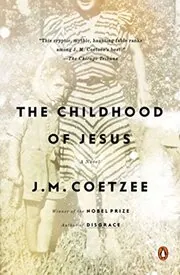
The Childhood of Jesus
by JM Coetzee
2013
A man named Simón and a young boy, David, arrive in the town of Novilla with no past and only a faint sense of purpose. Their search for David's mother opens into a spare, unsettling fable about belonging and meaning.
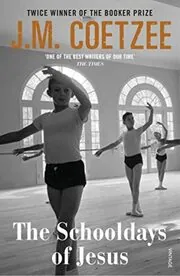
The Schooldays of Jesus
by JM Coetzee
2016
Simón, Inés, and David leave Novilla for Estrella, where David enters an unusual dance academy and resists every ordinary lesson. The novel is dreamlike and tense, asking what education, authority, and love really mean.
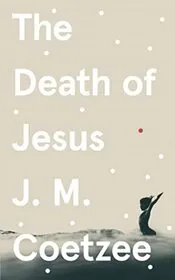
The Death of Jesus
by JM Coetzee
2019
In the final Jesus novel, David is now ten and living with Simón and Inés in Estrella. His strange intensity unsettles everyone around him, as Coetzee turns family life, schooling, and belief into a quiet, haunting crisis.
Jesus Trilogy books in chronological order
Series background & context
At first glance, the Jesus Trilogy looks simple. A man named Simón arrives by sea in the city of Novilla with a small boy, David, who may or may not be his son. They have no usable past, speak a stiff beginner's Spanish, and must build a life from almost nothing.
That blankness is the point.
Across The Childhood of Jesus, The Schooldays of Jesus, and The Death of Jesus, Coetzee follows Simón, David, and the woman Simón chooses as David's mother, Inés, through a world that feels ordinary on the surface and strange underneath. There are docks, apartments, schools, jobs, errands, meals. But memory has been thinned out, desire is oddly muted, and almost every everyday rule has to be argued over from first principles.
David is the force that keeps the books alive. He is bright, difficult, loving, exasperating, and completely resistant to the tidy explanations adults keep offering him. Simón tries to be practical, patient, and decent, but he is also baffled almost all the time. Inés loves David with fierce certainty, even when she cannot quite reach him. Their makeshift family gives the trilogy its emotional core.
The setting matters a lot. Novilla, and later Estrella, are not richly detailed fantasy realms. They are pared-back places, almost like thought experiments, where questions about belonging, authority, education, and belief can be staged in clear light. When David goes to school, when he challenges arithmetic, when he is drawn toward dance and people who claim to understand him, the stakes feel both domestic and philosophical.
These are quiet books, but not sleepy ones.
The tension comes less from twists than from pressure. How do you raise a child who refuses the world's terms? What do adults owe a child they cannot explain? What counts as reason, and what happens when reason stops being enough? Coetzee keeps bringing the story back to classrooms, conversations, and small acts of care, then lets those scenes open into much bigger questions.
If you're wondering about tone, think spare, dreamlike, and a little unsettling. There is humor here, especially in the gap between David's logic and everybody else's, but the trilogy never turns cozy. It reads best in order, because each book deepens the same family bond and the same atmosphere of mystery. By the end, the series feels less like a puzzle to solve and more like a sustained encounter with a child who changes every life around him.







Edited by
Software engineer whose passion for tracking book recommendations from podcasts inspired the creation of MRB.
Lead investor at 3one4 Capital whose startup expertise and love for books helped shape MRB and its growth.
Comments
Did we miss something? Have feedback?
Help us improve this page by sharing your thoughts