
JM Coetzee Books in Order
Explore the J.M. Coetzee and Paul Auster books on this page, with summaries, background, reading order, and a quick guide to where to start.
Last updated: 4 new books added
As an Amazon Associate, we earn from qualifying purchases (at no extra cost to you).
JM Coetzee books in publication order
32 books
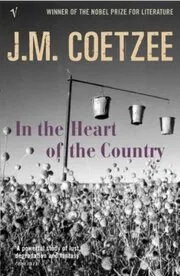
In the Heart of the Country
by JM Coetzee
1976
On a lonely farm in the Karoo, Magda tells and retells the story of life with her father and their servants. The fractured voice and numbered scenes create a claustrophobic novel about desire, isolation, and power.
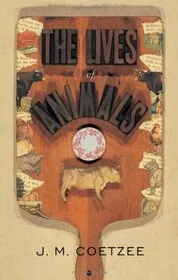
The Lives of Animals
by JM Coetzee
1977
Using the novelist Elizabeth Costello as his speaker, Coetzee turns two lectures on animal cruelty into a work of fiction. The book is brief, provocative, and built to keep moral questions alive rather than neatly settle them.
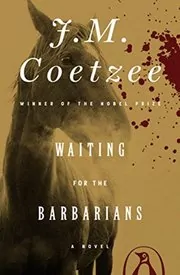
Waiting for the Barbarians
by JM Coetzee
1980
At a remote frontier outpost, a magistrate watches the Empire turn rumor into cruelty when officials arrive to hunt an unseen enemy. The novel is both political fable and moral nightmare, tense from the first page.
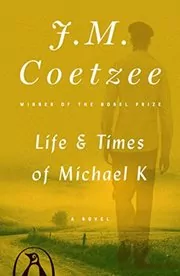
Life and Times of Michael K
by JM Coetzee
1983
Michael K, a quiet gardener with a cleft lip, tries to carry his dying mother from Cape Town to her birthplace as civil war spreads. His stripped-down journey becomes a powerful story about freedom, survival, and refusing the world's demands.
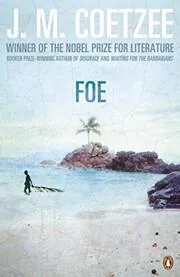
Foe
by JM Coetzee
1986
Susan Barton survives an island ordeal with Cruso and Friday, then fights to have her story told back in England. Coetzee turns Robinson Crusoe inside out, making silence, authorship, and power the real adventure.
White Writing
by JM Coetzee
1988
These essays study how white South African writers imagined land, history, and belonging. Coetzee reads travel writing, fiction, and pastoral myth to show how literature can reveal the anxieties behind settlement.
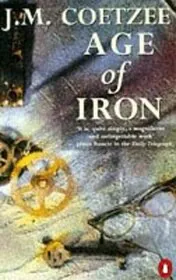
Age of Iron
by JM Coetzee
1990
As apartheid violence intensifies in Cape Town, the dying Mrs. Curren writes a long letter to her daughter abroad. Her illness, her reluctant bond with the drifter Vercueil, and the country's brutality press together with painful force.
Doubling the Point
by JM Coetzee
1992
Part essays, part interviews with David Attwell, this book opens up Coetzee's thinking about language, censorship, autobiography, and South African writing. It is one of the clearest ways into the ideas behind his fiction.
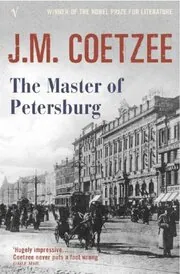
The Master of Petersburg
by JM Coetzee
1994
Coetzee imagines Fyodor Dostoevsky arriving in St. Petersburg after the death of his stepson. Grief, conspiracy, and the city's political fever close in, turning the novel into a dark study of mourning and invention.
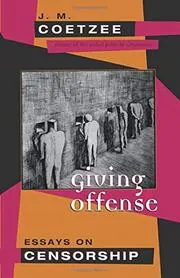
Giving Offense
by JM Coetzee
1996
In these essays on censorship, Coetzee examines how states, churches, and moral gatekeepers try to control literature. He looks at the pressure placed on writers and the strange, fearful logic that drives the censor.
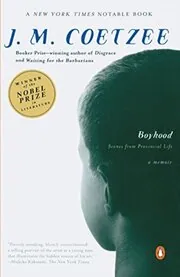
Boyhood
by JM Coetzee
1997
Told in the third person, this memoir-novel returns to Coetzee's childhood in Cape Town and Worcester. It captures family tension, school cruelty, and the sharp unease of growing up white in apartheid South Africa.
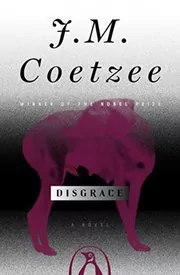
Disgrace
by JM Coetzee
1999
After an affair with a student destroys his position, Cape Town professor David Lurie retreats to his daughter Lucy's farm in the Eastern Cape. What follows is a harsh, intimate reckoning with power, violence, and life after old certainties fail.
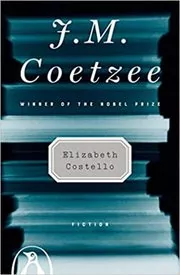
Elizabeth Costello
by JM Coetzee
2001
Elizabeth Costello, an aging Australian novelist, travels the world giving talks on animals, belief, evil, and writing itself. The book moves like a novel and a set of arguments at once, with Coetzee keeping every certainty slightly off balance.
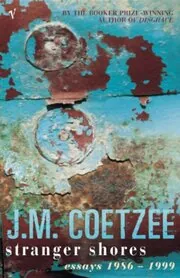
Stranger Shores
by JM Coetzee
2001
This collection brings together Coetzee's literary essays from the late 1980s and 1990s. Reading figures from Defoe to Gordimer, he is exacting, curious, and often quietly revealing about his own art.
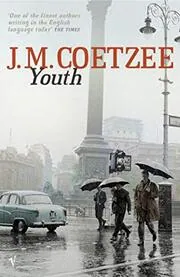
Youth
by JM Coetzee
2002
This second memoir follows a young John Coetzee to London, where he works as a programmer and dreams of becoming an artist. It is awkward, funny, and painfully honest about ambition, loneliness, and self-invention.
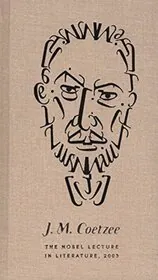
The Nobel Lecture in Literature, 2003
by JM Coetzee
2003
Coetzee's Nobel lecture, He and His Man, turns a formal speech into a piece of fiction. Drawing on Robinson Crusoe and Daniel Defoe, it becomes a brief meditation on authorship, voice, and who gets to tell a story.
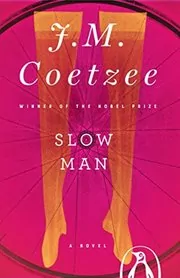
Slow Man
by JM Coetzee
2005
After a bicycle accident leaves him an amputee, Paul Rayment finds his life shrinking and then turning strange. His attachment to his nurse's family, and the arrival of Elizabeth Costello, push the novel into unexpected moral and metafictional territory.
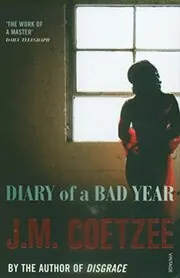
Diary of a Bad Year
by JM Coetzee
2007
An aging South African writer in Australia hires his young neighbor Anya to type a set of political essays. As their relationship deepens, the book splits into essays, diary entries, and private counterpoints that keep challenging one another.
Inner Workings
by JM Coetzee
2007
These literary essays from 2000 to 2005 follow Coetzee reading other writers with unusual care and exactness. The book ranges widely, but the through line is his interest in style, conscience, and the demands literature makes.
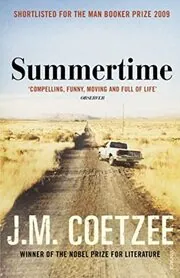
Summertime
by JM Coetzee
2009
A young biographer interviews people who knew the supposedly dead John Coetzee, piecing together a version of his life in 1970s South Africa. The result is sly, self-questioning, and never quite settles into memoir or novel.
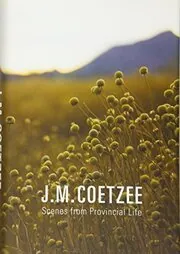
Scenes from Provincial Life
by JM Coetzee
2011
This single volume gathers Boyhood, Youth, and Summertime, Coetzee's autobiographical trilogy. Together they trace childhood, early adulthood, and literary self-making while constantly questioning how a life can be told.
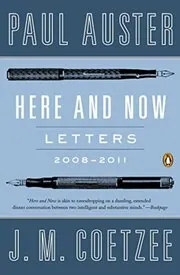
Here and Now
by JM Coetzee
2012
Drawn from letters exchanged between Paul Auster and J. M. Coetzee, this book turns friendship into a searching conversation. They range across politics, sport, fatherhood, art, and the strange business of being alive in their time.
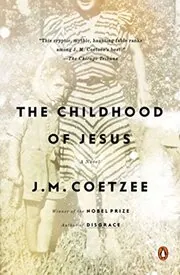
The Childhood of Jesus
by JM Coetzee
2013
A man named Simón and a young boy, David, arrive in the town of Novilla with no past and only a faint sense of purpose. Their search for David's mother opens into a spare, unsettling fable about belonging and meaning.
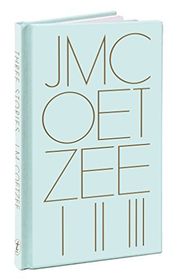
Three Stories
by JM Coetzee
2014
A man considers his attachment to a house, the thought of threshing wheat evokes a vanished life, and a writer reflects on his narrator. These three stories explore existence, memory, and creation, including Coetzee’s Nobel acceptance narrative His Man and He.
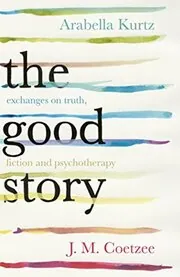
The Good Story
by JM Coetzee
2015
In this exchange with psychotherapist Arabella Kurtz, Coetzee explores how stories shape memory, identity, and healing. Their conversation moves between fiction and therapy, testing what counts as truth in either form.
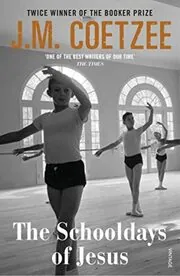
The Schooldays of Jesus
by JM Coetzee
2016
Simón, Inés, and David leave Novilla for Estrella, where David enters an unusual dance academy and resists every ordinary lesson. The novel is dreamlike and tense, asking what education, authority, and love really mean.
Late Essays
by JM Coetzee
2017
This essay collection gathers Coetzee's later pieces on writers such as Beckett, Defoe, Roth, and Patrick White. It is sharp, selective, and often as revealing about Coetzee's own standards as about the books he reads.
The Death of Jesus
by JM Coetzee
2019
In the final Jesus novel, David is now ten and living with Simón and Inés in Estrella. His strange intensity unsettles everyone around him, as Coetzee turns family life, schooling, and belief into a quiet, haunting crisis.
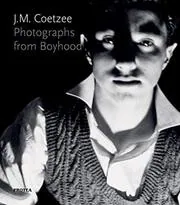
J.M. Coetzee - Photographs from Boyhood
by JM Coetzee
2020
A small visual memoir made from photographs Coetzee took as a teenager in the 1950s. The images, with interview and editorial material, offer a rare look at the world behind Boyhood and his early artistic eye.
The Pole
by JM Coetzee
2023
An elderly Polish pianist becomes infatuated with Beatriz after she helps arrange his Barcelona concert. His letters and invitations draw the married arts patron into an unlikely relationship, where competing expectations and unequal desire turn love into a struggle over meaning and control.
Speaking in Tongues
by JM Coetzee
2025
Coetzee and translator Mariana Dimópulos discuss what it means to inhabit, write in, and translate different languages. Their dialogue examines linguistic gender, English’s global influence, and ethical choices in translation, considering what language reveals and what it inevitably leaves behind.
Dusklands
by JM Coetzee
A researcher studies American psychological warfare in Vietnam while an eighteenth-century Boer frontiersman pursues revenge against people who denied him deference. These paired narratives explore obsession and domination, connecting the impulses of colonial conquest across different places and centuries.
Where to start with JM Coetzee
If you want the clearest entry point: Disgrace → Waiting for the Barbarians
If you want moral and political pressure: Waiting for the Barbarians → Life and Times of Michael K → Age of Iron
If you want memoir and self-portraiture: Boyhood → Youth → Summertime
If you want his late, stranger fiction: The Childhood of Jesus → The Schooldays of Jesus → The Death of Jesus
JM Coetzee sub-series and character series
Paul Auster (JM Coetzee) books in order
Explore this seriesScenes from Provincial Life books in order
Explore this seriesScenes from Provincial Life books in chronological order
Standalone JM Coetzee books
Author bio
JM Coetzee was born in Cape Town on February 9, 1940, and spent his early years between Cape Town and Worcester in the Western Cape. His mother was a primary school teacher, his father trained as a lawyer, and the family spoke English at home. The mixture of strict schooling, family tension, and apartheid South Africa would stay with him for the rest of his writing life.
He did not arrive in literature by a straight path.
At the University of Cape Town, he studied both English and mathematics, which fits the way his books work, feeling held inside sharp form. In the early 1960s he went to England and worked as a computer programmer while carrying on with literary study. He later earned a doctorate at the University of Texas at Austin, writing on Samuel Beckett, another writer who cared intensely about stripped language, silence, and what a person can still say under pressure.
Teaching was a big part of his life too. After time in the United States, including a period at SUNY Buffalo, he returned to South Africa in the early 1970s and spent many years at the University of Cape Town. He began writing fiction around then, and the first novels already showed the territory he would keep exploring, colonial power, compromised consciences, and people caught in moral situations they do not control.
Waiting for the Barbarians brought him wide international attention, and Life and Times of Michael K won the Booker Prize in 1983. Later came books such as Foe, Age of Iron, and Disgrace, each very different in setting and shape, but alike in how hard they press on questions of guilt, authority, and responsibility. Readers who love Coetzee often talk less about plot than about pressure, the sense that every sentence is testing what a human being can live with.
He rarely gives readers comfort, and that is part of the draw.
Another side of him appears in Boyhood, Youth, and Summertime, later gathered as Scenes from Provincial Life. These books stay close to his own life but refuse the usual memoir bargain. He often writes about himself in the third person, as if distance were necessary for honesty, and in Summertime he lets other people build a version of John Coetzee that may not be trustworthy at all. The result is intimate, awkward, funny in places, and deeply self-questioning.
He also wrote essays and hybrid books that matter just as much to many readers. The Lives of Animals and Elizabeth Costello turn lectures and arguments into fiction. Doubling the Point, Stranger Shores, Inner Workings, and Late Essays show how closely he reads other writers. Even the collaborative books, including Here and Now with Paul Auster and The Good Story with Arabella Kurtz, feel connected to the same lifelong interest in ethics, language, and the stories people use to explain themselves.
His later fiction stayed adventurous. The Childhood of Jesus, The Schooldays of Jesus, and The Death of Jesus follow a boy named David and the adults around him through a strange, pared-back world where memory, education, and belief no longer work in familiar ways. They are quieter books on the surface, but the questions underneath are as large as ever.
In 1999, Disgrace made Coetzee the first writer to win the Booker Prize twice. In 2003 he received the Nobel Prize in Literature. He moved to Australia in 2002, became an Australian citizen in 2006, and has long been based in Adelaide, with ties to the University of Adelaide. He is famously private, but the books are not remote. They keep asking, calmly and without fuss, how one should live.

Edited by
Software engineer whose passion for tracking book recommendations from podcasts inspired the creation of MRB.
Lead investor at 3one4 Capital whose startup expertise and love for books helped shape MRB and its growth.
Comments
Did we miss something? Have feedback?
Help us improve this page by sharing your thoughts