
Henry James Books in Order
Explore Henry James books in order, with concise summaries, reading suggestions, and a guide to his novels, tales, criticism, and travel writing.
Last updated:
As an Amazon Associate, we earn from qualifying purchases (at no extra cost to you).
Henry James books in publication order
132 books
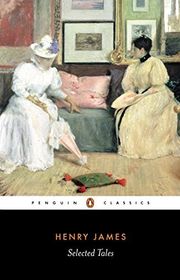
Selected Tales
by Henry James
1866
A sampler of James's short fiction, ranging from ghost stories and literary satire to international comedy and social drama. It is a useful introduction to his shifting viewpoints and tightly observed dilemmas.
The Novels of George Eliot
by Henry James
1866
James assesses George Eliot's novels with admiration and argument. His essay considers her characters, moral intelligence, realism, and the tension between large ideas and the practical demands of fiction.

My Friend Bingham
by Henry James
1867
A narrator recalls a friendship complicated by money, social expectation, and personal loyalty. The story uses a familiar relationship to reveal how little people may understand about the motives closest to them.
The Romance of Certain Old Clothes
by Henry James
1868
Two sisters compete for the same man, and jealousy survives beyond marriage and death. This early ghost story turns a locked wardrobe and a promise between sisters into a compact tale of revenge.
The Story of a Masterpiece
by Henry James
1868
A work of art becomes the center of a story about taste, ownership, and private feeling. James explores how a masterpiece can inspire admiration while exposing rivalry, vanity, and desire.

How to Play Golf
by Henry James
1869
A brief piece associated with James that approaches golf through observation and humor. Rather than a modern technical manual, it reflects on the game's rituals, frustrations, and appeal.
Pyramus and Thisbe
by Henry James
1869
James's early comic play reworks the tale of star-crossed lovers through theatrical misunderstandings and social obstacles. It shows his early interest in dialogue, performance, romance, and the gap between intention and outcome.
A Passionate Pilgrim
by Henry James
1871
An American visitor to England becomes fascinated by an ancestral home and the family history attached to it. The tale combines inheritance, illness, romance, and a haunting sense of belonging elsewhere.
At Isella
by Henry James
1871
A traveler in an Italian setting encounters a small group whose relationships are shaped by past choices and unspoken feeling. James uses the holiday atmosphere to create a quiet study of intimacy and distance.
Watch and Ward
by Henry James
1871
Roger Lawrence adopts orphaned Nora Lambert after her father's death and later imagines a future marriage with her. James's first novel follows the troubling consequences of that unequal arrangement as Nora grows up.
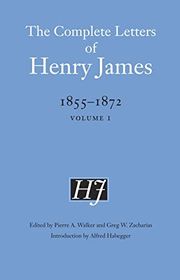
The Complete Letters of Henry James, 1855–1872: Volume 1
by Henry James
1872
The opening volume of James's letters follows him from adolescence into early adulthood. It records family travel, education, literary ambitions, friendships, and the beginnings of the writer he would become.
The Guest's Confession
by Henry James
1872
A short tale in which a guest's revelation disrupts the assumptions of a guarded social setting. James uses confession, secrecy, and shifting points of view to turn polite conversation into suspense.
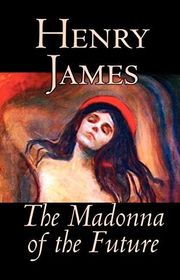
The Madonna of the Future
by Henry James
1873
In Florence, an American meets an aging painter who has spent decades preparing an ideal masterpiece that remains unfinished. The story is a sad, sharp portrait of ambition, delay, and artistic self-deception.
The Sweetheart of M. Briseux
by Henry James
1873
This early tale follows an observer caught up in the romantic complications surrounding M. Briseux. James blends European setting, romantic expectation, and social comedy in a story of uncertain attachments.
Adina
by Henry James
1874
An early James story about a young woman's emotional influence over those around her. It follows the uncertainty of romantic judgment, where admiration and idealization can obscure what people truly want.
Complete Stories, 1864–1874
by Henry James
1874
This volume gathers James's earliest stories, written as he learned his craft through experiments in romance, travel, art, family life, and American encounters with Europe. It shows the beginnings of his recurring concerns.
Eugene Pickering
by Henry James
1874
A young American becomes concerned for Eugene Pickering, a brilliant but troubled friend in Europe. Their friendship becomes a test of responsibility, as talent and private suffering prove hard to separate.
Madame de Mauves
by Henry James
1874
A young American woman marries a French aristocrat and discovers that his idea of marriage leaves little room for honesty. James examines betrayal, pride, and the painful limits of moral independence.
Osborne's Revenge
by Henry James
1874
A short story of rivalry and retaliation, centered on a man who refuses to let an old injury fade. James follows the social consequences when private resentment becomes a plan for revenge.

Professor Fargo
by Henry James
1874
An early comic tale about a professor whose ideas and behavior unsettle the people around him. James turns intellectual pretension and social expectation into a lightly satirical conflict.

The Last of the Valerii
by Henry James
1874
An American woman married to an Italian aristocrat fears that an ancient statue has changed her husband. Set in Rome, the tale mixes marital jealousy with supernatural unease and the weight of the past.
Benvolio
by Henry James
1875
A young American man finds himself caught between romantic hope and the social expectations surrounding marriage. James uses the situation to examine idealism, hesitation, and the pressure to choose a future.

Parisian Sketches: Letters to the New York Tribune, 1875-1876
by Henry James
1875
James's newspaper letters from Paris capture the city's art, theater, streets, politics, and social life. Written with an eye for telling detail, they show a young writer learning to turn observation into prose.
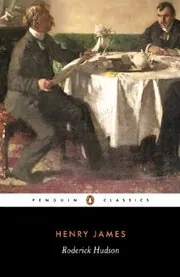
Roderick Hudson
by Henry James
1875
Rowland Mallet brings gifted young sculptor Roderick Hudson from America to Rome, hoping talent will flourish there. Art, ambition, romance, and money soon expose the costs of Roderick's restless temperament.
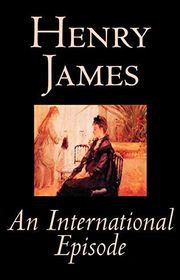
An International Episode
by Henry James
1876
Two English visitors meet wealthy Americans in Newport, where courtship becomes tangled in national habits and class expectations. James gives the international theme a witty, observant, and romantic turn.
Crawfords Consistency
by Henry James
1876
A story about a man's effort to remain faithful to his principles when love and social pressure complicate matters. James treats consistency as both a virtue and a source of awkward human comedy.
The Complete Letters of Henry James, 1872–1876: Volume 2
by Henry James
1876
This volume follows James during years of travel and growing professional purpose. His letters discuss Europe, American literary life, publishing, friendships, and the daily experiences that fed his early fiction.
The Complete Letters of Henry James, 1872–1876: Volume 3
by Henry James
1876
Continuing James's correspondence from the mid-1870s, this volume captures a writer in motion between countries and projects. It offers an intimate view of work habits, family ties, and literary ambitions.
Four Meetings
by Henry James
1877
A young woman tells of four encounters with a European relative who promises a wider life abroad. The story follows hope, family obligation, and the quiet disappointment that can hide inside sacrifice.
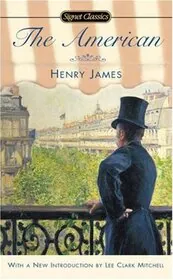
The American
by Henry James
1877
Self-made American businessman Christopher Newman goes to Europe seeking culture and a wife. His courtship of Claire de Cintré brings him up against an aristocratic family determined to protect its power.
Recommended by
1 person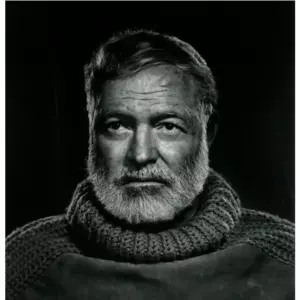 Ernest Hemingway recommended this book
Ernest Hemingway
Ernest Hemingway recommended this book in the "Ernest Hemingway on Writing" book.
Ernest Hemingway's recommendation of this book
The Suburbs of London
by Henry James
1877
James observes the expanding edges of London and the social world taking shape beyond its center. This travel sketch notices homes, streets, habits, and the uneasy relationship between city life and suburbia.
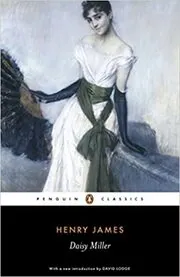
Daisy Miller
by Henry James
1878
Frederick Winterbourne meets lively young American Daisy Miller in Switzerland and Italy, but European society judges her freedom harshly. Their uneasy connection becomes a story about innocence, reputation, and fatal misunderstanding.
Longstaff's Marriage
by Henry James
1878
A man facing marriage must reckon with old attachments and the expectations others have built around him. James turns a familiar social occasion into a study of hesitation, choice, and self-interest.

The Europeans
by Henry James
1878
Two sophisticated European relatives arrive among their reserved New England cousins. Their visit unsettles courtships and family rules, letting James contrast old-world polish with American moral seriousness.

A Bundle of Letters
by Henry James
1879
A group of letters from American travelers in Europe offers several competing views of the same social world. James uses the form to make national habits, prejudice, and self-deception quietly funny.
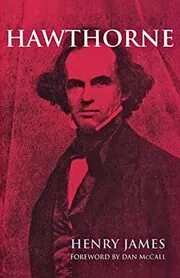
Hawthorne
by Henry James
1879
James's study of Nathaniel Hawthorne combines biography, criticism, and a wider look at American literary life. It is an early and thoughtful account of the problems James believed American fiction faced.
The Diary of a Man of Fifty
by Henry James
1879
A middle-aged man revisits Florence and remembers the love affair he once abandoned there. His diary reveals how one guarded decision can echo through decades of regret and imagined alternatives.
The Pension Beaurepas
by Henry James
1879
At a Swiss pension, a young American observes the tensions within a family traveling abroad. James uses the enclosed setting to explore parental control, romance, money, and the desire for freedom.
Confidence
by Henry James
1880
Two close friends, a married couple, and an American visitor become caught in a delicate game of suspicion and advice. James explores trust, jealousy, and the risks of trying to manage another person's happiness.
Washington Square
by Henry James
1880
Quiet Catherine Sloper falls in love with the charming Morris Townsend, but her stern father suspects he wants her inheritance. This New York family drama asks what love costs when affection is withheld.
The Portrait of a Lady
by Henry James
1881
Independent young American Isabel Archer inherits a fortune and goes to Europe determined to choose her own future. Her marriage draws her into a web of manipulation that tests freedom, loyalty, and self-knowledge.
Recommended by
1 person- Ernest Hemingway recommended this book
Ernest Hemingway
Ernest Hemingway recommended this book in the "Ernest Hemingway on Writing" book.
Ernest Hemingway's recommendation of this book
The Point of View
by Henry James
1882
Americans and Europeans write home from opposite sides of the Atlantic, each misunderstanding the place they visit. The story uses letters to make cultural comparison playful, revealing, and often ironic.

French Poets and Novelists
by Henry James
1883
A group of essays on major French writers and the literary culture around them. James reads poetry and fiction with attention to style, moral questions, artistic independence, and changing ideas of realism.
The Letters of Henry James, Volume II
by Henry James
1883
The second volume of James's correspondence reveals the daily work behind his books and friendships. Letters cover travel, publishers, family, literary gossip, theater, and the pressures of maintaining a career.
A Little Tour in France
by Henry James
1884
James travels through provincial France, describing old towns, churches, museums, inns, and landscapes. The book is both a journey through place and a meditation on history, art, and national character.
Complete Stories, 1874–1884
by Henry James
1884
James's stories from this decade include international comedy, travel settings, and sharp social observation. The collection captures his growing interest in Americans abroad, money, marriage, and the consequences of freedom.
Georgina's Reasons
by Henry James
1884
A woman offers her own explanation for a choice that puzzles the people around her. James lets competing versions of her motives expose how social judgment can miss the truth of private feeling.
Pandora
by Henry James
1884
A young American woman makes a strong impression on European observers during a transatlantic crossing and a visit to Washington. James tests their assumptions about femininity, ambition, class, and American confidence.

The Art of Fiction
by Henry James
1884
James's influential essay argues that fiction should be free to represent life in all its complexity. It is a concise, challenging statement of his belief in experience, perception, and artistic independence.

The Author of Beltraffio
by Henry James
1884
A young admirer visits a novelist whose wife despises his books and fears their influence on their child. The story probes artistic devotion, family conflict, and the cruel distance between an author and his work.
The Path of Duty
by Henry James
1884
A married couple's plans are tested by a promise and a moral obligation neither can easily escape. James explores how duty may look noble from outside while becoming painful within a marriage.
The Bostonians
by Henry James
1886
In postwar Boston, Basil Ransom and Olive Chancellor compete for the future of gifted speaker Verena Tarrant. Their struggle mixes politics, romance, reform, and the pressure of choosing a life.
The Princess Casamassima
by Henry James
1886
London bookbinder Hyacinth Robinson is drawn into radical politics and a dangerous secret promise. His search for belonging exposes sharp divisions of class, wealth, beauty, and power in the city.
Partial Portraits
by Henry James
1888
James's critical portraits of writers and thinkers are part biography, part literary judgment. He considers the people behind the work while testing what criticism can honestly say about artistic achievement.
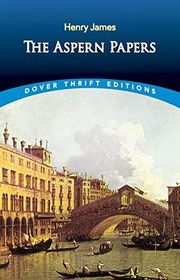
The Aspern Papers
by Henry James
1888
A literary editor goes to Venice seeking the private papers of a dead poet from the women who guard them. His deception creates a tense story about obsession, art, privacy, and exploitation.
The Lesson of the Master
by Henry James
1888
A promising young writer is taken under the wing of an older novelist who warns him against marriage. The mentor's advice gradually reveals a darker question about envy, sacrifice, and artistic ambition.
The Patagonia
by Henry James
1888
A sea journey places travelers together in close quarters, where observation quickly becomes curiosity about other lives. James uses the voyage to explore social masks, romantic possibility, and private judgment.

The Reverberator
by Henry James
1888
An American newspaper man in Paris threatens a Franco-American engagement when private family details become public copy. James makes a comedy of gossip, publicity, cultural misunderstanding, and social embarrassment.
The Tragic Muse
by Henry James
1890
Nick Dormer gives up a promising political future to pursue painting, while actress Miriam Rooth fights for a place on the stage. Their separate ambitions test love, family duty, money, and artistic conviction.
Complete Stories, 1884–1891
by Henry James
1891
A collection from a period when James's short fiction became more psychologically intricate. These tales explore writers, families, ambition, hidden motives, and the moral complications behind respectable appearances.

Sir Edmund Orme
by Henry James
1891
A young man visits an English country house where a woman is haunted by the ghost of her dead father. The supernatural threat is tied to a family promise and a troubled romance.
The Pupil
by Henry James
1891
Young tutor Pemberton becomes devoted to Morgan Moreen, a brilliant boy neglected by his charming but irresponsible parents. Their friendship deepens as financial need and adult failure close in around them.
Greville Fane
by Henry James
1892
A young writer becomes involved with a popular novelist whose family life is far less orderly than her public success suggests. James gives a sharp, sympathetic view of work, motherhood, and literary fame.
Owen Wingrave
by Henry James
1892
Owen Wingrave refuses his family's military tradition, despite intense pressure to become a soldier. His stand against inherited ideas of courage turns into a ghostly and tragic challenge at the family home.

Sir Dominick Ferrand
by Henry James
1892
A young man discovers a compromising secret about a respected public figure and must decide what to do with it. James explores loyalty, political ambition, blackmail, and the price of protecting a reputation.
The Private Life
by Henry James
1892
At a Swiss hotel, a narrator notices strange divisions between public personalities and private selves. This witty fantasy asks whether artists and social stars can ever be fully present in the lives others see.
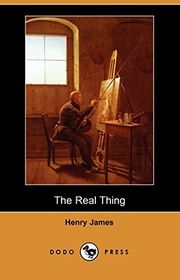
The Real Thing
by Henry James
1892
A struggling illustrator hires an aristocratic couple as models, only to find they are too refined to look convincing in ordinary scenes. The comic story asks whether authenticity is always useful in art.
The Coxon Fund
by Henry James
1894
A trust fund meant to support a gifted but irresponsible man becomes a burden for those who care about him. James examines talent, dependence, marriage, and the hard choices hidden inside generosity.
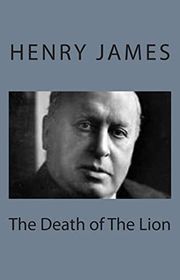
The Death of the Lion
by Henry James
1894
A young writer watches society turn a serious novelist into a fashionable spectacle. James's satire follows the damage done when admirers, hosts, and journalists value access to an author over the work.
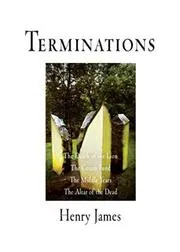
Terminations
by Henry James
1895
A collection of James's shorter fiction centered on endings, missed chances, and relationships brought to a point of decision. The stories find emotional pressure in inheritance, marriage, art, and memory.
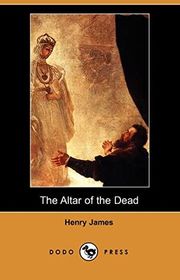
The Altar of the Dead
by Henry James
1895
George Stransom keeps a private memorial to the people he has lost, then meets a woman with a similar devotion. Their shared grief raises difficult questions about memory, forgiveness, and the dead.
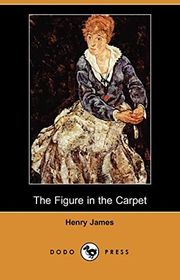
The Figure in the Carpet
by Henry James
1896
A critic becomes obsessed with discovering the hidden key to a novelist's entire body of work. His search turns literary interpretation into a comic and increasingly troubling pursuit of an elusive secret.
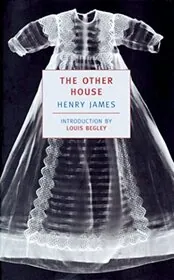
The Other House
by Henry James
1896
A widower's promise to his dying wife binds him to a difficult choice after a second chance at love appears. The novel turns family duty and grief into an increasingly troubling moral problem.
The Spoils of Poynton
by Henry James
1896
Mrs. Gereth loves the treasures in her country house more fiercely than her son does. When his engagement threatens those possessions, a battle over furniture becomes a battle over desire, class, and control.
The Painter's Eye
by Henry James
1897
This selection gathers James's writing on painters, portraits, galleries, and visual art. It shows a novelist thinking through how images tell stories and how art changes the way people see one another.
What Maisie Knew
by Henry James
1897
Young Maisie is passed between her divorced parents and their new partners. Seen through her alert but limited understanding, the story shows a child learning to read the selfish, confusing world adults create.
Complete Stories, 1892–1898
by Henry James
1898
These stories bring together some of James's most famous later shorter works, including tales of ghosts, artists, social pressure, and moral uncertainty. They show his growing skill with ambiguity and psychological tension.
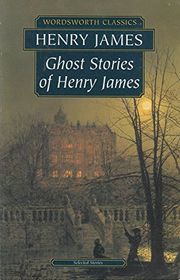
Ghost Stories of Henry James
by Henry James
1898
This collection gathers James's supernatural tales, where ghosts often emerge through grief, guilt, memory, and uncertainty. The scares are quiet but persistent, leaving readers to question what has truly been seen.
In the Cage
by Henry James
1898
A young telegraph operator pieces together the secret lives of wealthy customers from their messages. Her curiosity about one couple pulls her toward a risky world of adultery, money, and moral compromise.
John Delavoy
by Henry James
1898
This early tale follows John Delavoy through a social and romantic situation where appearances conceal important motives. James explores youthful confidence, misread signals, and the consequences of acting before understanding.

The Turn of the Screw
by Henry James
1898
A young governess caring for two children at a remote estate believes she sees the ghosts of former servants. The story's terror lies in whether the threat is real, imagined, or something in between.
Recommended by
1 person- Ernest Hemingway recommended this book
Ernest Hemingway
Ernest Hemingway recommended this book in the "Ernest Hemingway on Writing" book.
Ernest Hemingway's recommendation of this book
Paste
by Henry James
1899
A poor young woman receives a string of pearls that may be genuine, but is urged to treat them as imitation. The small mystery reveals class anxiety, generosity, pride, and the danger of assumptions.
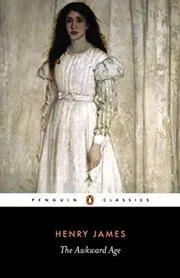
The Awkward Age
by Henry James
1899
Nanda Brookenham comes of age in a London world where adults speak around the truths that shape her future. James explores family loyalty, social performance, and the damage done by polite evasion.
The Great Condition
by Henry James
1899
A short story about a young writer facing the demands placed on talent, loyalty, and personal ambition. James turns a seemingly ordinary social problem into a close study of difficult terms and compromises.
Broken Wings
by Henry James
1900
A young woman with artistic hopes is drawn into a difficult relationship with an older painter. James explores creative ambition, dependency, and the disappointments that can follow a life built around another person's talent.
Maud-Evelyn
by Henry James
1900
A narrator encounters a family devoted to the memory of a dead girl and to the imagined future they still build around her. James makes grief feel both tender and deeply unsettling.
The Great Good Place
by Henry James
1900
An exhausted writer wakes in a peaceful retreat where everyone seems freed from ordinary pressure. This gentle fantasy imagines rest, attention, and recovery as rare gifts in a demanding working life.
The Third Person
by Henry James
1900
Two women inherit a London house and confront a ghost linked to its past. The supernatural puzzle becomes a story about family history, property, and the uneasy claims the dead make on the living.
The Tone of Time
by Henry James
1900
A man returning to an old relationship finds that time has altered its meaning without settling its emotional debts. James traces the subtle shifts between memory, desire, and the present moment.
Mrs. Medwin
by Henry James
1901
A man is drawn into the emotional claims of Mrs. Medwin, whose life and expectations unsettle his own plans. James studies sympathy, obligation, and the unforeseen cost of becoming someone else's confidant.
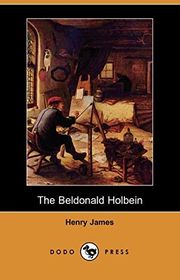
The Beldonald Holbein
by Henry James
1901
An American portrait painter is asked to paint a society hostess and notices a troubling resemblance between her face and a famous old portrait. James turns art, vanity, and identity into an eerie comedy.
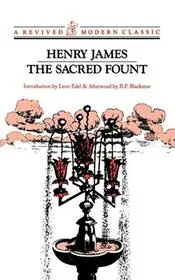
The Sacred Fount
by Henry James
1901
At a country-house party, an unnamed narrator becomes convinced that guests are mysteriously exchanging youth, energy, and intelligence. His attempt to prove the theory makes this a sly, unsettling mystery.
The Wings of the Dove
by Henry James
1902
Kate Croy and Merton Densher face financial uncertainty, then become entangled with the rich and seriously ill Milly Theale. Their choices turn love into a painful test of loyalty, need, and conscience.
The Ambassadors
by Henry James
1903
Lambert Strether travels from Massachusetts to Paris to bring a young man home from a troubling romance. Instead, Paris changes his own ideas about happiness, duty, age, and the life he has missed.

The Beast in the Jungle
by Henry James
1903
John Marcher believes a terrible event is waiting to transform his life, while May Bartram quietly keeps watch beside him. His obsession with a future disaster blinds him to what he has in the present.
The Better Sort
by Henry James
1903
This story collection brings together tales about social ambition, marriage, art, money, and private disappointment. James finds drama in polished surfaces, uneasy friendships, and the gap between appearances and motives.
The Birthplace
by Henry James
1903
A couple appointed to preserve a famous writer's birthplace gradually discover how public reverence can distort private life. James satirizes heritage, tourism, marriage, and the pressure to make a past marketable.
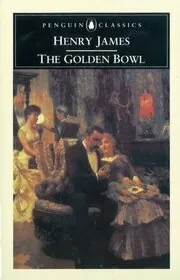
The Golden Bowl
by Henry James
1904
A wealthy American heiress, her Italian husband, her father, and his new wife are joined by a secret that threatens both marriages. James builds a tense study of love, deception, and silent knowledge.
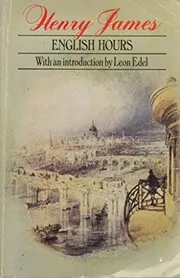
English Hours
by Henry James
1905
A collection of James's essays on English places, writers, and social life. From London to country towns, he considers landscape, history, class, and the strange familiarity of England to an American visitor.
Traveling in Italy with Henry James
by Henry James
1907
This anthology follows James through Italian cities, galleries, streets, and landscapes. His travel pieces combine practical encounters with reflections on art, history, crowds, memory, and the pleasures of looking closely.
Where to start with Henry James
For a clear first novel: Washington Square → The Portrait of a Lady.
For Americans abroad: Daisy Miller → The American → The Europeans.
For ghostly suspense: The Turn of the Screw → The Aspern Papers → The Jolly Corner.
For later, denser novels: The Wings of the Dove → The Ambassadors → The Golden Bowl.
Henry James collections, short stories, and related book types
Short Stories/Novellas
Short Story Collections
Plays
Non-Fiction
Standalone Henry James books
Author bio
Henry James was born in New York City on April 15, 1843, into a lively, well-traveled family. His father, Henry James Sr., was a religious thinker, and his older brother William became a major psychologist and philosopher. Their mother, Mary Robertson Walsh James, helped hold together a household that was always on the move.
James grew up between New York, Europe, and Newport, Rhode Island. He and his siblings were taught by tutors and governesses, and their travels through England, France, Switzerland, Germany, and Italy gave him a lasting interest in people crossing cultural and social lines.
He tried Harvard Law School briefly, but writing soon took over.
His first published story, A Tragedy of Error, appeared in 1864. He began writing reviews, criticism, sketches, and stories for magazines, steadily building the habits that would support a long working life. An early injury during the Civil War years kept him from military service, and he later wrote of the period as one that pushed him inward, toward observation and fiction.
James's early novels, including Roderick Hudson, The American, The Europeans, and Washington Square, often place Americans beside Europeans and let manners, money, freedom, and old expectations collide. He was especially interested in what people leave unsaid. A drawing room, a family visit, or a polite conversation can become a place where power shifts quietly.
Then came Daisy Miller and The Portrait of a Lady. In both, James follows American women encountering Europe and the rules imposed by wealth, class, romance, and reputation. Readers often come to him for that close attention to choices, especially the moment when a character realizes that a seemingly small decision has changed everything.
He settled in England in 1876 and spent most of the rest of his life there. London, Paris, Rome, Venice, New York, and country houses all became important settings, but he never stopped writing about the pull between the United States and Europe.
His later work grew more intricate. The Wings of the Dove, The Ambassadors, and The Golden Bowl focus on love, loyalty, money, and the private thoughts people struggle to put into words. He also wrote memorable shorter works, from the ghostly uncertainty of The Turn of the Screw to the painful self-deception of The Beast in the Jungle.
James was more than a novelist. He wrote travel books, literary criticism, memoirs, plays, notebooks, and thousands of letters. His essays on fiction ask practical questions about what novels can do and why a writer's point of view matters.
In 1897 he moved to Lamb House in Rye, East Sussex, where he continued to work despite declining health. He became a British citizen in 1915, during the First World War, and died in London on February 28, 1916. His books still reward patient readers because they make inner life feel active, risky, and full of consequence.










Edited by
Software engineer whose passion for tracking book recommendations from podcasts inspired the creation of MRB.
Lead investor at 3one4 Capital whose startup expertise and love for books helped shape MRB and its growth.
Comments
Did we miss something? Have feedback?
Help us improve this page by sharing your thoughts