
13 Best Henry James Books
Explore the best Henry James books, ranked by expert sources, with notes for newcomers, fans of psychological fiction, and readers ready for his late novels.
Our take
Henry James turns conversations, marriages, and apparently small social decisions into questions about freedom and power. His Americans abroad encounter unfamiliar expectations, while his families and couples struggle to understand what others know or want. The early books often tell their stories directly; the later novels ask readers to follow thought through more intricate sentences and shifting impressions.
Daisy Miller and Washington Square are useful starting points for readers who want a shorter, clearer introduction. The Portrait of a Lady offers a larger emotional and social canvas without requiring an immediate leap into the late style. For a different approach, The Turn of the Screw concentrates uncertainty into a ghost story, while The Beast in the Jungle makes expectation the center of a life. Readers who enjoy that ambiguity can move toward The Ambassadors, The Wings of the Dove, and The Golden Bowl. Start with the shorter work whose situation most interests you.
13 books · 9 sources · Last updated
As an Amazon Associate, we earn from qualifying purchases (at no extra cost to you).
Reading Henry James in order? See all Henry James books in order
How to choose from this list
Skip to the full rankingIf you want an accessible introduction: Daisy Miller → Washington Square → The Portrait of a Lady
If you prefer unsettling short fiction: The Turn of the Screw → The Beast in the Jungle
If you want Americans encountering Europe: The American → The Portrait of a Lady → The Ambassadors
If you are ready for the late novels: The Ambassadors → The Wings of the Dove → The Golden Bowl
If artistic ambition interests you: Roderick Hudson → The Tragic Muse
If you want difficult family relationships: Washington Square → What Maisie Knew
The 13 books, ranked
Ranked by how many expert sources name each book. Ties go to the book more people recommend.
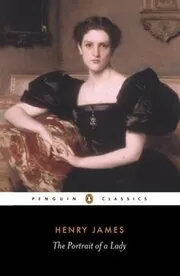
The Portrait of a Lady
For readers who want James’s psychological depth within a substantial, recognizable narrative, Isabel Archer’s story offers a strong introduction. Its moral and emotional complexity rewards attention, though the length asks for a sustained commitment.
What it's about
Independent young American Isabel Archer inherits a fortune and goes to Europe determined to choose her own future. Her marriage draws her into a web of manipulation that tests freedom, loyalty, and self-knowledge.
Also recommended by
1 person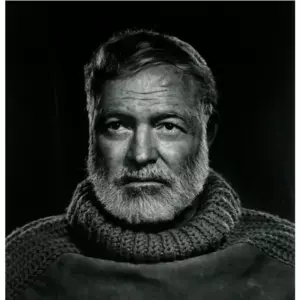 Ernest Hemingway recommended this book
Ernest Hemingway
Ernest Hemingway recommended this book in the "Ernest Hemingway on Writing" book.
Ernest Hemingway's recommendation of this book
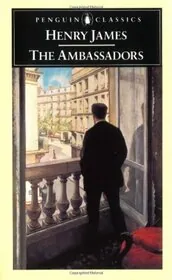
The Ambassadors
For readers interested in late-life possibility and the limits of perception, James makes reconsideration itself dramatic. The subtle shifts in understanding are rewarding, but the elaborate late style makes this a demanding first encounter.
What it's about
Lambert Strether travels from Massachusetts to Paris to bring a young man home from a troubling romance. Instead, Paris changes his own ideas about happiness, duty, age, and the life he has missed.

The Turn of the Screw
For readers who enjoy uncertainty as much as ghosts, this short work invites competing interpretations of what its narrator sees. The concentrated atmosphere makes it approachable, but readers wanting a clear explanation may find the ambiguity frustrating.
What it's about
A young governess caring for two children at a remote estate believes she sees the ghosts of former servants. The story's terror lies in whether the threat is real, imagined, or something in between.
Also recommended by
1 person- Ernest Hemingway recommended this book
Ernest Hemingway
Ernest Hemingway recommended this book in the "Ernest Hemingway on Writing" book.
Ernest Hemingway's recommendation of this book
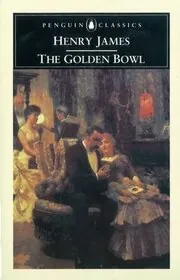
The Golden Bowl
For readers comfortable with ambiguity and intricate prose, this late novel turns unspoken knowledge into sustained psychological pressure. Its close attention to perception is the reward, but the indirectness demands unusually patient reading.
What it's about
A wealthy American heiress, her Italian husband, her father, and his new wife are joined by a secret that threatens both marriages. James builds a tense study of love, deception, and silent knowledge.
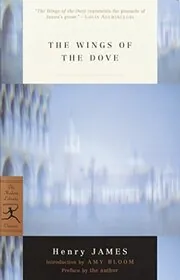
The Wings of the Dove
For readers ready for James’s late style, this novel makes desire, money, and moral compromise difficult to separate. Its shifting perspectives give decisions emotional weight, but the elaborate prose requires slower reading than his early fiction.
What it's about
Kate Croy and Merton Densher face financial uncertainty, then become entangled with the rich and seriously ill Milly Theale. Their choices turn love into a painful test of loyalty, need, and conscience.
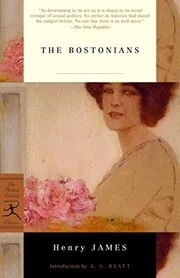
The Bostonians
For readers who like social satire with political stakes, this novel gives reform, gender roles, and competing claims on another person sharp tension. The social breadth adds interest, though its caricatures and judgments can be uncomfortable.
What it's about
In postwar Boston, Basil Ransom and Olive Chancellor compete for the future of gifted speaker Verena Tarrant. Their struggle mixes politics, romance, reform, and the pressure of choosing a life.
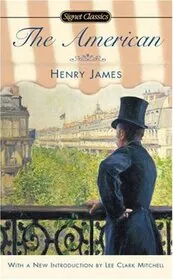
The American
For readers who want a comparatively direct introduction to Americans encountering European society, this early novel combines courtship with social conflict. Its clearer narrative is welcoming, though it has less of the later works’ intricate interiority.
What it's about
Self-made American businessman Christopher Newman goes to Europe seeking culture and a wife. His courtship of Claire de Cintré brings him up against an aristocratic family determined to protect its power.
Also recommended by
1 person- Ernest Hemingway recommended this book
Ernest Hemingway
Ernest Hemingway recommended this book in the "Ernest Hemingway on Writing" book.
Ernest Hemingway's recommendation of this book
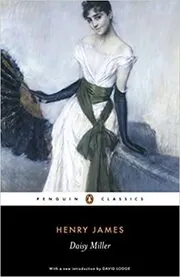
Daisy Miller
For newcomers who want a short introduction to James’s international theme, Daisy Miller makes social judgment and misunderstanding immediately legible. Its compact form is inviting, though its brevity offers less psychological breadth than the longer novels.
What it's about
Frederick Winterbourne meets lively young American Daisy Miller in Switzerland and Italy, but European society judges her freedom harshly. Their uneasy connection becomes a story about innocence, reputation, and fatal misunderstanding.
The Beast in the Jungle
For readers who want James’s psychological intensity in a short form, this story concentrates on expectation and the life it can obscure. Its restraint rewards reflection, but much of its force depends on implication rather than incident.
What it's about
John Marcher believes a terrible event is waiting to transform his life, while May Bartram quietly keeps watch beside him. His obsession with a future disaster blinds him to what he has in the present.
Washington Square
For readers who prefer a direct family conflict to James’s later intricacy, Washington Square offers an accessible entry into his moral world. Its clarity and economy are strengths, though the restrained style supplies little outward action.
What it's about
Quiet Catherine Sloper falls in love with the charming Morris Townsend, but her stern father suspects he wants her inheritance. This New York family drama asks what love costs when affection is withheld.
What Maisie Knew
For readers interested in how a child interprets adult behavior, James’s restricted viewpoint creates a distinctive moral perspective. The gap between perception and understanding is powerful, but the indirect narration can make events difficult to untangle.
What it's about
Young Maisie is passed between her divorced parents and their new partners. Seen through her alert but limited understanding, the story shows a child learning to read the selfish, confusing world adults create.
Roderick Hudson
For readers curious about artistic ambition in early James, this novel offers a relatively straightforward route through patronage, talent, and dependence. The setting and relationships create interest, though the psychological method is less refined than in later novels.
What it's about
Rowland Mallet brings gifted young sculptor Roderick Hudson from America to Rome, hoping talent will flourish there. Art, ambition, romance, and money soon expose the costs of Roderick's restless temperament.
The Tragic Muse
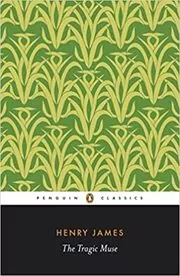
For readers interested in artistic vocation and its costs, this novel gives James a broader social canvas than his shorter works. The contrasting ambitions create variety, but the length and multiple strands make it a less obvious first choice.
What it's about
Nick Dormer gives up a promising political future to pursue painting, while actress Miriam Rooth fights for a place on the stage. Their separate ambitions test love, family duty, money, and artistic conviction.
Sources
- 1
The Best of Henry James
publishersweekly.com
- 2
The Top 10 Henry James Novels
publishersweekly.com
- 3
Henry James: a brief introduction
panmacmillan.com
- 4
6 Masterpieces by Henry James That Defined Modern Literature
thecollector.com
- 5
Ranking Henry James novels
humanizingthevacuum.wordpress.com
- 6
The greatest books written by Henry James
thegreatestbooks.org
- 7
Books by Henry James
fivebooks.com
- 8
Henry James
reddit.com
- 9
On Reading Every Henry James Novel
reddit.com





Edited by
Software engineer whose passion for tracking book recommendations from podcasts inspired the creation of MRB.
Lead investor at 3one4 Capital whose startup expertise and love for books helped shape MRB and its growth.
Comments
Spotted a missing book, a wrong order or a mistake? Tell us and we'll fix this page.
We're a reading guide, not the author or publisher, so we can't send books or pass on messages.