
32 Best HTML5 Books
The best HTML5 books, ranked by how many expert sources recommend each one, with notes for beginners, web designers, and developers building browser apps.
Our take
HTML5 books can teach several different jobs. Some explain how to give text, images, links, and forms a clear structure. Others combine that markup with CSS layouts or use JavaScript to draw graphics, play media, and respond to users. A beginner building a first website needs a different starting point from a programmer investigating a browser API.
For a visual introduction, HTML and CSS and Learning Web Design connect code with the page you see. Web Design Playground puts projects at the center. HTML5 for Web Designers is a shorter discussion for readers who already know the basics, while HTML5 Canvas focuses on interactive graphics. The textbooks provide more exercises and a longer course of study. Many titles describe an earlier stage of browser development, so read their compatibility advice and API examples alongside current documentation. Start with a general HTML and CSS guide, then choose a focused book for the kind of page or application you want to build.
32 books · 8 sources · Last updated
As an Amazon Associate, we earn from qualifying purchases (at no extra cost to you).
How to choose from this list
Skip to the full rankingIf you're building your first pages: HTML and CSS → Learning Web Design
If you prefer learning through projects: Web Design Playground
If you already know basic markup: HTML5 for Web Designers → Responsive Web Design with HTML5 and CSS
If you want browser graphics and animation: HTML5 Canvas → Foundation HTML5 Animation with JavaScript
If you want a compact markup reference: HTML5 Pocket Reference
The 32 books, ranked
Ranked by how many expert sources name each book. Ties go to the book more people recommend.
For visual learners making their first websites. The illustrated explanations make page structure and styling easier to grasp than a dense reference, but the older layout material needs supplementing before building a current responsive site.
What it's about
Jon Duckett introduces HTML and CSS through illustrated explanations, photographs, and code examples. The book shows beginners how web pages are structured and styled, connecting markup and presentation with practical considerations for organizing content and designing a usable website.
For developers who already know basic HTML and want the reasoning behind HTML5 features. The compact explanations are easier to sample than a textbook, but browser support discussions reflect an earlier period of web development.
What it's about
Mark Pilgrim introduces HTML5 features through explanations, markup examples, graphics, and screenshots. The guide covers semantic elements, Canvas drawing, embedded video, and offline capabilities, showing how developers can add these functions to websites while considering browser support.
HTML5 and CSS3 All-in-One For Dummies
For beginners who want a broad view extending from markup into server programming. The separate minibooks make topics easy to browse, but that range can distract from learning HTML well and includes older tools and techniques.
What it's about
Andy Harris presents web development through self-contained minibooks covering HTML5, CSS3, design, layout, and JavaScript. The guide also connects these foundations with PHP, MySQL, and Ajax, explaining how client-side and server-side techniques combine to produce dynamic websites.

HTML5 for Masterminds
How to Take Advantage of HTML5 to Create Responsive Websites and Revolutionary Applications
For learners who want HTML, CSS, and JavaScript connected in one sustained course. Its breadth reduces the need to switch books, but the size and older browser coverage make it less convenient for a quick markup introduction.
What it's about
J. D. Gauchat teaches the technologies needed to create websites and web applications through progressive examples. The guide connects HTML document structure with CSS styling and JavaScript APIs, building toward responsive pages and more capable browser-based applications.

For readers who learn through diagrams, repetition, and practical experiments. It connects JavaScript with browser features more actively than a tag reference, but the playful format is lengthy and its API examples need checking against current documentation.
What it's about
Eric Freeman and Elisabeth Robson teach building web applications with HTML5 and JavaScript through visual lessons and practical examples. The book introduces the DOM, events, web services, and browser APIs, connecting programming concepts with interactive pages.
For beginners who want a thorough course rather than a quick tag guide. Exercises connect HTML, CSS, images, and introductory scripting, but the breadth takes more time than a short HTML5 overview.
What it's about
Jennifer Niederst Robbins introduces website creation through HTML, CSS, JavaScript, and web graphics. Exercises and quizzes build from page structure to responsive layouts, image optimization, and development tools, giving beginners practice in creating sites that adapt to different screen sizes.

Responsive Web Design with HTML5 and CSS
Develop Future-Proof Responsive Websites Using the Latest HTML5 and CSS Techniques
For readers who can write basic pages and want layouts that adapt to different screens. Its integrated HTML and CSS examples stay focused on design problems, but it offers less depth on JavaScript application development.
What it's about
Ben Frain explains how to build responsive websites using HTML5 and CSS in this third edition. Practical examples explore adaptable layouts, CSS Grid, custom properties, variable fonts, forms, and visual effects for interfaces that work across different screen sizes.

Web Development and Design Foundations with HTML5
For beginners taking a structured course that includes accessibility and design as well as code. Its broader foundation helps explain why pages work, but the textbook pace and older edition may feel slow for experienced programmers.
What it's about
Terry Felke-Morris introduces web development through hands-on practice with HTML and CSS. The textbook connects page structure, text, color, and layout with broader design principles, accessibility, and web standards, giving students a foundation for creating websites.

For readers who want task-based instructions they can consult while editing a page. The visual format makes individual operations easy to locate, but the older edition offers less guidance on newer layout approaches and browser behavior.
What it's about
Elizabeth Castro and Bruce Hyslop introduce HTML and CSS through visual, task-based instructions. This eighth edition explains page structure, styles, images, links, forms, multimedia, and CSS3 effects, then covers testing, debugging, and publishing a website to the web.

For readers who prefer patient explanations of browser capabilities alongside practical examples. It provides more context than a pocket reference, but the older offline and compatibility material requires extra care when translating examples into current projects.
What it's about
Matthew MacDonald explains HTML5 and related web standards through step-by-step tutorials and practical examples. The guide connects page structure and responsive layouts with features such as video, dynamic graphics, geolocation, offline capabilities, and drag and drop in web applications.
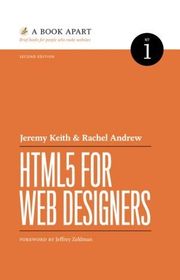
HTML5 for Web Designers
For designers who already understand basic markup and want a concise explanation of HTML5’s choices. Its focus on meaningful structure is easier to digest than a broad programming manual, but it is not a complete beginner course.
What it's about
A concise guide explains HTML5 syntax, elements, and the decisions behind the language’s development. The revised edition also addresses responsive images and structured information, helping designers apply markup thoughtfully rather than treating it as a list of tags.

HTML5 in Easy Steps
For complete beginners who prefer screenshots and short examples to lengthy theory. Its small steps make basic markup less intimidating, but the compact treatment provides less explanation of design choices and complex application behavior.
What it's about
Mike McGrath introduces HTML5 through examples and screenshots that show how web pages are structured. Lessons cover text, images, lists, tables, links, forms, audio, and video, with script examples demonstrating drawing and animation inside a page's canvas area.

For readers who already write markup and want a small desk reference. Its element and attribute entries are quicker to consult than a course, but the printed specification snapshot cannot replace current documentation or practical exercises.
What it's about
Jennifer Niederst Robbins provides a compact reference to HTML5 elements and attributes. Alphabetical entries include markup examples, content rules, and tag requirements, alongside character charts and an overview of APIs, reflecting the specifications available when this edition was prepared.

Introducing HTML5
For developers who want an explanation of semantic markup and the thinking behind browser features. Its concise, example-led style suits an existing foundation, but the early HTML5 context makes some compatibility and API discussion historical.
What it's about
Bruce Lawson and Remy Sharp introduce HTML5 through practical code examples and discussion of the problems its features address. The book explains semantic structure, accessibility, and browser APIs, helping developers understand how to incorporate emerging capabilities into web pages and applications.

Murach's HTML5 and CSS3
For learners who like explanations paired closely with code and exercises. Its teaching format makes a structured route through page construction, but the particular edition matters because layout techniques and supporting tools change over time.
What it's about
Anne Boehm and Zak Ruvalcaba teach website development through HTML5 and CSS3 using a practical instructional format. This fourth edition covers the skills needed to build web pages and adds focused treatment of Flexbox and Grid for responsive layouts.
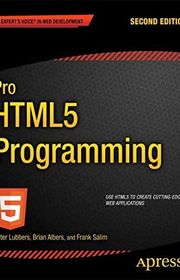
Pro HTML5 Programming
For JavaScript developers interested in how browser APIs support richer applications. Its working examples go beyond document markup into application behavior, but the older API and compatibility coverage must be checked against current implementations.
What it's about
Examples explore browser capabilities associated with HTML5, including graphics, communication, storage, and interaction. The book connects these APIs to application development, showing how JavaScript can coordinate features that extend web pages beyond static documents and forms.
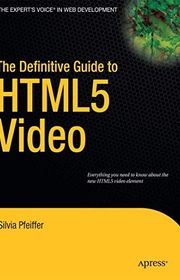
The Definitive Guide to HTML5 Video
For developers who need more depth on web media than a general HTML book provides. Its attention to integration and alternative representations is useful context, but the early publication means implementation details require substantial checking.
What it's about
A detailed introduction examines native browser audio and video, their integration with page styling and scripting, and alternative representations of media. It explains how playback fits into web applications while considering controls, accessibility, and related graphics technologies.
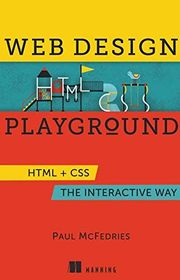
Web Design Playground
For beginners who learn by building pages and experimenting with visible results. The projects give HTML and CSS an immediate purpose, but readers seeking an exhaustive element or browser API reference will need another resource.
What it's about
Paul McFedries teaches HTML and CSS through projects such as product pages and photo galleries. A companion workspace supports experimentation while lessons introduce page structure, images, typography and responsive design without requiring readers to arrange their own hosting.

For readers who want markup, typography, and visual effects taught together. Its design perspective connects structure with presentation more directly than an API reference, but the older examples need supplementing for current layout practice.
What it's about
Christopher Murphy and his coauthors introduce HTML5 structure and CSS3 styling for web designers and developers. Chapters connect meaningful markup with layout, typography, visual properties, transformations, transitions, and animation, explaining how the technologies work together in website projects.

Foundation Game Design with HTML5 and JavaScript
For beginners who need a game project to make programming concepts concrete. Its open-ended exercises connect code with playable behavior, but the focus on games leaves ordinary website structure and accessible content design in the background.
What it's about
A project-based introduction teaches programming through browser games made with HTML5, CSS, and JavaScript. Readers begin with basic logic and interaction, then develop more involved games while learning how code coordinates rules, graphics, and player input.

Foundation HTML5 Animation with JavaScript
For JavaScript programmers who want the mathematics behind motion and interactive graphics. Its progression through physics and animation concepts goes deeper than a markup guide, but the subject demands more mathematical patience than ordinary page construction.
What it's about
This guide develops scripted animation using JavaScript and HTML5 Canvas. It explains the mathematics behind movement, then explores acceleration, easing, springs, collisions, and related techniques, helping readers understand how visual behavior can be constructed rather than merely copied.
Head First Mobile Web
For developers who like visual exercises and want to understand the constraints of mobile browsing. It combines technical and strategic questions more broadly than a layout guide, but its device landscape and tooling are dated.
What it's about
A visual tutorial explores adapting websites for phones and tablets with HTML5, CSS, and JavaScript. Lessons connect responsive presentation, performance, device differences, and development choices, encouraging readers to consider both implementation and the needs of people browsing on mobile devices.
HTML5 & CSS3 for the Real World
For designers with basic HTML and CSS who want examples that combine structure, media, and visual effects. Its practical scope is broader than a markup primer, but its original browser assumptions need checking before applying the techniques.
What it's about
Practical examples combine semantic HTML5 with CSS styling, forms, media, and graphics. The book shows how these features work together in website projects, emphasizing clear markup and visible results while introducing capabilities beyond basic text and image pages.
HTML5 Canvas
For JavaScript developers who want drawing and animation explained through interactive multimedia projects. Its sustained use of games makes graphics concepts concrete, but it is a specialized programming book rather than a general introduction to HTML.
What it's about
Examples introduce drawing, text rendering, image manipulation, and animation with the browser’s Canvas element. A developing game project connects individual graphics techniques, showing how JavaScript coordinates visual updates and interactive behavior within a web page.

HTML5 Digital Classroom
For learners who prefer a sequence of guided lessons and supporting training materials. Its classroom structure provides more direction than a reference, but older companion resources and browser examples may need extra work to use today.
What it's about
Jeremy Osborn and the AGI Creative Team teach HTML5 through structured lessons and practical examples. The book introduces markup, forms, media, Canvas, browser APIs, and related CSS techniques, helping readers connect individual features with the work of building web pages.
HTML5 Foundations
For learners who want to move from using templates to writing their own pages. Its design-oriented introduction offers practical context for markup, but the older browser environment limits its value as a current technical reference.
What it's about
An introduction to HTML5 guides readers toward building customized web pages rather than relying entirely on prepared themes. Explanations and practical examples connect document structure with visual presentation and the browser features used in interactive website projects.
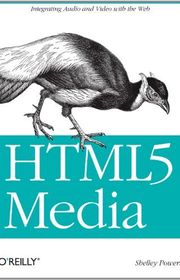
HTML5 Media
For developers who know CSS and JavaScript and need focused audio or video coverage. Its compact scope avoids the distractions of a broad manual, but file formats, browser support, and accessibility details require current verification.
What it's about
This focused guide introduces audio and video elements and their integration into web pages. Code examples examine media controls, playback behavior, captions, and styling, connecting the browser’s built-in media features with custom interactions written in JavaScript.

For students who want case studies, coding tasks, and debugging practice. The project sequence provides more structure than a lookup reference, but the textbook format is a substantial commitment and edition-specific course materials may matter.
What it's about
Patrick Carey teaches HTML5 and CSS3 through website projects based on realistic case scenarios. Coding tasks, debugging challenges, and a capstone project develop design and problem-solving skills, connecting fundamental concepts with practical work on complete web pages.
The Truth About HTML5
For developers who want to question assumptions about semantic markup rather than follow another broad tutorial. Its argumentative approach makes design decisions the focus, but the historical debates and strong opinions need reading in context.
What it's about
This discussion of HTML5 examines confusion around markup choices, semantic elements, and common development assumptions. It aims to explain the reasoning behind practical decisions, using examples to separate useful language features from claims that deserve closer scrutiny.

For developers looking for examples organized around specific implementation problems. Its task-based approach is more convenient than reading a course in order, but the older code needs review rather than being copied directly into current projects.
What it's about
Marco Casario and his coauthors provide code-based solutions to common HTML5 development tasks. The collection covers page structure, semantic elements, forms, audio, video, and drawing APIs, presenting practical techniques for incorporating these capabilities into websites and applications.

The Definitive Guide to HTML5
For developers who want a substantial reference spanning markup, styling, scripting, and browser APIs. The breadth helps connect separate parts of web development, but the volume and age make selective reading more practical than treating it as current specification guidance.
What it's about
Adam Freeman develops a broad foundation in HTML5, CSS3, JavaScript, and document manipulation. The guide then examines associated browser APIs, covering geolocation, storage, offline applications, drag and drop, Canvas, audio, and video as parts of website and application development.

HTML5 Guidelines for Web Developers
For developers who know HTML, CSS, and JavaScript and want compact examples of browser features. Its focused format makes selective reading practical, but the early API coverage needs verification before being used in a current application.
What it's about
Klaus Förster and Bernd Öggl explain HTML5 features through compact examples for developers familiar with HTML, CSS, and JavaScript. Topics include document semantics, forms, audio and video, graphics, geolocation, storage, offline applications, and APIs for more interactive websites.
Sources
- 1
100 Best HTML5 Books of All Time
shortform.com
- 2
Html5 Books
goodreads.com
- 3
15 Best HTML Books for Beginners and Advanced Coders
sitepoint.com
- 4
HTML Books
educba.com
- 5
books
sites.google.com
- 6
Best Books to Learn HTML and HTML5: Beginner Picks for 2026
itechguides.com
- 7
Book recommendations to learn HTML5
reddit.com
- 8
Best HTML5 Books in 2022 for Handling Different Web Applications
onlinebooksreview.com




Edited by
Software engineer whose passion for tracking book recommendations from podcasts inspired the creation of MRB.
Lead investor at 3one4 Capital whose startup expertise and love for books helped shape MRB and its growth.
Comments
Spotted a missing book, a wrong order or a mistake? Tell us and we'll fix this page.
We're a reading guide, not the author or publisher, so we can't send books or pass on messages.