
24 Best Tantra Books
The best tantra books, ranked by how many expert sources recommend each one, with notes on religious traditions, philosophy, personal accounts, and modern intimacy.
Our take
Tantra names a range of religious traditions, texts, and practices rather than a single method. Books using the term may discuss Hindu or Buddhist philosophy, interpret spiritual symbols, recount a teacher's life, or adapt selected ideas for contemporary intimacy. Those differences matter when choosing a starting point, because a couples guide and a translated religious anthology answer very different questions.
Tantra Illuminated and Tantra: Path of Ecstasy introduce history and philosophy, while Introduction to Tantra takes a Tibetan Buddhist perspective. Tantra in Practice brings together translated materials from varied settings. For a more personal approach, Aghora and Tantric Quest present teachings through narrative; Tools for Tantra concentrates on yantras. Urban Tantra and The Heart of Tantric Sex belong to the modern intimacy side of the shelf. Start with Tantra Illuminated for a broad historical orientation, or choose the religious tradition or contemporary purpose that most closely matches your interest.
24 books · 7 sources · Last updated
As an Amazon Associate, we earn from qualifying purchases (at no extra cost to you).
How to choose from this list
Skip to the full rankingIf you want history and philosophy: Tantra Illuminated → Tantra in Practice
If you want a Tibetan Buddhist introduction: Introduction to Tantra
If you want to study a translated classical text: Tantra Illuminated → The Recognition Sutras
If visual symbolism interests you: Tools for Tantra
If you prefer a teacher's personal narrative: Aghora → Aghora II → Aghora III
If modern intimacy is your focus: Urban Tantra → The Heart of Tantric Sex
The 24 books, ranked
Ranked by how many expert sources name each book. Ties go to the book more people recommend.

For readers who want tantra introduced from within Tibetan Buddhism. Yeshe makes desire and the mind central to the discussion, though this introductory explanation doesn't provide the full training context assumed by advanced Vajrayana practices.
What it's about
Lama Yeshe introduces Tibetan Buddhist tantra and its approach to transforming desire into spiritual practice. He explains who might undertake it and discusses joy, energy, and self-discovery within the tradition's understanding of the mind.

Tantra Illuminated
The Philosophy, History, and Practice of a Timeless Tradition
For readers who want philosophical ideas placed within the history of Sanskrit tantric traditions. Wallis combines scholarship with a practitioner's interest, though the detail and terminology require more sustained attention than a short introductory guide.
What it's about
Christopher Wallis introduces the history, philosophy, and practice of tantra through Sanskrit sources. The book explains central teachings and lineages, placing practical spiritual ideas within the wider development of the tradition.

For couples interested in slowing down and bringing awareness to intimacy. Richardson offers a focused modern approach to relationship experience, though readers seeking classical texts or the history of tantra will need a different starting point.
What it's about
Diana Richardson presents a practical approach to tantric intimacy for Western couples. Her discussion considers love, awareness, and sexual experience, inviting partners to explore how attention and connection can shape their relationship.

Kundalini Tantra
For readers interested in the Bihar School's account of kundalini and yogic practice. Its organized treatment connects concepts with a particular training system, though the tradition's energetic framework shouldn't be confused with a biomedical anatomy textbook.
What it's about
Swami Satyananda Saraswati presents kundalini yoga within the tantric tradition, explaining its concepts of spiritual energy and the chakras. The book connects these teachings with yoga practices, including kriya yoga, as part of his approach to spiritual development.

For couples who want an accessible introduction to tantra as conscious intimacy. The focus on emotional and spiritual connection makes it a relationship-oriented starting point, though it offers a modern reinterpretation rather than a broad account of religious tantra.
What it's about
Charles and Caroline Muir introduce tantra as an approach to conscious intimacy between partners. The book presents methods for exploring the physical, emotional, and spiritual dimensions of love and bringing greater awareness to relationships.

For readers drawn to discourses on meditation and surrender rather than a historical survey. Osho's interpretation gives Tilopa's teaching a conversational immediacy, though it reflects one modern teacher's voice rather than a close scholarly commentary.
What it's about
Osho interprets Tilopa's Song of Mahamudra as a guide to Tantra and inner transformation. He explores meditation, surrender, and the relationship between inner understanding and outward practice, contrasting this approach with Yoga's emphasis on will.

For readers who enjoy a personal search narrative as an entry into spiritual ideas. Odier's encounters give the teachings an intimate voice, though the memoir perspective offers less critical distance than a historical or comparative study.
What it's about
Daniel Odier recounts his search for a tantric teacher in the Himalayas and his encounter with the yogini Devi. Their exchanges introduce Shivaic teachings on passion, the ego, and spiritual love through a personal narrative.

Tools for Tantra
For readers interested in the visual and symbolic side of tantric traditions. Johari makes yantra construction and interpretation the distinctive focus, though its practical art orientation offers less historical breadth than Tantra Illuminated.
What it's about
Harish Johari introduces yantras, the geometric forms used in Tantric spiritual practice. Color illustrations and step-by-step instructions explain their proportions, construction, coloring, and use, presenting these designs within a tradition of meditation and self-realization.
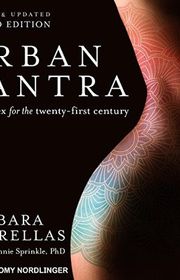
Urban Tantra
For adults seeking an inclusive, contemporary approach to spiritual sexuality. Carrellas addresses varied identities and solo as well as partnered exploration, though the modern synthesis should be distinguished from historical instruction in a particular religious lineage.
What it's about
Barbara Carrellas presents a contemporary approach to tantra and sexuality for people with varied identities and relationships. The guide combines discussion of awareness, intimacy, and personal exploration with exercises adapted for modern life, including both individual and shared experiences.

For readers who prefer an unconventional teacher's stories to a systematic introduction. Svoboda's account gives spiritual ideas a personal setting, though it blends recollection and teaching narrative rather than providing an independently documented ethnographic study.
What it's about
Robert Svoboda presents the life and teachings of his mentor Vimalananda, drawing on conversations and personal experiences. The account introduces Aghora's philosophy and spiritual practices through the perspective of an unconventional Indian practitioner.

For readers who want a broad explanation of religious tantra beyond its popular association with sex. Feuerstein connects history and spiritual concepts, though the substantial overview offers less depth on any single lineage or text.
What it's about
Georg Feuerstein examines tantra's history, philosophy, and practices across Hindu, Jain, and Buddhist traditions. He discusses spiritual liberation and the role of Shakti while addressing common misunderstandings that reduce tantra to its erotic aspects.

For readers continuing Svoboda's account of Vimalananda who want its kundalini themes developed further. The conversational stories preserve the first volume's personal voice, though the explanations make more sense with that earlier context.
What it's about
Robert Svoboda continues his account of Vimalananda's teachings, focusing on kundalini and spiritual practice. Discussions of mantra, yantra, and everyday experiences explore the teacher's understanding of energy and its place in human life.

For readers interested in desire and attention within Odier's approach to tantric spirituality. The emphasis on embodied awareness distinguishes it from text-heavy historical studies, though it presents a particular teaching perspective rather than a comprehensive survey.
What it's about
Daniel Odier explores desire as a source of spiritual energy within tantric practice. Drawing on classical teachings, he discusses breath, thought, bodily awareness, and intimacy as ways of approaching attention and awakening.

For readers who enjoy returning to short meditation themes through expansive commentary. The range of approaches invites comparison with everyday experience, though Osho's discursive style is much longer than the compact source text might suggest.
What it's about
Osho presents 112 meditation techniques drawn from Tantra, explaining practices intended to explore consciousness and self-understanding. His commentary encourages readers to question conditioned beliefs and consider how attention and awareness can bring new meaning to everyday experience.

The Garland of Letters
For readers with some background who want to investigate tantric accounts of sound and language. Woodroffe's focus on the Sanskrit alphabet provides unusual depth, though the metaphysical vocabulary makes it a difficult first book.
What it's about
John Woodroffe examines tantric teachings about sound, language, and the Sanskrit alphabet. His discussion considers letters, vibration, and deity within a spiritual interpretation of speech and the metaphysical ideas associated with it.
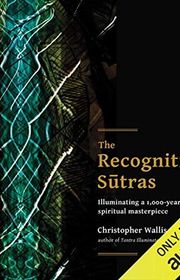
The Recognition Sutras
For readers ready to move from an overview into a specific classical teaching. Wallis combines translation with substantial explanation of recognition philosophy, though the commentary is best approached with some familiarity with nondual tantric ideas.
What it's about
Christopher Wallis translates and explains Ksemaraja's Pratyabhijna-hrdaya, a short work introducing the Recognition tradition of Kashmir. His commentary explores its account of consciousness, identity, and spiritual understanding, connecting the compact text with questions relevant to contemporary readers.

For readers interested in women's experiences and questions of authority within yoga and tantra. Dinsmore-Tuli brings personal accounts together with feminist reflection, though the advocacy and breadth differ from a narrowly focused textual history.
What it's about
Uma Dinsmore-Tuli explores women's experiences of yoga and tantra through history, philosophy, and personal stories. The book brings together questions of sexuality, politics, goddess traditions, and feminism in its discussion of women's spiritual practice.

For readers already engaged with the Aghora series who want its treatment of action and consequence. The recurring racecourse setting makes philosophical ideas concrete, though its anecdotal teaching approach differs from a systematic study of karma across traditions.
What it's about
Robert Svoboda explores Vimalananda's teachings about karma through stories and reflections on action and consequence. Experiences at a Bombay racecourse provide a recurring setting and metaphor for examining spiritual principles in ordinary life.

Introduction to the Tantra Sastra
For readers studying early English interpretations of Shakta tantric texts. Woodroffe supplies conceptual background for scripture and religious practice, though the older terminology and explanatory framework need more patience than a contemporary introduction.
What it's about
John Woodroffe introduces tantric scripture and the Shakta tradition in a study originally associated with the Mahanirvana Tantra. He explains religious concepts and practices to provide context for understanding this body of Indian spiritual literature.

For readers interested in a yoga tradition's treatment of women's lives and spirituality. Its life-stage organization gives it a specific practical focus, though the gender assumptions and wellbeing discussion should be read within the book's traditional framework.
What it's about
Swami Muktananda considers women's lives from adolescence through menopause in relation to yoga and spirituality. The book presents practices at different levels of experience and discusses topics associated with women's physical and emotional wellbeing.

For couples interested in a modern spiritual approach to intimacy and communication. Personal stories and shared exercises make the relationship focus explicit, though it is a contemporary adaptation rather than a history of classical tantric traditions.
What it's about
Al Link and Pala Copeland adapt tantric approaches to intimacy for contemporary couples. Exercises, personal stories, and discussion of communication explore the connections between sexuality, emotional closeness, and the shared experience of relationships.

Tantra in Practice
For readers who want translated examples from varied tantric traditions rather than one teacher's synthesis. The range of genres and contextual introductions supports comparison, though the anthology format is less continuous than an introductory narrative.
What it's about
David Gordon White brings together translated texts illustrating tantric traditions across Asia and through many centuries. Scriptures, poems, plays, interviews, and instructions appear with contextual introductions that explore diverse religious settings and practices.

The Psychology of Kundalini Yoga
For readers interested in Jung's interpretation of religious symbols and inner transformation. The seminar format shows a psychologist engaging with kundalini ideas, though it represents a Western psychological reading rather than instruction from within a tantric lineage.
What it's about
These seminar discussions record C. G. Jung's psychological interpretation of Kundalini yoga in 1932. He considers its symbols as representations of inner transformation and relates Eastern spiritual ideas to the development of consciousness.

For readers comparing modern interpretations of tantric texts and spiritual discipline. Evola's emphasis on self-mastery gives the book a distinctive perspective, though it is an author's interpretive synthesis rather than a neutral survey of tantric traditions.
What it's about
Julius Evola interprets tantric and Shakta traditions through their texts, presenting a path of spiritual discipline and self-mastery. His discussion examines teachings about the body, latent energies, and the use of power in spiritual practice.
Sources
- 1
31 Best Tantra Books On Tantric Sex And Traditional Tantra
tantricacademy.com
- 2
The 10 Best Books On Tantra You Should Really Read
thegreenleafmag.com
- 3
Tantra Books [19 Must Read Resources Updated For 2025]
meditationbrainwaves.com
- 4
Tantra Books
goodreads.com
- 5
Best Tantra Books? Top 10 Recommendations [2026 Update]
happyrubin.com
- 6
Booklists - TaoSemko.com
taosemko.com
- 7
Book Recommendations | Lotus Tantra Institute International
lotustantrainstitute.ca






Edited by
Software engineer whose passion for tracking book recommendations from podcasts inspired the creation of MRB.
Lead investor at 3one4 Capital whose startup expertise and love for books helped shape MRB and its growth.
Comments
Spotted a missing book, a wrong order or a mistake? Tell us and we'll fix this page.
We're a reading guide, not the author or publisher, so we can't send books or pass on messages.