
30 Best Numerology Books
The best numerology books, ranked by how many expert sources recommend each one, with notes on who each suits, from new learners to readers of older traditions.
Our take
Numerology gives symbolic meanings to numbers found in names, birth dates and recurring patterns. These books approach it as a spiritual or interpretive practice, with different traditions using different calculations and correspondences. Some teach readers to build a personal chart; others connect number symbolism with tarot, astrology, religion or ideas about life purpose.
A Beginner's Guide to Numerology offers an accessible starting point. Hans Decoz’s Numerology: A Complete Guide to Understanding and Using Your Numbers of Destiny provides a more detailed chart-based method. Numerology and the Divine Triangle combines numerical interpretations with tarot and astrology, while Numerology: With Tantra, Ayurveda, and Astrology introduces a different spiritual framework. Older manuals such as Cheiro's Book of Numbers and Your Days Are Numbered help readers explore earlier approaches. For cultural context rather than personal readings, The Mystery of Numbers examines how societies have understood number symbolism.
Start with A Beginner's Guide to Numerology for calculations, or The Mystery of Numbers if your interest is historical and cultural.
30 books · 8 sources · Last updated
As an Amazon Associate, we earn from qualifying purchases (at no extra cost to you).
How to choose from this list
Skip to the full rankingIf you're learning your first calculations: A Beginner's Guide to Numerology → Numerology Made Easy
If you learn best through exercises: The Complete Idiot's Guide Numerology Workbook
If you want numerology connected with tarot: Numerology and the Divine Triangle
If you're interested in Indian traditions: Numerology
If you want to explore older manuals: Cheiro's Book of Numbers → Your Days Are Numbered
If you want cultural and religious context: The Mystery of Numbers
The 30 books, ranked
Ranked by how many expert sources name each book. Ties go to the book more people recommend.
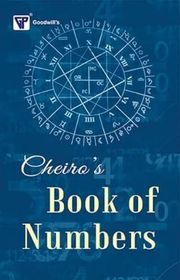
Cheiro's Book of Numbers
For readers who want an older source associated with Chaldean numerology. Its birth-date and name interpretations provide historical perspective on later manuals, but the dated style and confident predictions differ from contemporary reflective introductions.
What it's about
Cheiro presents interpretations of numbers in names and birth dates within an occult framework. The book links number symbolism with personality and events, offering an influential historical example of the methods and claims later numerology guides developed.

Numerology and the Divine Triangle
For readers who want numerology connected with tarot and astrology in one reference. Its number-by-number interpretations offer more symbolic cross-connections than a basic calculator guide, but the combined systems make it a substantial introduction.
What it's about
Faith Javane and Dusty Bunker combine numerology with astrology and Tarot symbolism. An introductory section establishes their approach, followed by interpretations of numbers from one to seventy-eight through personal and temporary vibrations, astrological correspondences, and illustrated Tarot cards.

For readers specifically interested in an Indian spiritual framework for interpreting numbers. Its connections with planetary symbolism distinguish it from Western name-based guides, but the mixture of traditions calls for attention to each system’s assumptions.
What it's about
Harish Johari presents a numerology system drawing on Tantra, Ayurveda, and astrology. He explains psychic, name, and destiny numbers, their proposed planetary correspondences, and the patterns of the Vedic Square, alongside interpretations involving personality and daily life.

For learners ready to construct fuller personality readings rather than stop at a single number. Detailed charts and examples support sustained practice, but the amount of interpretation makes it more demanding than the shorter introductory guides.
What it's about
Matthew Oliver Goodwin presents a working manual for constructing numerological personality readings. Detailed charts and examples explain interpretations of personal numbers, including Master and Doubled Numbers, and explore their application to relationships and decisions about life changes.

For learners who want a structured method for building and interpreting a personal chart. Its attention to numbers in different chart positions adds detail beyond a single life-path reading, but the system requires practice and careful calculation.
What it's about
Hans Decoz and Tom Monte introduce numerology's philosophy and its applications to names and birth dates. Step-by-step calculations and charts explain their method of interpreting numbers in relation to talents, personal challenges, career questions, and growth.
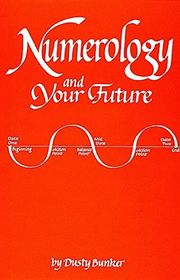
Numerology and Your Future
For readers who want to concentrate on personal cycles after learning their core numbers. Its year, month and day framework complements broader chart guides, but its predictive emphasis is less suited to readers seeking cultural history or general symbolism.
What it's about
Dusty Bunker explains personal numbers and numerological cycles for years, months and days. Number interpretations connect character readings with the author’s approach to forecasting trends, using past examples to illustrate how she applies the system.
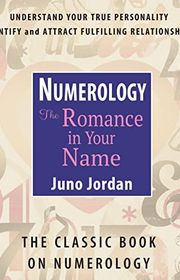
Numerology: The Romance in Your Name
For learners interested in the name-based tradition behind many later numerology guides. Its treatment of personal charts offers a substantial working reference, but its older language and assumptions can feel less direct than a modern beginner book.
What it's about
Juno Jordan explores the numerical meanings assigned to names and their proposed connections with personality, relationships and life patterns. The book develops interpretations within a traditional numerological framework and provides material for constructing more detailed personal readings.

A Beginner's Guide to Numerology
Decode Relationships, Maximize Opportunities, and Discover Your Destiny
For beginners who want clear calculations before exploring a larger reference. Its name, birth-date and personal-cycle examples make the first exercises manageable, but experienced readers may find the brief treatment repeats familiar introductory material.
What it's about
Joy Woodward introduces numerology through simple calculations using names and birth dates. The guide explains core profiles and personal years, months, and days, then considers how these interpretations can be applied to relationships, opportunities, and everyday decisions.

Glynis Has Your Number
Discover What Life Has in Store for You Through the Power of Numerology!
For beginners who want a conversational introduction with exercises about relationships and personal patterns. Its emphasis on applying interpretations makes the material accessible, but readers looking for comparative history or deeper theory will need another book.
What it's about
Glynis McCants explains her numerology system through the numbers associated with birthdays and personal profiles. She applies these interpretations to strengths, recurring patterns, relationships, and work, offering exercises for examining compatibility and choices through her numerical approach.

For readers who want numerology presented as a system for understanding personal patterns. Its treatment of number relationships offers more continuity than a birthday lookup book, but the metaphysical interpretations call for engagement with the author’s framework.
What it's about
David Phillips presents a metaphysical interpretation of numbers and their patterns in individual lives. His guide connects numerology with self-understanding and explores the relationships he proposes between numerical influences, personal experiences, abundance, and well-being.
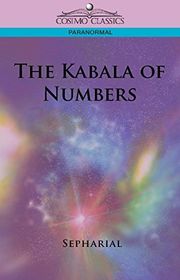
The Kabala of Numbers
For experienced readers curious about an older occult treatment of number symbolism and divination. Its broad metaphysical scope goes beyond everyday personal charts, but the dense historical prose and speculative claims make it unsuitable as a quick introduction.
What it's about
Sepharial develops an early twentieth-century occult system linking numbers with events, human behavior and natural patterns. Its two parts examine numerological theories, divination and geometric correspondences, showing a historical approach to interpreting the world through numerical symbolism.

The Secret Language of Birthdays
Your Complete Personology Guide for Each Day of the Year
For readers who want a birthday-by-birthday symbolic profile to browse. Its combination of several traditions creates a distinctive reference format, but the date-based organization gives less explanation of calculations than a dedicated numerology manual.
What it's about
Gary Goldschneider and Joost Elffers present personality profiles for every day of the year. Combining astrology, numerology, tarot, and observation, their system of personology describes proposed strengths, difficulties, and relationship patterns associated with a person's birthday.
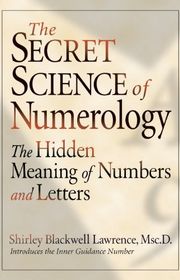
The Secret Science of Numerology
For readers interested in esoteric explanations of letters and numbers beyond basic chart calculations. Its attention to symbolic origins gives the book a distinct focus, but the metaphysical argument is more speculative than a historical survey of number traditions.
What it's about
Shirley Blackwell Lawrence explores the symbolic meanings she assigns to numbers and letters, including their shapes, origins and use in names. The book develops a metaphysical explanation of numerology and introduces her Inner Guidance Number interpretation.

The Ultimate Guide to Numerology
Use the Power of Numbers and Your Birthday Code to Manifest Money, Magic, and Miracles
For visually oriented beginners who want several numerological applications gathered in an illustrated guide. Names, birthdays and repeated sequences provide varied entry points, but the wide scope and manifestation framing offer less depth on any single tradition.
What it's about
Tania Gabrielle explains her numerological interpretations of birthdays, birth names, addresses, and repeated number sequences. The illustrated guide covers numbers, letters, astrological connections, and personal cycles, showing how she applies them to questions about purpose and everyday life.

Your Soul Contract Decoded
Discovering the Spiritual Map Of Your Life With Numerology
For readers drawn to a specialized spiritual system based on the sounds of names. Its chart organizes themes of purpose and personal challenges, but the Hebrew-glyph correspondences differ substantially from more familiar Western numerology methods.
What it's about
Nicolas David Ngan explains a spiritual reading system that links the sounds of a birth name with Hebrew glyphs and numbers. A Star of David chart organizes his interpretations of karmic patterns, talents, goals, and soul purpose.

Astrology & Numerology
For readers who want astrology and numerology introduced together. The paired format lets you compare two symbolic approaches to personality, but neither receives the sustained attention available in a guide devoted to a single system.
What it's about
Sofia Visconti brings together introductions to astrology and numerology in a two-book collection. Discussions of zodiac signs, planets, birth dates, and numerical patterns present her interpretations of personality, relationships, work, and the choices involved in daily life.

For readers interested in applying numerological profiles to everyday questions and relationships. Its familiar examples make the interpretations approachable, but the emphasis on practical readings gives less attention to the historical origins of number symbolism.
What it's about
Lloyd Strayhorn introduces numerology as a way of interpreting personality and everyday choices. His guide applies numerical readings to relationships, timing, places, and life purpose, with profiles of famous people illustrating the approach.
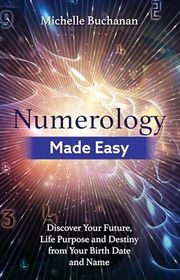
Numerology Made Easy
For beginners who want names, birth dates and personal cycles explained through a contemporary spiritual framework. Its practical organization gives the exercises direction, but it overlaps with broader introductory guides and retains a strong destiny-oriented perspective.
What it's about
Michelle Buchanan introduces calculations based on birth dates and names and explains the personal meanings she assigns to them. The guide connects numerological profiles and cycles with reflection on purpose, relationships and the direction of everyday life.

The Complete Idiot's Guide Numerology Workbook
Reveal Essential Truths About Yourself, Your Loved Ones, and the World Around You
For readers who learn best by completing calculations and recording their interpretations. The workbook format makes practice more active than browsing descriptions, but it is less convenient as a compact reference when you only want a quick definition.
What it's about
Patricia Kirkman and Katherine Gleason provide exercises for calculating and interpreting numerological profiles. The workbook covers core numbers, karma, challenges, and personal and universal years, with charts and forecasts showing how their system organizes readings.

For readers who prefer spiritual self-reflection organized around birth numbers. Its focus on purpose and recurring challenges gives the interpretations a personal-development structure, but its distinctive system differs from the methods used in conventional numerology manuals.
What it's about
This reference work introduces the Life Purpose System, a method that uses birth numbers to outline each person’s core gifts, challenges, and cycles, with practical suggestions for work, relationships, health, and spiritual growth along every life path.

The Mystery of Numbers
For readers interested in how cultures give numbers meaning rather than constructing personal charts. Its religious, literary and folkloric examples offer broader historical context, but it provides little step-by-step instruction in contemporary numerological readings.
What it's about
Annemarie Schimmel explores the meanings attributed to numbers across religious traditions, folklore, literature, and superstition. Her cross-cultural account considers the origins of number symbolism and examines how particular numbers have acquired sacred, lucky, or ominous associations.

For readers who want numerology organized around familiar life questions and personal cycles. Its applications make the calculations feel connected to everyday reflection, but the wide range of topics limits the depth devoted to each interpretation.
What it's about
Michelle Buchanan explains numerological interpretations based on names and birth dates. Her guide applies this system to relationships, career decisions, parenting, names, and the timing of major events, presenting calculations as tools for personal and spiritual reflection.

For readers who want a birthday reference combining several symbolic traditions. Its daily profiles and charts make browsing straightforward, but the blend of astrology, fixed stars and numerology is less focused than a calculation-led teaching guide.
What it's about
Saffi Crawford and Geraldine Sullivan combine astrology, numerology, and fixed-star interpretations in profiles for every birthday. Charts and explanations present their readings of personality, relationships, and careers, alongside guidance on calculating personal numbers and interpreting annual cycles.
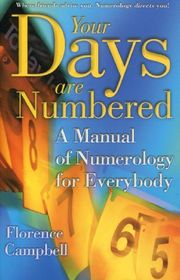
Your Days Are Numbered
For readers who want an older teaching text covering names, birth dates and personal years. Its progression includes both introductory and more advanced material, but the historical language and mystical assumptions require some adjustment for modern readers.
What it's about
Florence Campbell introduces a numerology system using name numbers, birth-date numbers and personal years. Explanations and interpretations connect these calculations with proposed personal qualities and cycles, presenting a traditional manual for learners at different levels of familiarity.

For readers who want a short introduction to Chaldean numerology. Its focus on name vibrations and examples provides a distinct route into the subject, but the compact format leaves less room for extended practice and detailed comparison.
What it's about
Novalee Wilder introduces Chaldean numerology through its history, base numbers, and name vibrations. Calculations, the Numeroscope, and case studies illustrate her approach to interpreting personality, life lessons, and goals through the numerical meanings assigned to names and dates.

For readers who enjoy birthday profiles presented through color symbolism. Its visual swatches make it an unusual browsing reference, but the color-centered format is less useful for learning to calculate and interpret a conventional numerology chart.
What it's about
Michele Bernhardt assigns a color and personality profile to every birthday, combining astrology, numerology, and color symbolism. Monthly colors, relationship interpretations, keywords, and perforated swatches extend her system into a visual guide for reflection and everyday inspiration.

Numerology for Beginners
For newcomers who want a survey of common chart components before choosing a deeper reference. Its range includes core numbers and karmic interpretations, but the breadth can make it harder to develop one coherent reading method.
What it's about
Clarissa Lightheart introduces numerology through calculations of life-path, destiny, soul, personality, and birthday numbers. Her guide explains the meanings assigned to core and Master Numbers, Pythagorean arrows, and karmic debt, connecting these interpretations with personal reflection.

The Angel Numbers Book
How to Understand the Messages Your Spirit Guides Are Sending You
For readers interested specifically in interpreting repeated number sequences as spiritual messages. Its reference format supports looking up patterns encountered in daily life, but it offers a narrower practice than calculating a full personal numerology chart.
What it's about
Mystic Michaela offers interpretations of recurring numbers and sequences encountered in ordinary life, including clocks and license plates. Her reference presents these patterns as messages from spirit guides and explains the meanings she associates with different angel numbers.

The Complete Idiot's Guide to Numerology
For beginners who want core numbers and their symbolic meanings explained in an accessible reference. Its broad introductory structure supports learning the vocabulary, but experienced readers may prefer a more detailed chart-building manual.
What it's about
Kay Lagerquist and Lisa Lenard introduce numerology through five core numbers associated with personality and life direction. Their guide discusses interpretations of numbers one through nine, Master and Karmic numbers, and the use of numerical symbolism for spiritual reflection.

For newcomers who want a concise introduction to number meanings and basic personal charts. Its focus on a limited set of numbers keeps the opening manageable, but more experienced learners may want a larger reference for nuanced interpretations.
What it's about
Remington Donovan introduces numerology through the meanings he assigns to numbers from zero to eleven. Calculations using dates lead into discussions of character, karmic and life-path numbers, recurring patterns, and the use of numerological charts in everyday life.
Sources
- 1
100 Best Numerology Books of All Time
shortform.com
- 2
Numerology Books
goodreads.com
- 3
Recommended Numerology Books
worldnumerology.com
- 4
7 Numerology Books Worth Your Time: From a 2,500-Year-Old Source to One Written for Skeptics
orbivanius.com
- 5
A few people have asked me which numerology books to start with. Here's what I'd recommend, from beginner to deep.
reddit.com
- 6
The Best 25 Numerology Books
blinkist.com
- 7
Learn Numerology with the 10 Best Books about Numerology
brokebybooks.com
- 8
Vedic Numerology Books: 6 English Titles Compared
auravixa.com


Edited by
Software engineer whose passion for tracking book recommendations from podcasts inspired the creation of MRB.
Lead investor at 3one4 Capital whose startup expertise and love for books helped shape MRB and its growth.
Comments
Spotted a missing book, a wrong order or a mistake? Tell us and we'll fix this page.
We're a reading guide, not the author or publisher, so we can't send books or pass on messages.