
8 Best Swimming Books
The best swimming books, ranked by how many expert sources recommend each one, with notes on who each suits, from technique readers to water-loving explorers.
Our take
Swimming books can take you into an Olympic training environment, across an open-water channel, or along a quiet river. They can also explore how movement works or why water holds such a strong place in people’s lives. This selection is mostly memoir, cultural writing, and travel, with one technique-focused guide for readers who want to think more closely about their stroke.
No Limits follows the outlook behind elite competition, while In the Water They Can’t See You Cry examines the distance between success and private distress. Swimming To Antarctica and Man vs Ocean turn toward demanding open-water pursuits. For a broader reading experience, Swim and Why We Swim investigate swimming’s appeal across lives and cultures. Waterlog offers a slower journey through British landscapes, and Total Immersion presents a particular approach to efficiency. Start with the kind of swimming that interests you, and choose between firsthand narrative, wider context, and practical technique.
8 books · 10 sources · Last updated
As an Amazon Associate, we earn from qualifying purchases (at no extra cost to you).
How to choose from this list
Skip to the full rankingIf you want an Olympic career perspective: No Limits → In the Water They Can't See You Cry
If you want long-distance open-water memoirs: Swimming To Antarctica → Man vs Ocean
If you want swimming’s wider cultural appeal: Swim → Why We Swim
If you want nature and travel writing: Waterlog
If you want a technique-focused approach: Total Immersion
The 8 books, ranked
Ranked by how many expert sources name each book. Ties go to the book more people recommend.

For readers who enjoy nature writing, travel, and the politics of access to water. Deakin’s wandering route offers a slower, observational contrast to athletic memoirs, though the British setting and digressive pace may not suit technique-focused readers.
What it's about
Roger Deakin explores Britain by swimming its rivers, lakes, seas, ponds, and other waterways. His travel narrative combines encounters with wildlife and local people with reflections on access, landscape, and the swimmer's perspective on the country's wild places.

For readers interested in the preparation and competitive outlook behind an Olympic campaign. Michael Phelps and Alan Abrahamson offer a champion’s personal perspective, though the story centers on the period through Beijing rather than his complete career.
What it's about
Michael Phelps, writing with Alan Abrahamson, reflects on the training and competitive mindset behind his swimming career through the Beijing Olympics. Stories about family, coach Bob Bowman, demanding preparation, and memorable races connect his achievements with the obstacles he encountered.

For readers who want swimming explored through history, culture, and human curiosity. Sherr’s wide-ranging approach offers more context than a single athlete’s memoir, though the breadth leaves less space for detailed technique or a sustained personal narrative.
What it's about
Lynn Sherr investigates swimming's appeal through history, biology, popular culture, and the experiences of competitive athletes. Her exploration ranges from wild water and swimming pools to buoyancy, costumes, and Olympian training, considering why people repeatedly seek out the water.

For readers fascinated by endurance and cold-water environments. Cox’s firsthand account gives long-distance swimming a physical and emotional immediacy, though the exceptional crossings describe specialized pursuits rather than everyday recreational swimming.
What it's about
Lynne Cox recounts her development as a long-distance swimmer and the planning behind challenging open-water crossings. From early training to swims in extreme cold, her memoir combines physical preparation, encounters with marine environments, and reflections on her relationship with water.
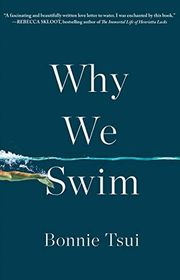
Why We Swim
For readers curious about what swimming means across different lives and cultures. Tsui connects personal stories with broader questions more explicitly than a single-career memoir, though the thematic structure offers exploration rather than practical instruction.
What it's about
Bonnie Tsui explores why people swim through stories of survival, community, competition, wellbeing, and flow. Encounters with swimmers around the world connect personal experiences with questions about human adaptation, cultural traditions, and the continuing appeal of water.

For readers who want the private pressures of elite swimming examined alongside public success. Amanda Beard and Rebecca Paley provide a less celebratory counterpoint to achievement memoirs, though the accounts of distress and disordered eating are emotionally demanding.
What it's about
Amanda Beard, writing with Rebecca Paley, recounts growing up under Olympic scrutiny while concealing depression, an eating disorder, and self-harm. Her memoir examines the distance between public success and private distress, including pressures around appearance and difficult romantic relationships.

For readers drawn to the planning and persistence behind extreme open-water challenges. Walker’s career change gives the quest a different starting point from an Olympic memoir, though his unusual experiences are not a general training blueprint.
What it's about
Adam Walker recounts leaving an ordinary sales career behind to pursue demanding open-water swims. Beginning with an ambition to cross the English Channel, his account follows training, shoulder injuries, changes to his stroke, and the challenges of the Oceans Seven.

For swimmers who want a technique-centered account of balance and efficiency. Laughlin and Delves provide drills and a coherent approach absent from the memoirs here, though it represents a particular coaching method and benefits from feedback on actual movement.
What it's about
Terry Laughlin and John Delves explain a swimming approach centered on efficient movement and mindful practice. Skill drills develop technique and comfort in the water, emphasizing coordinated strokes rather than relying primarily on effort or athletic ability.
Sources
- 1
The Top 8 Swimming Themed Books Of All Time
swimnow.co.uk
- 2
Top 100 Open Water Swimming Books
openwaterswimming.com
- 3
Swimming Books
goodreads.com
- 4
Books about swimmers
reddit.com
- 5
Top 10 books about swimming
theguardian.com
- 6
5 Essential Books for Competitive Swimmers
yourswimlog.com
- 7
9 Best Swimming Books of All Time
sportsfoundation.org
- 8
Dive in! 10 books about swimming
library.gg
- 9
Books on swimming?
reddit.com
- 10
5 Books Every Swimmer Should Read
swimmingworldmagazine.com









Edited by
Software engineer whose passion for tracking book recommendations from podcasts inspired the creation of MRB.
Lead investor at 3one4 Capital whose startup expertise and love for books helped shape MRB and its growth.
Comments
Spotted a missing book, a wrong order or a mistake? Tell us and we'll fix this page.
We're a reading guide, not the author or publisher, so we can't send books or pass on messages.