
19 Best Bodybuilding Books
The best bodybuilding books, ranked by how many expert sources recommend each one, with notes for beginners, experienced lifters and competitors.
Our take
Bodybuilding books approach the same goal from different directions: exercise technique, program design, nutrition, competition and the culture of the sport. Some provide routines to follow. Others explain the research or show the anatomy behind a movement. Choosing between them starts with deciding whether you need a first plan, a reference for the gym or a deeper understanding of training decisions.
Bodybuilding For Beginners offers a defined starting structure, while Strength Training Anatomy is useful for visual explanations. The New Encyclopedia of Modern Bodybuilding combines a wide reference with an older competitive perspective. For more analytical study, Science and Development of Muscle Hypertrophy examines research, and The Muscle and Strength Pyramid: Training organizes programming priorities. The Bodybuilder's Kitchen focuses on meals rather than lifting. Arnold adds the personal history behind a famous competitive career.
Start with Bodybuilding For Beginners for a structured introduction, then use Strength Training Anatomy alongside it when you want to understand an exercise more clearly.
19 books · 8 sources · Last updated
As an Amazon Associate, we earn from qualifying purchases (at no extra cost to you).
How to choose from this list
Skip to the full rankingIf you want a defined beginner program: Bodybuilding For Beginners → Bigger Leaner Stronger
If you learn best through illustrations: Strength Training Anatomy → Bodybuilding Anatomy
If you want to understand program design: The Muscle and Strength Pyramid: Training → Scientific Principles of Hypertrophy Training
If you want a research-focused reference: Science and Development of Muscle Hypertrophy
If you want practical meal ideas: The Bodybuilder's Kitchen
If you want bodybuilding’s history and personalities: Arnold → The New Encyclopedia of Modern Bodybuilding
The 19 books, ranked
Ranked by how many expert sources name each book. Ties go to the book more people recommend.
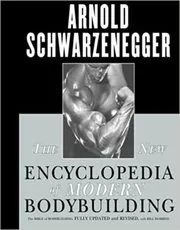
For readers who want a broad reference steeped in bodybuilding’s competitive culture. Its exercise coverage and historical perspective offer more range than a short program, but the older training and nutrition advice needs context alongside current research.
What it's about
Schwarzenegger and Bill Dobbins assemble an illustrated reference covering bodybuilding exercises, training programs, nutrition, and competitive preparation. Spanning introductory and advanced practice, the book combines technical instruction with bodybuilding history and Schwarzenegger's reflections on motivation and discipline.
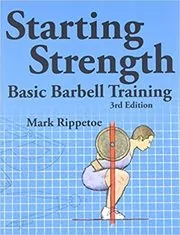
For beginners who want detailed explanations of basic barbell lifts. Its focus on mechanics gives more technical depth than most general physique guides, but the strength-centered program is not designed as a complete bodybuilding or contest-preparation system.
What it's about
Mark Rippetoe explains the mechanics and execution of basic barbell lifts, including squats, presses, deadlifts, and power cleans. Anatomical analysis, illustrations, and coaching guidance accompany a beginner training program organized around progressive increases in strength and lifting proficiency.
Also recommended by
2 people Mr. Money Mustache recommended this book
Mr. Money Mustache
"A meat’n’potatoes summary of what everyone should do to make the biggest improvements in fitness and strength in minimal time." - MMM
Mr. Money Mustache's recommendation of this book  Sahil Lavingia recommended this book
Sahil Lavingia
Sahil Lavingia recommended this book on Notion.
Sahil Lavingia's recommendation of this book
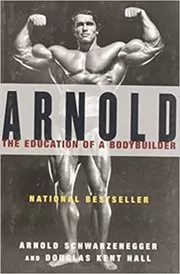
For readers interested in the ambitions and early experiences behind Schwarzenegger’s bodybuilding career. Its memoir-and-instruction blend gives training a personal context, but the historical routines are less useful as a current, individualized program.
What it's about
Schwarzenegger recounts his early enthusiasm for bodybuilding and the ambitions that drove his competitive career. Written with Douglas Kent Hall, the book combines autobiography with illustrated training guidance, connecting personal discipline with his approach to physical development.
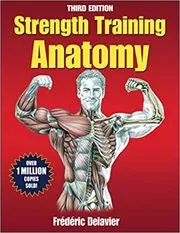
Strength Training Anatomy
For lifters who understand exercises better when they can see the muscles involved. Its anatomical drawings make movement relationships clearer than text alone, but it is a reference to consult rather than a complete bodybuilding program.
What it's about
Frederic Delavier illustrates the muscles and surrounding structures involved in strength exercises. Explanations and drawings show how movement and setup affect muscle recruitment, with coverage of bones, ligaments, tendons, connective tissue, and stretching.
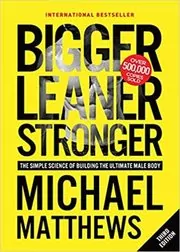
For men who want training and eating organized into an accessible starting framework. Its direct, practical approach is easier to follow than a research textbook, but readers wanting competing interpretations of the evidence need a broader reference alongside it.
What it's about
Michael Matthews presents a diet and exercise approach for men seeking muscle, strength, and fat loss. The book discusses resistance training, meal planning, recovery, supplements, and common fitness beliefs, alongside guidance for organizing a training routine.
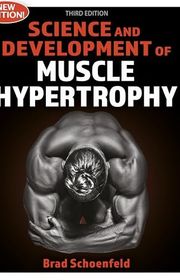
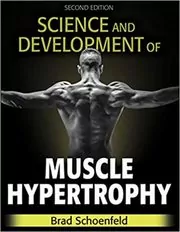
Science and Development of Muscle Hypertrophy
For coaches and serious lifters who want research explained in depth. Its focus on mechanisms and programming variables supports informed comparisons between approaches, but the technical density requires more effort than following a ready-made workout plan.
What it's about
Brad Schoenfeld examines the research on muscle growth and its application to resistance training. The third edition covers mechanisms, program design and nutritional considerations, combining research discussions with practical applications for coaches, trainers and readers seeking a technical foundation.
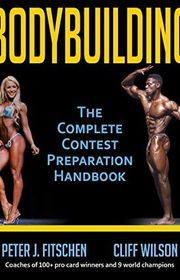
Bodybuilding: The Complete Contest Preparation Handbook
For bodybuilders preparing to compete who need more than general gym instruction. Its show-focused coverage brings the preparation process together, but the specialized material is unnecessary for many recreational lifters and still requires individual judgment.
What it's about
Peter Fitschen and Cliff Wilson guide readers through bodybuilding contest preparation. The handbook examines training, nutrition and the practical demands of presenting a physique on stage, connecting preparation decisions with the distinct requirements of competitive bodybuilding.
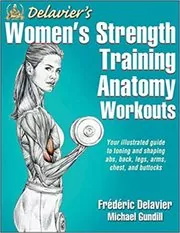
Delavier's Women's Strength Training Anatomy Workouts
For women who prefer visual explanations paired with exercise and workout ideas. Its anatomical illustrations clarify how movements involve different structures, but the targeted format is narrower than a general course in strength programming or bodybuilding science.
What it's about
Frederic Delavier and Michael Gundill combine anatomical illustrations with strength training exercises and programs for women. Instructions explain how muscles interact with joints and bones, and how changing movements can target different areas of the body.
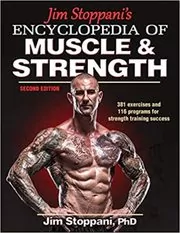
Jim Stoppani's Encyclopedia of Muscle & Strength
For lifters who want many exercise and workout options in one place. Its reference format helps compare training approaches across goals, but the large menu can leave beginners needing help choosing a manageable plan.
What it's about
Jim Stoppani presents a reference to muscle development, strength, and fat loss through exercises and ready made workouts. It covers free weights, bodyweight movements, and other equipment, with sections explaining training goals and nutrition.
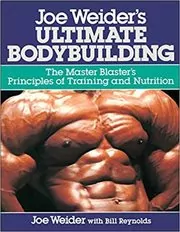
Joe Weider's Ultimate Bodybuilding
For readers interested in the training principles behind an influential bodybuilding system. Its exercises and routines give historical methods practical context, but the older nutritional and programming claims should be compared with more recent evidence.
What it's about
Joe Weider and Bill Reynolds explain the Weider System's bodybuilding principles through exercises, routines, and nutritional practices. Discussions include progressive training, responding to individual differences, varying workouts, and using techniques such as supersets.
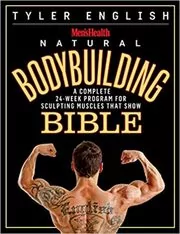
Men's Health Natural Bodybuilding Bible
A Complete 24-Week Program For Sculpting Muscles That Show
For readers interested in natural bodybuilding who want a longer, organized training plan. Its attention to posing and contest preparation goes beyond general fitness guides, but the fixed twenty-four-week structure may not match every starting point or goal.
What it's about
Tyler English presents a twenty four week diet and training program drawn from natural bodybuilding. The guide includes exercise instructions, nutrition and meal timing, cardiovascular work, contest preparation, and the choreography of posing for competition.
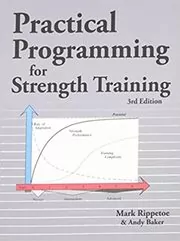
Practical Programming for Strength Training
For lifters who want to understand how programming changes as progress becomes harder. Its progression from novice to advanced training clarifies adaptation and planning, but the main target is strength performance rather than bodybuilding-specific physique development.
What it's about
Mark Rippetoe examines how strength-training plans should change as athletes move from novice to intermediate and advanced levels. Explanations of adaptation, recovery, and training stress support programming models designed around differing rates of progress and accumulated experience.
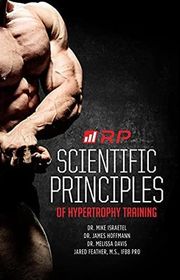
Scientific Principles of Hypertrophy Training
For lifters who already train consistently and want to understand how a growth-focused program fits together. Its principles-based explanations support troubleshooting and adjustment, but the detailed framework requires more interpretation than a beginner schedule.
What it's about
Mike Israetel and his coauthors analyze principles for organizing training when muscle growth is the goal. Explanations and practical examples consider how to build, modify and evaluate programs, connecting training choices with individual circumstances and competing demands.
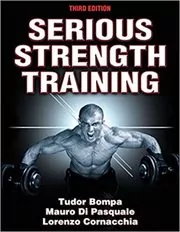
Serious Strength Training
For experienced lifters who want to organize training into planned phases. Its periodization framework gives longer-term structure beyond individual workouts, but the technical detail and broader strength focus make it less suitable as a first bodybuilding book.
What it's about
Tudor Bompa, Mauro Di Pasquale, and Lorenzo Cornacchia organize strength training into six phases, from anatomical adaptation through transition. Exercise selection, recovery, nutrition, and program design explain how readers can tailor training around their goals and individual needs.
The Muscle and Strength Pyramid: Training
For lifters who want to prioritize the variables in a training program. Its hierarchical framework helps organize decisions without treating every detail as equally important, but the principles still require judgment when building a routine for your circumstances.
What it's about
Eric Helms, Andy Morgan and Andrea Valdez organize strength and muscle-building training through a hierarchy of priorities. The third edition explains how major training variables fit together, helping readers structure programs and evaluate decisions rather than chase isolated techniques.
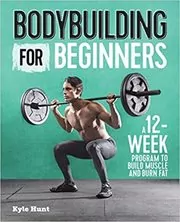
For newcomers who want a defined program rather than an encyclopedia of choices. Its twelve-week structure and illustrated instructions reduce the initial planning burden, but a fixed schedule still needs adapting to experience, equipment and recovery.
What it's about
Kyle Hunt introduces bodybuilding through a twelve week training program and illustrated exercise instructions. The guide includes lifting movements, warm ups, cool downs, nutrition principles, meal ideas, and preparation tips for readers beginning a structured routine.
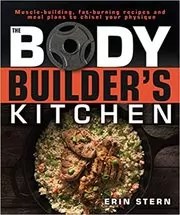
The Bodybuilder's Kitchen
100 Muscle-Building, Fat Burning Recipes, with Meal Plans to Chisel Your Physique
For lifters who need meal ideas more than another exercise manual. Its recipes and phase-based meal plans make food preparation concrete, but preset approaches cannot account for everyone’s dietary preferences, energy needs or training demands.
What it's about
Erin Stern combines one hundred recipes with meal plans for different bodybuilding phases and dietary approaches. Nutrition panels and guidance on meal timing accompany options for bulking, cutting, ketogenic eating, calorie cycling, and carbohydrate cycling.
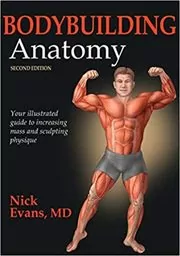
Bodybuilding Anatomy
For lifters who want to connect exercise variations with specific muscle groups. Its bodybuilding-focused illustrations help compare movement choices, but the visual reference format offers less guidance on how to organize a complete training cycle.
What it's about
Nick Evans pairs anatomical illustrations with instructions for bodybuilding exercises and their variations. Organized by major muscle group, the book shows which muscles movements engage and connects exercise choices with the muscular demands of competition poses.
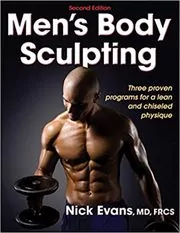
Men's Body Sculpting
For men who want physique goals separated into distinct training phases. Its program-based organization makes changing priorities easier to follow, but the older material and broad diet guidance need adapting rather than treating the routines as universal.
What it's about
Nick Evans organizes bodybuilding into programs for gaining mass, reducing fat, refining physique, and maintaining results. Exercise routines are accompanied by discussions of nutrition, supplements, training intensity, and adapting workouts as a reader's goals change.
Sources
- 1
10 Best Bodybuilding Books of 2026 (Must-Read List)
fitnessvolt.com
- 2
10 Best Bodybuilding Books (2026) From Beginner to Pro
totalshape.com
- 3
The 10 Best Bodybuilding Books
jackedgorilla.com
- 4
13 Best Bodybuilding Books
origym.co.uk
- 5
Bodybuilding Books
goodreads.com
- 6
Favorite body building books
reddit.com
- 7
The best sources of knowledge for learning about bodybuilding and nutrition - to read.
reddit.com
- 8
100 Best Bodybuilding Books of All Time
shortform.com

Edited by
Software engineer whose passion for tracking book recommendations from podcasts inspired the creation of MRB.
Lead investor at 3one4 Capital whose startup expertise and love for books helped shape MRB and its growth.
Comments
Spotted a missing book, a wrong order or a mistake? Tell us and we'll fix this page.
We're a reading guide, not the author or publisher, so we can't send books or pass on messages.