
14 Best Stretching Books
The best stretching books, ranked by how many expert sources recommend each one, with notes on who each guide suits, its training focus and where to start.
Our take
Stretching books can help you understand positions, compare techniques and organize a practice around a particular activity. They differ in how much they explain anatomy, how they structure routines and whether they address everyday movement or demanding sport goals. Some focus closely on individual muscles, while others combine flexibility with strength, mobility or a wider movement system.
Stretching offers illustrated routines for familiar activities, and Better Stretching provides a compact daily structure. The Anatomy of Stretching and Stretching Anatomy emphasize the muscles involved in each movement. Readers who want more explanation of training methods can turn to Stretching Scientifically, while Stretching & Flexibility follows a sequence of lessons. Ultimate Flexibility is directed toward martial arts goals, and Anatomy Trains is a technical framework for professionals rather than a beginner exercise plan. Choose the format you can follow carefully and distinguish general instruction from guidance tailored to your circumstances. Start with Stretching for simple routines or Science of Stretch for illustrated explanations.
14 books · 6 sources · Last updated
As an Amazon Associate, we earn from qualifying purchases (at no extra cost to you).
How to choose from this list
Skip to the full rankingIf you want simple everyday routines: Stretching → Better Stretching
If you learn through anatomy drawings: The Anatomy of Stretching → Stretching Anatomy
If you want explanations and variations: Science of Stretch
If you prefer a structured course: Stretching & Flexibility
If you want athletic training principles: Stretching Scientifically
If you train in martial arts: Ultimate Flexibility
The 14 books, ranked
Ranked by how many expert sources name each book. Ties go to the book more people recommend.

Anatomy Trains
Myofascial Meridians for Manual Therapists and Movement Professionals
For movement professionals interested in a whole-body framework for fascia. Its proposed myofascial pathways offer a different perspective from muscle-by-muscle stretch guides, though the technical discussion and model-based interpretation make it unsuitable as a simple beginner routine.
What it's about
Thomas Myers presents his model of interconnected myofascial pathways and applies it to movement, posture, and physical assessment. Anatomical illustrations and clinical discussions explain the proposed relationships between distant body regions for manual therapists and movement professionals.
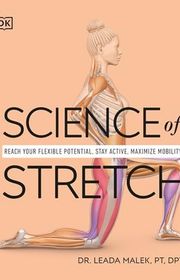
Science of Stretch
For readers who want accessible explanations paired with detailed movement illustrations. Its combination of anatomy and practical variations bridges theory and routine books, though the wide coverage cannot replace individualized assessment for particular limitations.
What it's about
Leada Malek introduces the anatomy and mechanics behind stretching through illustrated explanations and practical movements. The guide connects different techniques and variations with muscles, joints and mobility, helping readers understand the reasoning behind a stretching practice.
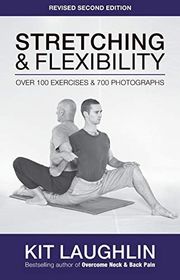
Stretching & Flexibility
For readers who prefer a course of lessons to an exercise directory. Its progressive structure and detailed cues encourage deliberate practice, though some methods involve partners and the text asks for more time than a quick daily routine.
What it's about
Kit Laughlin organizes flexibility training into sixteen lessons with more than one hundred exercises. Photographs, anatomical illustrations and detailed cues explain movements and variations, with beginner, intermediate and advanced versions and groupings for different sports or activities.
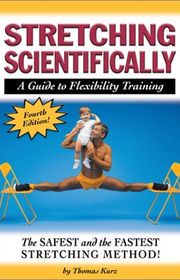
Stretching Scientifically
For athletes and coaches who want to understand how different stretching methods fit into training. Its emphasis on sequencing and technique gives more programming detail than a picture guide, though the dense, older presentation requires careful reading.
What it's about
Thomas Kurz explains flexibility training through different stretching methods, exercise sequencing and sport-oriented applications. The fourth edition combines illustrations with questions and answers about training choices, helping readers understand the approach behind its routines rather than just collect individual stretches.

The Anatomy of Stretching
Your Illustrated Guide to Flexibility and Injury Rehabilitation
For visual learners who want to see which muscles a stretch targets. Its body-region organization makes it a useful reference beside a routine, though static illustrations cannot show every positioning error or determine what suits an individual.
What it's about
Brad Walker explains stretching methods through anatomical illustrations showing the muscles involved in each movement. The guide combines individual exercises with warm-up and cool-down guidance, sport-specific recommendations, and discussions of flexibility, injury prevention, and rehabilitation.

For martial artists who want flexibility work connected to kicking and splits. Its sport-specific plans offer more focused training context than everyday stretch guides, though the demanding goals and exercise volume are less suited to casual movement breaks.
What it's about
Sang Kim examines stretching as part of martial arts training, explaining flexibility methods before presenting nearly 200 exercises. Photographs, workout plans, and difficulty guidance connect individual stretches with goals such as high kicks and full splits.

Delavier's Stretching Anatomy
For readers who want detailed drawings to understand muscle positioning during stretches. Its visual explanations and sport-oriented programs offer a different entry from a lesson-based course, though the anatomical detail can exceed what a casual beginner needs.
What it's about
Frédéric Delavier and his coauthors illustrate stretches for the major regions of the body, showing the muscles involved. Explanations and programs connect the movements with general flexibility practice and the demands of a range of sports.
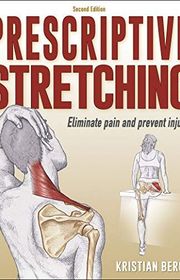
Prescriptive Stretching
For readers who want stretches grouped around particular body regions and everyday movement concerns. Its ready-made sequences make it convenient to consult, though symptom-focused organization cannot establish the cause of discomfort or suit every individual.
What it's about
Kristian Berg presents illustrated stretches and sequences organized around body regions and common movement concerns. The second edition includes unassisted and partner methods alongside techniques using a tennis ball, combining anatomical explanations with step-by-step positioning instructions.

Stretching
For beginners who want clear drawings and routines organized around daily activities or sports. Its practical layout makes selecting a short session easier than a theory-heavy text, though the older approach offers limited discussion of individualized progression.
What it's about
Bob Anderson presents illustrated stretching instructions and routines organized around everyday activities and sports. The guide explains how to approach stretches and includes sequences for varied circumstances, helping readers select movements suited to their activities and abilities.
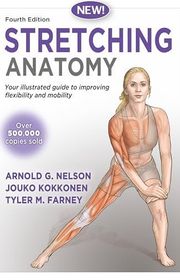
Stretching Anatomy
For readers who want an illustrated muscle reference alongside practical stretch instructions. Its anatomy-first presentation makes target areas easy to compare, though learning from a static image still requires attention to positioning and personal range of motion.
What it's about
Arnold Nelson and Jouko Kokkonen present stretches with anatomical illustrations showing the muscles involved. The fourth edition organizes movements by body region and connects technique descriptions with variations and practical applications for different flexibility and activity goals.

Stretching to Stay Young
Simple Workouts to Keep You Flexible, Energized, and Pain Free
For readers who want an approachable practice with options for different abilities. Its adaptable routines provide more structure than browsing isolated exercises, though the upbeat framing offers less depth for athletic goals or complex movement limitations.
What it's about
Jessica Matthews presents illustrated stretches and adaptable routines for incorporating movement into daily life. Explanations of positioning and preparation accompany suggestions for changing intensity, allowing readers to organize a stretching practice around their abilities and goals.

For readers who prefer a yoga-based approach that combines poses, strength and relaxation. Its broad pose selection offers variety beyond isolated stretches, though it gives less focused guidance on flexibility programming than the specialist stretching books.
What it's about
Susan Hollister introduces a selection of yoga poses aimed at developing flexibility, strength, and relaxation. This practical guide discusses incorporating yoga into everyday life and adapting a practice to different abilities, physical limitations, and available time.

Stretching for Beginners
Improve Flexibility and Relieve Aches and Pains with 100 Exercises and 25 Simple Routines
For readers who want a straightforward first collection of stretches and ready-made routines. Its organization by body area makes the exercises easy to locate, though the broad beginner coverage leaves less space for detailed training principles.
What it's about
Natasha Diamond-Walker and Philip Striano introduce stretching with illustrated instructions organized by body region. The guide explains breathing and technique, then provides routines for everyday use, activity preparation, and addressing areas that commonly feel tight or uncomfortable.

Better Stretching
9 Minutes a Day to Greater Flexibility, Less Pain, and Enhanced Performance, the JoeTherapy Way
For readers who want a short daily structure rather than a large exercise encyclopedia. Its combination of mobility, strengthening and self-massage makes sessions varied, though the compact format gives less depth on training theory and individual limitations.
What it's about
Joe Yoon combines stretching, mobility, strengthening, and self-massage in a practical exercise guide. Photographs demonstrate movements, while short daily sessions and three structured plans help readers organize routines around their chosen flexibility and performance goals.
Sources
- 1
100 Best Stretching Books of All Time
shortform.com
- 2
Top 10 Best Stretching and Flexibility Books Ever Written
stretchcoach.com
- 3
Stretching Books
goodreads.com
- 4
Can anyone recommend a straightforward, concise guide to the general science of stretching?
reddit.com
- 5
Stretching and Flexibility Books by Kit Laughlin
stretchtherapy.net
- 6
Can anybody suggest any good paperback books for flexibility?
reddit.com







Edited by
Software engineer whose passion for tracking book recommendations from podcasts inspired the creation of MRB.
Lead investor at 3one4 Capital whose startup expertise and love for books helped shape MRB and its growth.
Comments
Spotted a missing book, a wrong order or a mistake? Tell us and we'll fix this page.
We're a reading guide, not the author or publisher, so we can't send books or pass on messages.