
25 Best Slavery Books
The best books on slavery, ranked by how many expert sources recommend each one, with notes on memoirs, historical studies, and where readers should start.
Our take
Books about slavery ask how institutions of coercion operated and how people lived, resisted, and sought freedom within them. Most of these works focus on the Atlantic world and the Americas. They range from accounts written by people who experienced enslavement to studies of markets, households, universities, and the struggles surrounding emancipation.
Narrative of the Life of Frederick Douglass, Incidents in the Life of a Slave Girl, and Twelve Years A Slave offer distinct personal perspectives. Inhuman Bondage provides a broader historical framework, while Many Thousands Gone examines change across North America’s regions and generations. Soul by Soul focuses on the slave market, and Closer to Freedom investigates everyday resistance among enslaved women. Books such as How the Word Is Passed turn to the ways slavery is remembered and represented today.
Start with a personal narrative if you want an individual voice, then choose a broader history or a focused study to place that experience in context.
25 books · 12 sources · Last updated
As an Amazon Associate, we earn from qualifying purchases (at no extra cost to you).
How to choose from this list
Skip to the full rankingIf you want firsthand accounts: Narrative of the Life of Frederick Douglass → Incidents in the Life of a Slave Girl → Twelve Years A Slave
If you want a broader Atlantic framework: Inhuman Bondage → Capitalism and Slavery
If you want to study the Middle Passage: The Slave Ship → Saltwater Slavery
If you want enslaved women’s experiences: Ar'n't I a Woman? → Closer to Freedom → Out of the House of Bondage
If you want colonial North American history: American Slavery, American Freedom → Many Thousands Gone
If you want to examine memory and inheritance: How the Word Is Passed → Lose Your Mother
The 25 books, ranked
Ranked by how many expert sources name each book. Ties go to the book more people recommend.

Narrative of the Life of Frederick Douglass
For readers beginning with firsthand testimony and the role of literacy in resistance. Douglass’s concise account connects personal experience with abolitionist argument, though its deliberate public purpose makes it different from an unfiltered private memoir.
What it's about
Frederick Douglass recounts his childhood in Maryland, the brutality of enslavement and his pursuit of literacy and freedom. This first autobiography uses firsthand experience to expose slavery's violence and support the abolitionist movement's case against the institution.
Also recommended by
1 person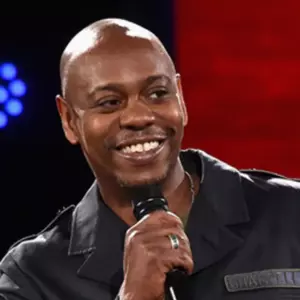 Dave Chappelle recommended this book
Dave Chappelle
"My favorite book of all time." - Dave Chappelle
Dave Chappelle's recommendation of this book

Twelve Years A Slave
For readers who want a detailed firsthand account of plantation slavery from someone abducted after living free. Northup describes labor and relationships closely, though the sustained accounts of violence make this demanding reading.
What it's about
Solomon Northup recounts being abducted from a free life in New York and sold into slavery in Louisiana. His memoir documents twelve years of forced labor, plantation life, violence, and the daily experiences of enslaved people.
Incidents in the Life of a Slave Girl
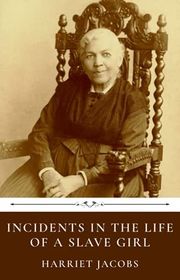
For readers who want firsthand testimony centered on an enslaved woman’s family responsibilities and vulnerability to sexual coercion. Jacobs adds a perspective distinct from Douglass’s narrative, though her appeal to nineteenth-century readers shapes the presentation.
What it's about
Harriet Jacobs recounts enslavement, sexual harassment, motherhood, and her struggle to secure freedom for herself and her children. Published under the name Linda Brent, the narrative connects personal experience with an appeal against slavery and its effects on families.

For readers who want to understand how a slave market operated through interactions among people. Johnson connects commercial records with lived experience, though the close study of New Orleans requires sustained attention to disturbing details of sale and coercion.
What it's about
Walter Johnson investigates the antebellum slave market in New Orleans through court records, financial documents, letters, and narratives. He examines the interactions of traders, buyers, and enslaved people, connecting the trade's economics with racism, power, and resistance.

For readers who want the Atlantic crossing studied as a social world with captives, sailors, and captains. Rediker combines shipboard detail with the trade’s wider structures, though the concentrated violence makes it emotionally difficult reading.
What it's about
Marcus Rediker reconstructs life aboard Atlantic slave ships through the experiences of captains, sailors, and enslaved Africans. His history examines violence, resistance, and survival, placing these vessels at the center of slavery’s development and its enduring social consequences.
Also recommended by
1 person Rutger Bregman recommended this book
Rutger Bregman
"Wonderful book." - Rutger Bregman
Rutger Bregman's recommendation of this book

For readers who want to see how North American slavery changed across regions and generations. Berlin’s broad comparison counters a single plantation stereotype, though its substantial scope and scholarly detail require more time than a personal narrative.
What it's about
Ira Berlin traces African American life during the first two centuries of slavery in North America. He examines successive generations of enslaved people, their work, communities, and struggles, showing how slavery and Black society changed across regions and time.
Never Caught
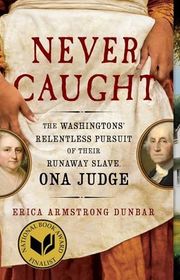
For readers who want a focused biography that tests familiar stories about the founding generation. Ona Judge’s pursuit of freedom gives the institutional history a personal scale, though the surviving evidence limits access to her private thoughts.
What it's about
Erica Armstrong Dunbar reconstructs the life of Ona Judge, enslaved in George and Martha Washington’s household. Her escape from Philadelphia and the Washingtons’ efforts to recapture her illuminate the persistence of slavery within the nation’s celebrated founding story.

For readers interested in the relationship between slavery’s expansion and economic development. Baptist makes a sustained argument about American capitalism, though the economic emphasis is best read alongside histories of politics, community, and resistance.
What it's about
Edward Baptist argues that slavery's expansion after American independence helped drive the growth of American capitalism. Testimonies, plantation records, newspapers, and political writings connect the cotton economy's development with the exploitation and experiences of enslaved people.

The Interesting Narrative of the Life of Olaudah Equiano, or Gustavus Vassa, the African
For readers wanting an eighteenth-century account with a wider Atlantic and maritime reach than the American plantation narratives. Equiano joins personal experience to antislavery argument, though travel and religious reflection occupy substantial space alongside enslavement.
What it's about
Olaudah Equiano recounts childhood abduction, enslavement, maritime journeys, and his efforts to secure freedom. His eighteenth-century autobiography combines personal, spiritual, and travel experiences with an account of slavery and the life of an antislavery advocate.

Ar'n't I a Woman?
For readers seeking a foundation in the history of enslaved women and their communities. White examines the intersection of race and gender directly, though the plantation-South focus does not represent every setting in which women experienced enslavement.
What it's about
Deborah Gray White explores the lives of enslaved women in the plantation South, examining family, community, labor, and the stereotypes imposed on them. The study also considers the changes and continuing struggles surrounding emancipation and Reconstruction.
Capitalism and Slavery
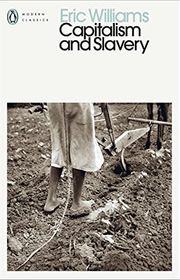
For readers studying economic explanations of Britain’s involvement in slavery and abolition. Williams provides a concise, influential argument that later scholarship engages with, though its thesis-driven approach should be distinguished from a comprehensive account of every cause.
What it's about
Eric Williams argues that the Atlantic slave trade and enslaved labor were central to Britain’s economic development. His study traces relationships among commerce, racial ideology, industrialization, and abolition, challenging accounts that explain emancipation primarily through humanitarian progress.

How the Word Is Passed
For readers who want to connect historical study with places and stories encountered today. Smith makes public memory accessible through visits and conversations, though the selected sites provide a reflective journey rather than a comprehensive chronological survey.
What it's about
Clint Smith visits plantations, monuments, prisons, and other sites connected to slavery, examining how they present the past. Interviews and historical research explore the relationship between evidence, commemoration, omission, and the stories communities tell about American history.
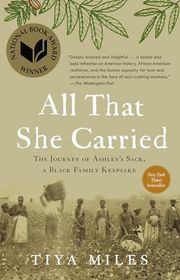
All That She Carried
For readers drawn to family history and what a surviving object can reveal when written records are scarce. Miles follows women’s relationships through material evidence, though the method involves interpretation where individual lives cannot be fully recovered.
What it's about
Tiya Miles investigates a cotton sack associated with an enslaved mother, Rose, and her daughter Ashley. Following the object across generations, she examines family separation, care, memory, and the possibilities and limits of reconstructing lives left sparsely documented.
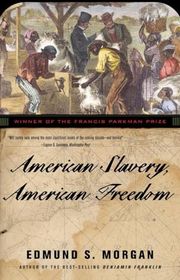
American Slavery, American Freedom
For readers who want to examine the relationship between republican liberty and racial slavery through colonial Virginia. Morgan develops a focused historical argument, though the regional concentration needs complementing with accounts from other colonies and communities.
What it's about
Edmund Morgan investigates how slavery developed in Virginia alongside political claims about liberty. Following the colony’s social and economic changes, he examines the connections between racial enslavement and the freedom asserted by white Virginians in the revolutionary era.
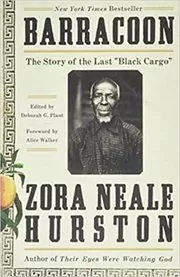
For readers wanting oral testimony that reaches from African captivity into life after American slavery. Hurston’s interviews preserve a distinctive individual voice, though the narrated dialect and the distance between experience and recollection ask careful reading.
What it's about
Based on Hurston's interviews with Cudjo Lewis, this book preserves a firsthand account of capture in Africa, the Middle Passage, slavery, and life after emancipation. It is intimate, painful, and historically invaluable.
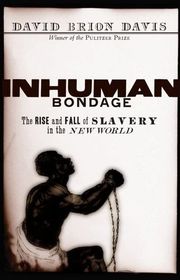
Inhuman Bondage
For readers wanting a broad account of slavery and antislavery across the New World. Davis connects institutions, ideas, and political conflict, though the wide synthesis moves between places and periods and requires attentive reading.
What it's about
David Brion Davis surveys slavery in the New World, placing the American South within a broader Atlantic history. The book connects the slave trade, plantation life, racial ideas, resistance, and abolitionist movements with political and intellectual struggles over freedom.
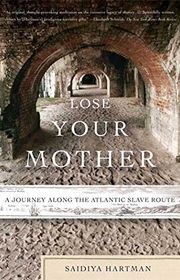
Lose Your Mother
For readers interested in how slavery disrupted kinship and the possibility of tracing ancestry. Hartman combines historical inquiry with a personal journey in Ghana, though the reflective, nonlinear form differs from a conventional historical survey.
What it's about
Saidiya Hartman follows a slave route through Ghana while reflecting on the breaks in her own genealogy. The book combines travel, history, and encounters with the present to examine displacement, lost kinship, and the enduring effects of the Atlantic trade.
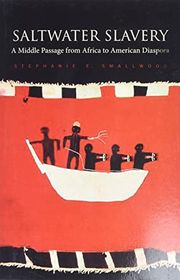
Saltwater Slavery
For readers who want to follow the transformation of captive people into commodities across the Atlantic passage. Smallwood keeps human dislocation central to the analysis, though the close archival interpretation is more demanding than a broad introductory survey.
What it's about
Stephanie Smallwood follows enslavement from the African Gold Coast through captivity, the Middle Passage, and sale in the Americas. Using trade records and other evidence, she examines commodification, displacement, and captives’ efforts to make sense of an unfamiliar world.

The Price for Their Pound of Flesh
For readers who want to understand how enslavement assigned financial value across a person’s life. Berry connects market calculations with human experience, though the discussion of bodies, death, and exploitation makes its focused analysis difficult to read.
What it's about
Daina Ramey Berry examines the monetary values assigned to enslaved people at different stages of life and after death. Her study connects slaveholders’ calculations with the people subjected to them, investigating the economic reach and human consequences of commodification.
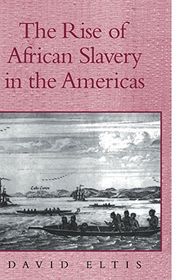
The Rise of African Slavery in the Americas
For readers studying why racial slavery expanded within the Atlantic world. Eltis examines identity and the interactions of African and European societies, though the interpretive argument is more demanding than a narrative introduction to the trade.
What it's about
David Eltis investigates the development of African slavery in the Americas and the English Atlantic system. He examines interactions between African and European societies, the growth of racial boundaries, and the coexistence of expanding claims to freedom with enslavement.

They Were Her Property
For readers examining white women’s direct participation in the slave economy. Jones-Rogers focuses on ownership, management, and market activity, though this is a concentrated argument about slaveholders rather than a general history of enslaved women’s lives.
What it's about
Stephanie Jones-Rogers investigates white women’s ownership and management of enslaved people in the American South. Drawing on varied records, she examines their economic decisions, involvement in slave markets, and participation in the violence and profits of slavery.

Closer to Freedom
Enslaved Women and Everyday Resistance in the Plantation South
For readers who want to understand resistance beyond open rebellion or escape. Camp’s attention to movement, space, and everyday choices brings enslaved women’s agency into focus, though the analytical framework assumes some familiarity with slavery’s broader history.
What it's about
Stephanie Camp examines everyday resistance among enslaved women in the plantation South. Focusing on movement, space, bodies, objects, and information, she explores how private activities and challenges to confinement created a culture of opposition to slavery.

Ebony and Ivy
Race, Slavery, and the Troubled History of America's Universities
For readers investigating slavery’s connections with institutions beyond plantations. Wilder makes higher education central to the story of exploitation and racial ideas, though the university focus provides a specialized study rather than an overall history of enslavement.
What it's about
Craig Steven Wilder investigates the intertwined histories of slavery, racism, and American higher education. He examines how enslaved labor and the wealth of slaveholders supported colleges, while academic institutions helped develop ideas that justified racial exploitation.

For readers interested in what freedom meant after legal emancipation. Foner connects labor and political struggles across several societies, though the comparative argument is easier to follow with some background in slavery and Reconstruction.
What it's about
Eric Foner examines emancipation and Reconstruction through changes in labor, land, and political power. Comparisons with Haiti, the British Caribbean, and Africa place the experiences of formerly enslaved people in the American South within a broader struggle over freedom’s meaning.

For readers who want the plantation household examined as a workplace structured by power and violence. Glymph centers conflict between enslaved women and mistresses, though the concentrated subject offers less geographical range than a broad survey.
What it's about
Thavolia Glymph examines plantation households as workplaces shaped by conflict between enslaved women and white mistresses. She challenges sentimental accounts of domestic slavery, exploring power, violence, gender, and the transformation of household relations during emancipation.
Sources
- 1
Books on Slavery and Freedom in the Making of America
history.washington.edu
- 2
The Litfest Atlantic Slave Trade Reading List
litfest.org
- 3
15 Essential Books About Slavery in America
explorethearchive.com
- 4
Slavery Books
goodreads.com
- 5
I want to know about lives of slaves in America
reddit.com
- 6
Any good historical books on the topic of slavery, especially in Louisiana and Mississippi?
reddit.com
- 7
Bibliography: Nearly Three Centuries of Enslavement
abhmuseum.org
- 8
Teaching and Learning About American Slavery: Educational Resources for All
whitneyplantation.org
- 9
Slavery in America: A Resource Guide: Print Resources
guides.loc.gov
- 10
Ten Books on Slavery You Need to Read
politico.com
- 11
The Transatlantic Slave Trade: Books by Topic
libguides.utsa.edu
- 12
The best books on The Slave Trade
fivebooks.com







Edited by
Software engineer whose passion for tracking book recommendations from podcasts inspired the creation of MRB.
Lead investor at 3one4 Capital whose startup expertise and love for books helped shape MRB and its growth.
Comments
Spotted a missing book, a wrong order or a mistake? Tell us and we'll fix this page.
We're a reading guide, not the author or publisher, so we can't send books or pass on messages.