
10 Best Sports Psychology Books
The best sports psychology books, ranked by how many expert sources recommend each one, with notes on who each suits, from competing athletes to students.
Our take
Sports psychology books explore how attention, confidence, motivation, and relationships affect the experience of training and competition. Some offer exercises an athlete can try alongside practice. Others investigate performance through interviews and research, or introduce the theories students and practitioners study. A demanding coaching philosophy and an academic textbook can both be interesting, but they answer different questions.
The Champion's Mind and Mind Gym are practical starting points for athletes. The Inner Game of Tennis takes a focused approach to attention and self-judgment, while Endure investigates the limits experienced in endurance sport. Mind Games brings an Olympian’s perspective to the mental demands of competition. For a wider view of routines and recovery, try Peak Performance; for a course-like foundation, choose Sport Psychology or Foundations of Sport and Exercise Psychology. Start with the challenge you recognize in your own training, then choose between practical exercises, personal reporting, and systematic study.
10 books · 9 sources · Last updated
As an Amazon Associate, we earn from qualifying purchases (at no extra cost to you).
How to choose from this list
Skip to the full rankingIf you want practical mental skills: The Champion's Mind → Mind Gym
If you struggle with overthinking: The Inner Game of Tennis
If you want to understand endurance: Endure → Mind Games
If you want sustainable performance habits: Peak Performance
If you’re studying the field: Sport Psychology → Foundations of Sport and Exercise Psychology
The 10 books, ranked
Ranked by how many expert sources name each book. Ties go to the book more people recommend.
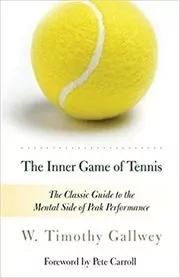
The Inner Game of Tennis
The Classic Guide to the Mental Side of Peak Performance
For athletes who want to examine attention and self-criticism through a clear sporting example. Its tennis-based framework is easy to revisit, though applying it to other sports requires adaptation and it is not a comprehensive psychology text.
What it's about
Timothy Gallwey explores the mental obstacles that interfere with tennis performance, including self-doubt and lapses in concentration. He explains how relaxed attention and trust in the body's abilities can support learning and better play.
Also recommended by
4 people Patrick Collison recommended this book
Patrick Collison
"A really good book that I very highly recommend." - Patrick Collison
Patrick Collison's recommendation of this book  Dave Elitch recommended this book
Dave Elitch
"It had a huge effect." - Dave Elitch
Dave Elitch's recommendation of this book  Ryan Shea recommended this book
Ryan Shea
Ryan Shea recommended this book on his website.
Ryan Shea's recommendation of this book  Bill Gates recommended this book
Bill Gates
"Gives excellent advice about how to move on constructively from mistakes, which I’ve tried to follow both on and off the court over the years." - Bill Gates
Bill Gates's recommendation of this book
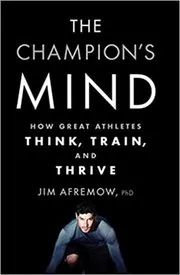
For athletes who want an accessible set of ideas for confidence, focus, and preparation. Its practical orientation makes it easier to use than a textbook, though the many short lessons offer less depth on underlying research.
What it's about
Sports psychologist Jim Afremow offers guidance on the mental side of athletic performance. Advice on entering the zone, contributing to a team, and developing personal routines addresses athletes seeking consistency and sustained progress in their sport.
Also recommended by
1 person Katrín Davíðsdóttir recommended this book
Katrín Davíðsdóttir
"It got me focusing on giving my absolute best in any given situation without the pressure of constantly stacking myself up to others." - Katrín Davíðsdóttir
Katrín Davíðsdóttir's recommendation of this book
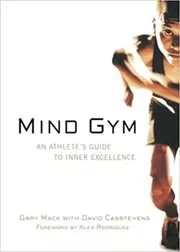
For athletes who prefer short lessons they can revisit during a season. Its examples and exercises make mental skills approachable, though the compact format gives less context and evidence than an academic introduction.
What it's about
Gary Mack and David Casstevens explore the mental side of athletic performance through forty lessons and stories from prominent competitors. Exercises address confidence, focus, pressure, and the psychological habits that support preparation and performance.
Also recommended by
1 person Michael Gervais recommended this book
Michael Gervais
"Strips down the esoteric nature of applied sport psychology." - Michael Gervais
Michael Gervais's recommendation of this book
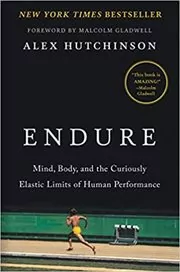
For endurance athletes and curious readers who want an investigation of performance limits. Its reporting connects research with compelling examples, though it asks more questions about fatigue than it provides a ready-made mental-training program.
What it's about
Alex Hutchinson investigates the physical and psychological limits of endurance. Combining scientific research with accounts of athletes and adventurers, he explores fatigue and the brain's role in determining how far people believe their bodies can go.
Also recommended by
2 people Noah Kagan recommended this book
Noah Kagan
"He breaks down the myths and facts of endurance athletes. Focuses on the science and lesser-known facts." - Noah Kagan
Noah Kagan's recommendation of this book  Daniel Gross recommended this book
Daniel Gross
"If you like any form of endurance cardio, this book will be like crack candy for you." - Daniel Gross
Daniel Gross's recommendation of this book
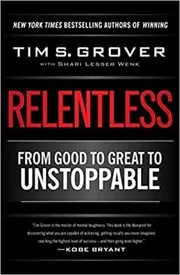
For readers motivated by a demanding coach’s account of elite competition. Its blunt emphasis on standards gives it a distinct voice, though its relentless approach is a personal philosophy rather than a balanced psychology textbook.
What it's about
Tim Grover draws on coaching elite basketball players to explain his approach to sustained performance. He discusses preparation, pressure, instinct, and demanding personal standards, outlining the mental qualities he believes distinguish exceptional competitors from merely talented ones.
Also recommended by
2 people Anthony Pompliano recommended this book
Anthony Pompliano
"One of the most underrated books in the world." - Anthony Pompliano
Anthony Pompliano's recommendation of this book  Tom Bilyeu recommended this book
Tom Bilyeu
Tom Bilyeu recommended this book on his website.
Tom Bilyeu's recommendation of this book
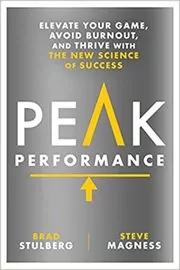
Peak Performance
Elevate Your Game, Avoid Burnout, and Thrive with the New Science of Success
For athletes who want performance considered alongside recovery and sustainable routines. Its wider view provides a counterweight to constant-intensity advice, though examples from several fields make it less specific to any one sport.
What it's about
Brad Stulberg and Steve Magness combine research with stories of athletes, artists, and intellectual performers to examine sustainable achievement. They explore the balance of demanding work and recovery, productive routines, and purpose that extends beyond oneself.
Also recommended by
1 person Dustin Moskovitz recommended this book
Dustin Moskovitz
"Sharpen the saw." - Dustin Moskovitz
Dustin Moskovitz's recommendation of this book

Foundations of Sport and Exercise Psychology
For students who want a substantial introduction grounded in the field’s theories and research. Its broad textbook structure gives more systematic coverage than athlete-focused guides, though the length and academic detail demand sustained study.
What it's about
Robert Weinberg and Daniel Gould introduce psychological concepts relevant to sport and exercise. The textbook examines motivation, personality, group processes, performance skills, and wellbeing, connecting research with applied examples, learning activities, and questions for further study.
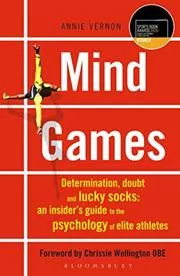
Mind Games
For readers who want an athlete’s experience combined with interviews about elite performance. Its personal perspective gives motivation and pressure a human context, though it is more investigation than a structured course in mental skills.
What it's about
Olympic rower Vernon investigates the psychology of elite sport through personal experience and interviews with athletes, coaches and specialists. She explores motivation, confidence, nerves, teamwork and competition, asking how performers manage the mental demands of achievement.
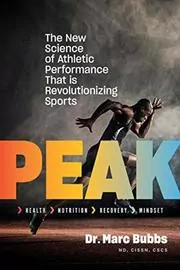
For readers who want mindset placed alongside training, nutrition, and recovery. Its integrated perspective connects areas that narrower mental-game books separate, though the breadth leaves less space for detailed sport psychology theory.
What it's about
Bubbs brings together nutrition, training, recovery and mindset in an integrated approach to athletic performance. Drawing on research and expert interviews, he discusses sleep, fueling, individualized preparation and emotional intelligence across endurance, strength and team sports.
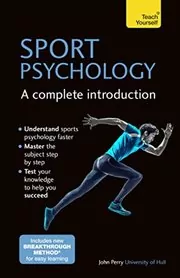
For students and coaches who want an organized introduction to the field. Its summaries and questions provide more study structure than a motivational book, though readers seeking a quick set of performance exercises may find it more theoretical.
What it's about
Perry introduces sports psychology through theory and practical applications. Topics include motivation, confidence, mental toughness and personality, followed by assessment, psychological skills, group dynamics and coping techniques, with summaries and questions designed to support learning.
Sources
- 1
Sport Psychology
goodreads.com
- 2
Beyond Playbooks: Sport Psychology Books Worth Your Shelf Space
sportspsychology.org
- 3
The Best Sports Psychology Books
fivebooks.com
- 4
100 Best Sports Psychology Books of All Time
shortform.com
- 5
Sport Psychology Book Recommendation Thread
reddit.com
- 6
Need Recommendations for Sports Psychology books!
reddit.com
- 7
The best sports psychology books for the mindful athlete
220triathlon.com
- 8
20 Best Sports Psychology Books for Athlete's Mindset
positivepsychology.com
- 9
Best Sports Psychology Books for Athletes
goaliecoaches.com
Edited by
Software engineer whose passion for tracking book recommendations from podcasts inspired the creation of MRB.
Lead investor at 3one4 Capital whose startup expertise and love for books helped shape MRB and its growth.
Comments
Spotted a missing book, a wrong order or a mistake? Tell us and we'll fix this page.
We're a reading guide, not the author or publisher, so we can't send books or pass on messages.