
26 Best Marathon Books
The best marathon books, ranked by how many expert sources recommend each one, with notes for choosing training guides, mental preparation, memoirs, and running stories.
Our take
Marathon books can explain preparation for the distance, explore the mental side of endurance, or offer stories that keep running interesting between training sessions. Those are different jobs. A memoir can provide perspective, but a practical training book is more useful when your question concerns how a program is organized and what its demands will be.
Marathon: The Ultimate Training Guide offers a broad introduction to preparation, while Advanced Marathoning is aimed at runners ready for a more demanding approach. Daniels' Running Formula explains training principles across distances, and Hansons Marathon Method develops a particular marathon system. For racing experience, 26 Marathons follows Meb Keflezighi's career; Let Your Mind Run connects competition with mental habits. What I Talk About When I Talk About Running is a quieter personal reflection. Start with Higdon for a general orientation, then compare another training approach with your experience and available time before choosing the book you will work through.
26 books · 10 sources · Last updated
As an Amazon Associate, we earn from qualifying purchases (at no extra cost to you).
How to choose from this list
Skip to the full rankingIf you want a broad training introduction: Marathon
If you're experienced and pursuing a stronger race: Advanced Marathoning
If you want to understand training paces: Daniels' Running Formula
If you want a consistent marathon system: Hansons Marathon Method
If you want race experience and mental perspective: 26 Marathons → Let Your Mind Run
If you prefer personal reflection: What I Talk About When I Talk About Running
The 26 books, ranked
Ranked by how many expert sources name each book. Ties go to the book more people recommend.

Born to Run
A Hidden Tribe, Superathletes, and the Greatest Race the World Has Never Seen
For runners who want an energetic story about endurance culture and the pleasure of running. McDougall makes unusual athletes and races vivid, though the storytelling and arguments about running form should be distinguished from a marathon training program.
What it's about
Christopher McDougall travels to Mexico's Copper Canyons to investigate the Tarahumara's long-distance running traditions. His account brings together runners, training experiments and research on endurance as an unusual race between local athletes and visiting Americans takes shape.
Also recommended by
2 people Turia Pitt recommended this book
Turia Pitt
"If [people are] interested in running, I give them [this book]." - Turia Pitt
Turia Pitt's recommendation of this book  Sahil Lavingia recommended this book
Sahil Lavingia
Sahil Lavingia recommended this book on Notion.
Sahil Lavingia's recommendation of this book
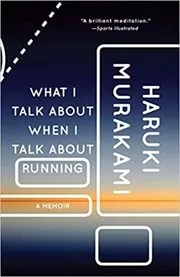
For readers interested in the daily discipline behind a running life. Murakami connects marathon preparation with writing and aging in a quiet, reflective voice, though the personal observations offer little of the structured guidance found in a training manual.
What it's about
A memoir reflecting on Murakami's life as a writer and an athlete. He discusses how training for marathons shapes his discipline and creative process, offering a rare, personal glimpse into the mind of the typically private author.
Also recommended by
2 people Brian Koppelman recommended this book
Brian Koppelman
"The single best distillation of the kind of focus, commitment, and sense of mission it takes to become a great artist." - Brian Koppelman
Brian Koppelman's recommendation of this book  Jack Edwards recommended this book
Jack Edwards
"Will really resonate with anyone who loves running." - Jack Edwards
Jack Edwards's recommendation of this book

26 Marathons
What I Learned About Faith, Identity, Running, and Life from My Marathon Career
For marathoners who want lessons grounded in one elite athlete's full racing career. Keflezighi's race-by-race structure makes setbacks and decisions concrete, though experiences from professional competition need interpretation before applying them to recreational goals.
What it's about
Meb Keflezighi revisits each of the twenty-six marathons in his professional career with Scott Douglas. Race accounts and personal reflections explore preparation, setbacks, faith, identity, and the lessons he drew from competing at the highest levels of distance running.
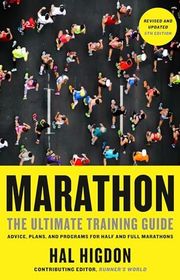
Marathon: The Ultimate Training Guide
For runners who want a broad, approachable introduction to marathon preparation. Higdon offers plans for different experience levels alongside practical context, though the straightforward framework gives less physiological detail than the more technical training books here.
What it's about
Hal Higdon explains preparation for half and full marathons through training plans and practical discussions of long runs, pacing, recovery, and race day. The guide addresses different experience levels and connects consistent preparation with the decisions surrounding a distance-running goal.

For readers who enjoy fiction about commitment and demanding athletic ambition. Parker gives training culture an intensity few practical guides attempt, though the focus is competitive track running and the extreme dedication offers inspiration more than a balanced marathon plan.
What it's about
College runner Quenton Cassidy is approaching his dream of a four-minute mile when Vietnam-era campus turmoil disrupts his athletic life. John Parker's novel follows the demanding training, relationships, and sacrifices surrounding a young athlete's single-minded pursuit of excellence.
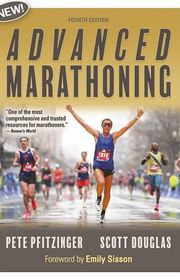
Advanced Marathoning
For experienced runners who want a detailed framework for improving marathon performance. Pfitzinger and Douglas connect training principles with structured programs, though the substantial workload assumes an established running base and considerable time for training and recovery.
What it's about
Pete Pfitzinger and Scott Douglas explain marathon preparation through endurance training, recovery, supporting exercise, nutrition, and race strategy. Detailed schedules at different weekly mileages connect the training principles with preparation for a target marathon.

For runners interested in how competitive systems affect girls and women. Fleshman connects personal experience with structural criticism, though the emphasis on elite development and institutional change makes it a different read from a recreational marathon handbook.
What it's about
Lauren Fleshman combines her experiences as an elite runner with an examination of how competitive sport treats girls and women. Drawing on research and personal history, she argues for systems that better support female athletes' development.

For marathoners who prefer mental-skills ideas embedded in a personal story. Kastor connects coaching, thought patterns, and competition with unusual openness, though the elite setting and memoir structure leave readers to decide which practices fit their own running.
What it's about
Deena Kastor and Michelle Hamilton recount the runner's development from a talented but exhausted young competitor to an elite marathoner. Training and racing stories explore how coaching, positive thinking, and deliberate mental habits changed her approach to competition.
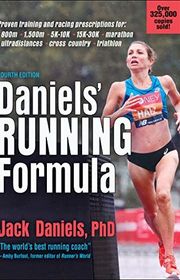
Daniels' Running Formula
For runners who want to understand how training paces and workout purposes fit together. Daniels provides a systematic framework across distances, though the tables and technical explanations require more attention than a simple marathon schedule.
What it's about
Jack Daniels explains distance-running training through fitness-based pacing, different workout purposes, and progressive preparation. Tables and programs connect race performances with training intensities, covering events from middle-distance racing through the marathon.

For runners interested in the relationship between a running practice and mental wellbeing. Douglas combines personal experience with research and interviews, though the focus extends beyond racing and individual experiences cannot establish the same benefits for every reader.
What it's about
Scott Douglas explores running's potential role in supporting mental health, combining his experience with expert interviews and research. The guide discusses depression, anxiety, and stress, examining how a running practice can work alongside other approaches to well-being.

For runners who want movement, strength, and coordination considered alongside mileage. Dicharry's assessments and exercise progressions give supporting work a clear structure, though the program demands active practice and does not provide a complete marathon running schedule.
What it's about
Jay Dicharry presents a running program that combines movement assessment, strength, mobility, and coordination. Self-tests, exercises, and workouts help readers examine their physical limitations and practice more efficient movement patterns alongside their existing distance-running training.

Running with Sherman
How a Rescue Donkey Inspired a Rag-tag Gang of Runners to Enter the Craziest Race in America
For readers who want a humorous endurance story centered on community and an animal partnership. McDougall gives training a broader emotional purpose, though the burro-racing focus offers an imaginative detour rather than practical road-marathon instruction.
What it's about
Christopher McDougall takes in a neglected donkey and begins preparing him for a race requiring human and animal to run together. The account follows Sherman's recovery and training alongside the neighbors, Amish families and runners who help.

Running with the Buffaloes
For runners curious about the group culture behind high-level training. Lear's close reporting makes coaching, pressure, and team relationships tangible, though collegiate cross-country demands provide a specialized picture that differs from preparing for a recreational marathon.
What it's about
Chris Lear follows the University of Colorado men’s cross-country team through a demanding collegiate season. Coach Mark Wetmore and runner Adam Goucher stand at the center of an account shaped by intense training, injuries, competition, and personal tragedy.

For runners who want short exercises and ideas about focus, confidence, and pressure. The lesson-based format makes it easy to revisit individual topics, though examples drawn across sports offer less marathon-specific detail than an endurance-focused psychology book.
What it's about
Gary Mack and David Casstevens explore the mental side of athletic performance through forty lessons and stories from prominent competitors. Exercises address confidence, focus, pressure, and the psychological habits that support preparation and performance.
Also recommended by
1 person Michael Gervais recommended this book
Michael Gervais
"Strips down the esoteric nature of applied sport psychology." - Michael Gervais
Michael Gervais's recommendation of this book

A Beautiful Work In Progress
For readers who want a wider picture of who belongs in endurance running. Valerio's humor and personal experience challenge familiar assumptions about runners, though the memoir's trail and ultra emphasis offers less guidance on road-marathon preparation.
What it's about
Mirna Valerio recounts her development from beginning racer to ultramarathon runner while challenging assumptions about who belongs in endurance sport. Her memoir connects training and trail experiences with body image, race, persistence, and the pleasure of spending time outdoors.

For readers drawn to a personal account of resilience and discovering running later in life. Keeling places sport within a much larger life story, though her sprinting experience offers motivation rather than specific preparation for the marathon distance.
What it's about
Ida Keeling recounts a life shaped by the Depression, civil rights activism, family responsibilities, and devastating personal loss. Her memoir describes discovering running later in life and the faith, relationships, and independence that helped her persevere.

For runners interested in an elite athlete's relationship with food, competition, and personal change. Jurek combines memoir with recipes in an approachable way, though his ultrarunning career and individual diet do not amount to a universal marathon nutrition plan.
What it's about
Scott Jurek recounts his journey from a Midwestern childhood to elite ultramarathon racing and a vegan diet. Stories of competition and personal change accompany running advice and plant-based recipes, connecting endurance training with his evolving approach to food.

For readers who want running considered through culture, literature, and bodily experience. Cregan-Reid gives the activity a broader intellectual setting, though the reflective approach offers fewer concrete training decisions than a practical marathon guide.
What it's about
Vybarr Cregan-Reid explores why people run through journeys across cities, coastlines, forests, and research laboratories. Combining personal experience with literature, philosophy, and biology, he considers running's connections to nature, bodily awareness, and freedom from modern routines.
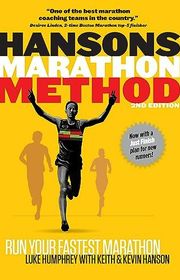
Hansons Marathon Method: Run Your Fastest Marathon the Hansons Way
For marathoners who want a clearly explained, consistent training system. Humphrey connects frequent running and accumulated fatigue with specific workout purposes, though the regular weekly commitment can be difficult to fit around limited training time or recovery capacity.
What it's about
Luke Humphrey explains the marathon training approach developed with the Hansons-Brooks Distance Project. The book combines schedules with the reasoning behind easy runs, faster sessions, long runs, and recovery, showing how the parts build toward sustained marathon effort.

How Bad Do You Want It?
For endurance athletes interested in the mental side of performance. Fitzgerald uses detailed race stories to make psychological ideas concrete, though the elite examples invite interpretation and do not replace the practical work of physical preparation.
What it's about
Fitzgerald revisits landmark endurance races to show how elite athletes use mental toughness when pain, doubt, and fatigue hit hardest. It's a clear, story-driven look at the psychology behind performance.

How She Did It
Stories, Advice, and Secrets to Success from Fifty Legendary Distance Runners
For readers who want a range of women's routes through distance running. The interview format brings varied experiences and recurring challenges into view, though fifty elite perspectives offer less continuity than a single memoir or a sequenced training guide.
What it's about
Molly Huddle and Sara Slattery gather interviews with fifty accomplished female distance runners alongside advice from sports medicine professionals. Their stories address routes through the sport and challenges including injury, inadequate nutrition, coaching pressures, and sustaining athletic development.

For readers interested in the history of women's access to marathon running. The biographical focus makes barriers and achievement personal, though the story is a historical account rather than a model for how young athletes should train.
What it's about
Rachel Swaby and Kit Fox tell the story of Maureen Wilton, who broke the women's world marathon record at thirteen. This biography examines her achievement, the hostility surrounding women's running, and her later return to the sport.

For readers who want to understand inclusion and public space within running culture. Désir connects personal experience with history and organizing, though the American context and social analysis offer less direct guidance on race preparation.
What it's about
Alison Mariella Désir combines her experiences as a runner and activist with the history of recreational running in America. She examines racial exclusion and the freedom to occupy public space, advocating a more inclusive and safer running community.

The Comeback Quotient
A Get-Real Guide to Building Mental Fitness in Sport and Life
For runners working through disappointment or a disrupted goal. Fitzgerald examines how athletes respond to setbacks through detailed examples, though the broad mental-fitness argument offers less of a daily practice sequence than a dedicated workbook.
What it's about
Using stories from athletes across endurance sports, Fitzgerald explores why some people return stronger after major setbacks. His answer centers on mental fitness and a hard-eyed willingness to face reality.

For marathoners curious about the culture and demands of going farther. Finn's participation makes the reporting accessible and self-questioning, though the mountain and ultra focus is an exploration beyond marathon racing rather than a road-training guide.
What it's about
Adharanand Finn investigates the growing appeal of ultrarunning by attempting its challenges himself. Races in deserts and mountains, encounters with other runners, and preparation for the Ultra-Trail du Mont-Blanc expose the sport’s physical demands and psychological attractions.

The Runner's Kitchen
100 Stamina-Building, Energy-Boosting Recipes, with Meal Plans to Maximize Your Training
For runners who want cooking ideas organized around an active training life. Coburn makes everyday meals and snacks part of the preparation conversation, though a recipe collection cannot individualize nutrition needs or replace a full marathon training approach.
What it's about
Emma Coburn shares recipes and meal plans developed around a runner's training needs. Breakfasts, main meals, snacks, and desserts accompany nutritional information, while plans for training, race week, and recovery explain her approach to eating for performance.
Sources
- 1
50 Best Running Books That Belong on Every Runner’s Shelf
runningstate.com
- 2
Must Reads! 20 Best Running Books | Fleet Feet
fleetfeet.com
- 3
12 Best Running Books of All Time
sportsfoundation.org
- 4
Marathon Books
goodreads.com
- 5
The Best Running Books in 2024 - Top Reads for Runners
runnersworld.com
- 6
26 Best Running Books: A Definitive Runner’s Reading List | Marathon Handbook
marathonhandbook.com
- 7
Books Archive | Hal Higdon
halhigdon.com
- 8
Reading List – Carmel Runners Club
carmelrunners.net
- 9
Marathon training book recommendations : r/Marathon_Training
reddit.com
- 10
Which book to read/follow for first marathon? (Hanson/Pfitz/Higdon?) : r/Marathon_Training
reddit.com





Edited by
Software engineer whose passion for tracking book recommendations from podcasts inspired the creation of MRB.
Lead investor at 3one4 Capital whose startup expertise and love for books helped shape MRB and its growth.
Comments
Spotted a missing book, a wrong order or a mistake? Tell us and we'll fix this page.
We're a reading guide, not the author or publisher, so we can't send books or pass on messages.