
32 Best Tennis Books
The best tennis books, ranked by how many expert sources recommend each one, with notes to help players and fans choose memoirs, coaching, and tennis history.
Our take
Tennis books can help you play a more thoughtful match, understand a champion’s working life, or see the sport through a writer’s eyes. Those are different pleasures. A practical book about concentration will serve a club player differently from a memoir about the pressures of fame or a history of the early professional tours.
The Inner Game of Tennis focuses on attention and self-trust, while Winning Ugly concentrates on competitive decisions. For a broader instructional reference, Nick Bollettieri’s Tennis Handbook covers strokes, practice, and strategy. Open explores the personal costs of a career, and the memoirs by Nadal, Sharapova, and other players offer more individual perspectives. String Theory suits readers interested in the craft of observing tennis, while The Pros looks back to a different tournament world.
Start with the problem or curiosity you bring: concentration, tactics, a favorite player, or the history behind the sport.
32 books · 10 sources · Last updated
As an Amazon Associate, we earn from qualifying purchases (at no extra cost to you).
How to choose from this list
Skip to the full rankingIf you want better concentration: The Inner Game of Tennis
If you want match tactics: Winning Ugly
If you want a training reference: Nick Bollettieri's Tennis Handbook
If you want a player's memoir: Open → Rafa
If you want literary tennis writing: String Theory
If you want tennis and social change: All In
The 32 books, ranked
Ranked by how many expert sources name each book. Ties go to the book more people recommend.

For readers who want the person behind the results, including those who rarely watch tennis. Its candid treatment of ambition and unhappiness reaches beyond sport, though readers seeking match analysis will find less of it.
What it's about
Andre Agassi recounts a tennis career shaped by his demanding father and an uneasy relationship with the sport. His autobiography explores fame, marriage, personal struggles, philanthropy, and the contrast between public achievement and private unhappiness.
Also recommended by
5 people Mark Zuckerberg recommended this book
Mark Zuckerberg
On the "books read" section of Mark Zuckerberg's Facebook profile.
Mark Zuckerberg's recommendation of this book  Tim Ferriss recommended this book
Tim Ferriss
"Such a fantastic book." - Tim Ferriss
Tim Ferriss's recommendation of this book  Bill Gates recommended this book
Bill Gates
List of books Bill Gates read in 2011.
Bill Gates's recommendation of this book  Shaun White recommended this book
Shaun White
"I really enjoyed [this book], it was so amazing to hear his story and his struggle of not enjoying the sport and then finally finding his love for it." - Shaun White
Shaun White's recommendation of this book  Dave Elitch recommended this book
Dave Elitch
"Phenomenal." - Dave Elitch
Dave Elitch's recommendation of this book

The Inner Game of Tennis
The Classic Guide to the Mental Side of Peak Performance
For players whose concentration and self-criticism get in the way. Its approach to attention offers a different starting point from tactics or technique, though putting the ideas into practice takes more than reading them.
What it's about
Timothy Gallwey explores the mental obstacles that interfere with tennis performance, including self-doubt and lapses in concentration. He explains how relaxed attention and trust in the body's abilities can support learning and better play.
Also recommended by
4 people Patrick Collison recommended this book
Patrick Collison
"A really good book that I very highly recommend." - Patrick Collison
Patrick Collison's recommendation of this book - Dave Elitch recommended this book
Dave Elitch
"It had a huge effect." - Dave Elitch
Dave Elitch's recommendation of this book  Ryan Shea recommended this book
Ryan Shea
Ryan Shea recommended this book on his website.
Ryan Shea's recommendation of this book - Bill Gates recommended this book
Bill Gates
"Gives excellent advice about how to move on constructively from mistakes, which I’ve tried to follow both on and off the court over the years." - Bill Gates
Bill Gates's recommendation of this book

For club competitors who want to make better decisions during matches. Its opponent-focused tactics are more immediately competitive than the reflective psychology books, though its combative attitude will not suit every player.
What it's about
Brad Gilbert explains the mental and tactical side of tennis, using experiences from professional competition. He discusses reading opponents, handling difficult playing styles, protecting leads, recognizing opportunities, and resisting gamesmanship rather than concentrating on stroke technique.
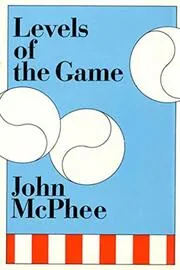
Levels of the Game
For readers who enjoy close observation and compact sportswriting. McPhee turns one match into a study of contrasting lives and playing styles, although its period assumptions and limited historical frame can require some distance.
What it's about
Structured point by point around the 1968 U.S. Open semifinal between Arthur Ashe and Clark Graebner, this book alternates on-court action with biographical portraits. Tennis becomes a way to explore race, class, temperament, and late-1960s American life.
Also recommended by
4 people Stephen Dubner recommended this book
Stephen Dubner
"One of my very, very favorite books ever." - Stephen Dubner
Stephen Dubner's recommendation of this book  Daniel Pink recommended this book
Daniel Pink
"One of the best [books by this author] I’ve read." - Daniel Pink
Daniel Pink's recommendation of this book - Tim Ferriss recommended this book
Tim Ferriss
"About one epic tennis match." - Tim Ferriss
Tim Ferriss's recommendation of this book  Samin Nosrat recommended this book
Samin Nosrat
"I love." - Samin Nosrat
Samin Nosrat's recommendation of this book
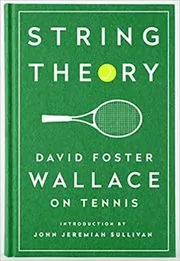
String Theory
For readers who enjoy close observation and literary sportswriting. Wallace makes technique and spectatorship unusually vivid, though his long sentences and digressions demand more attention than a straightforward player memoir or coaching manual.
What it's about
Wallace's five tennis essays, collected in one volume, move from his own Midwestern junior-player days to sharp pieces on Tracy Austin, Michael Joyce, the US Open, and Roger Federer. It is sportswriting full of close attention, awe, and argument.
Also recommended by
2 people Ben Shapiro recommended this book
Ben Shapiro
"A fun bathroom book to read. The writing is really great." - Ben Shapiro
Ben Shapiro's recommendation of this book - Bill Gates recommended this book
Bill Gates
"I would say to anyone who likes tennis as much as I do, you have to read [this book]." - Bill Gates
Bill Gates's recommendation of this book

Rafa
For Nadal fans interested in the family and routines behind his competitive intensity. Its close personal perspective distinguishes it from outside biographies, though it covers only an early portion of his long career.
What it's about
Rafael Nadal recounts his childhood in Majorca, the family relationships behind his career, and the pressures of elite tennis. Written with John Carlin, the memoir explores training, injury, rivalry, and the mindset behind his major tournament victories.
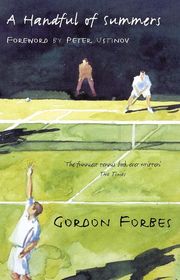
A Handful of Summers
For fans who prefer touring stories and character sketches to a record of titles. Forbes captures the social texture of an earlier tennis world with humor, although some attitudes and references show their age.
What it's about
Gordon Forbes recalls learning tennis in South Africa and traveling the international circuit with players of the 1950s and 1960s. His memoir follows friendships, mishaps, and encounters that reveal the everyday life surrounding tournament competition.
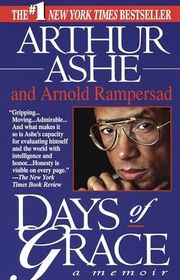
Days of Grace: A Memoir
For readers who want a champion’s thinking about responsibility, race, and mortality. Ashe’s reflections reach further into public life than most tennis memoirs, though readers seeking detailed match analysis should choose another book.
What it's about
Arthur Ashe reflects on his life in tennis, racial inequality, family, activism, and illness. Written with Arnold Rampersad, the memoir connects the pressures of public leadership with personal convictions and the questions he faced beyond the court.
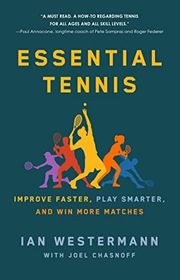
Essential Tennis
For recreational players who want technique, practice, tactics, and mindset in one place. Its broad coverage gives a practical starting framework, though players tackling a specific weakness may still need a specialist book or coaching.
What it's about
Ian Westermann and Joel Chasnoff explain ways to improve tennis through stroke fundamentals, movement, strategy, practice, and mental habits. The lessons help recreational players connect what they work on during training with decisions made in matches.
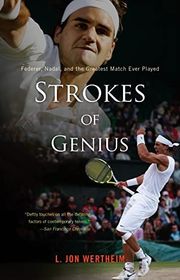
Strokes of Genius: Federer, Nadal, and the Greatest Match Ever Played
For fans who want to understand the Federer and Nadal rivalry through one contest. Its detailed treatment of the Wimbledon final rewards close attention, but readers wanting full biographies will need a broader account.
What it's about
L. Jon Wertheim examines the 2008 Wimbledon final between Roger Federer and Rafael Nadal. Match reporting, tactical analysis, and background on both players explain how their contrasting games and personalities met in a prolonged championship contest.
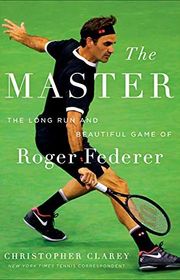
The Master: The Long Run and Beautiful Game of Roger Federer
For Federer fans who want a reported biography rather than a collection of career highlights. Clarey draws on years of access to explore his development, although the sustained admiration leaves less room for a confrontational portrait.
What it's about
Christopher Clarey follows Roger Federer from his Swiss childhood through the development of his championship career. Reporting and interviews examine his temperament, relationships, rivalries, and evolving game, giving readers a detailed account of the person behind his performances.
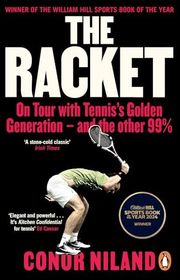
The Racket
For fans curious about professionals who never become household names. Niland makes the costs and loneliness of chasing ranking points concrete, though readers looking for a champion’s account will find a deliberately different perspective.
What it's about
Conor Niland recounts life on tennis’s lower professional circuits, where travel costs, uncertain earnings, and isolation shape daily decisions. His memoir shows how players outside the elite pursue opportunities while sharing a sport dominated by its stars.
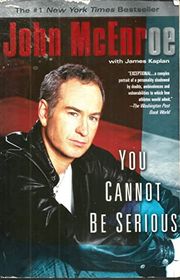
You Cannot Be Serious
For readers who want McEnroe’s account of his playing years before his later reflections in But Seriously. His outspoken voice gives the rivalries immediacy, although the self-portrait can be combative and uneven.
What it's about
John McEnroe recounts his rise in professional tennis, major rivalries, and life beyond competition, with James Kaplan. The autobiography explores family, fame, and the temperament that shaped both his accomplishments and his conflicts on court.
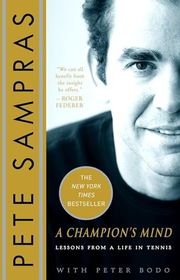
A Champion's Mind: Lessons from a Life in Tennis
For players interested in discipline and sustained excellence rather than celebrity turmoil. Sampras explains his competitive priorities from inside a dominant career, but the restrained voice offers less personal drama than some other memoirs here.
What it's about
Pete Sampras reflects on the habits, relationships, and decisions behind his tennis career, with Peter Bodo. He discusses training, major matches, rivalries, and handling expectations, connecting championship experiences with the mental demands of staying successful.
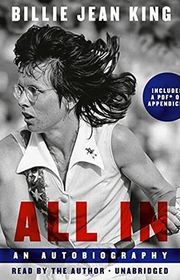
All In
For readers who want tennis history connected to equality, work, and identity. Its breadth gives King’s activism more context than Pressure is a Privilege, though the substantial autobiography requires a longer commitment.
What it's about
Billie Jean King recounts her tennis career, the struggle for equal opportunities in women’s sport, and her personal search for identity. The autobiography connects major matches with relationships, organizing, and the costs of public leadership.

For readers interested in recovering from setbacks rather than a full career retrospective. Its focus on a difficult period gives the memoir emotional concentration, though tennis instruction and broader sport history take a back seat.
What it's about
James Blake recounts the year when a fractured neck, his father's death, and an illness that paralyzed part of his face threatened his tennis career. The memoir follows his recovery and return to elite competition.

But Seriously
For McEnroe fans curious about the years beyond the championship matches. Its broadcasting and cultural anecdotes broaden the view of his life, though readers seeking a sustained account of his playing peak should look elsewhere.
What it's about
John McEnroe reflects on life after his championship career, including broadcasting, fatherhood, music, art collecting, and encounters with other players. Personal anecdotes accompany his outspoken views on contemporary tennis, celebrity, and the challenges of reinventing himself.

For readers interested in elite ambition, family sacrifice, and the business surrounding a player. Sharapova’s direct personal perspective is its strength, though it remains her account of disputed events rather than an independent assessment.
What it's about
Maria Sharapova recounts her journey from childhood in Russia to tennis training in America and Grand Slam success. Her memoir explores her father's sacrifices, intense rivalries, injuries, and the suspension controversy that threatened her career.
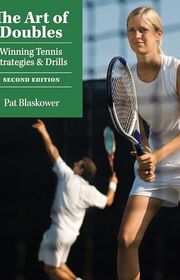
The Art of Doubles: Winning Tennis Strategies and Drills
For club doubles players who want clearer positioning and better coordination with a partner. Its drills and tactical guidance address a gap in the singles-focused books, though readers seeking singles instruction should start elsewhere.
What it's about
Pat Blaskower explains doubles positioning, shot selection, communication, and teamwork, supported by practice drills. The book helps partners understand their shared responsibilities and develop coordinated responses to the recurring situations they face during a match.
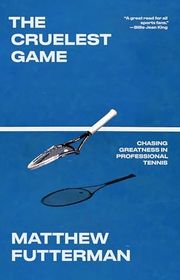
The Cruelest Game: Chasing Greatness in Professional Tennis
For readers who want a recent reported look at the pressures of professional tennis. Following several players broadens the perspective beyond a single memoir, although the focus on contemporary careers gives it a limited historical sweep.
What it's about
Matthew Futterman reports on the routines, ambitions, and personal pressures of professional tennis players. Following established champions and rising competitors, he examines the work and uncertainty behind performances that spectators usually see only during tournament matches.
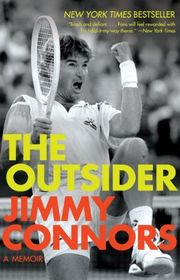
The Outsider: A Memoir
For fans interested in the emotional force behind Connors’s competitive style. His direct account offers a different temperament from the quieter champions’ memoirs, though its frankness includes abrasive opinions and an unapologetically personal perspective.
What it's about
Jimmy Connors recounts the family influences, rivalries, and personal experiences behind his tennis career. His memoir follows his development as a competitor while exploring the relationships and decisions that accompanied life in the public eye.
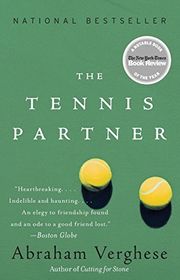
The Tennis Partner
For readers drawn to friendship and vulnerability beyond professional sport. Tennis provides an intimate setting for this memoir’s examination of addiction, though the medical context and emotional weight make it quite different from a tour autobiography.
What it's about
Starting over in El Paso as his marriage falters, Abraham Verghese befriends a medical student recovering from addiction. Their shared tennis games build an intimate friendship, but the student's returning troubles challenge the trust and stability both men seek.

For fans interested in a career shaped by repeated injury and return. Its focus on del Potro gives an Argentine perspective missing from most player memoirs here, though it is a narrower career study.
What it's about
Sebastián Torok traces Juan Martin del Potro’s rise, his 2009 US Open victory, and the injuries that interrupted his career. The biography follows his comeback, Olympic success, and role in Argentina’s Davis Cup triumph while portraying his personality off court.

For Wimbledon followers curious about the officials behind the tournament. Mills offers an administrative perspective absent from the player memoirs, though the emphasis on his own era makes it a historical account rather than a current guide.
What it's about
Alan Mills looks back on his tennis career, from playing professionally to serving as Wimbledon's referee. His autobiography recounts his association with the All England Club and the responsibilities behind his familiar presence at the tournament.

Pressure is a Privilege
Lessons I've Learned from Life and the Battle of the Sexes
For readers wanting a short collection of lessons from King’s career and activism. Its concise, reflective format makes an accessible introduction, though All In provides a much fuller account of her life and historical context.
What it's about
Billie Jean King draws life lessons from her tennis career and the 1973 Battle of the Sexes match. She reflects on preparation, relationships, integrity, and opportunity, connecting experiences on the court with challenges in work and everyday life.

For readers curious about tennis before and during the transition to the Open Era. Laver’s personal account brings an earlier generation closer, though the historical names and tour structure may require context for newer fans.
What it's about
Rod Laver traces his journey from rural Queensland to the amateur and professional tennis circuits. Written with Larry Writer, the memoir recalls major victories and rivalries while reflecting on family life, his stroke, and the changing sport.

For Federer fans who want a compact portrait of character and temperament. Its thematic approach offers an alternative to match-by-match biography, though it is less comprehensive than a full career history and reflects its publication period.
What it's about
Simon Graf presents a thematic portrait of Roger Federer drawn from years of reporting on his career. He explores Federer’s temperament, family relationships, rivalry with Rafael Nadal, lasting enthusiasm for tennis, and public role beyond competition.

The Player
For readers interested in the collision between sporting success and celebrity. Becker’s personal account gives the memoir its distinctive voice, though it offers his perspective on controversies and predates later developments in his life.
What it's about
Boris Becker recounts his tennis career and the personal controversies surrounding it, from winning Wimbledon at seventeen to retirement. Championship memories sit alongside accounts of marriage, divorce, tax troubles, and struggles with pills and alcohol.

For readers wanting to understand the professional circuit before the Open Era. Its attention to touring players fills a gap left by modern star memoirs, though unfamiliar names and historical detail make it a slower introduction.
What it's about
Peter Underwood recounts the professional tennis circuit before the Open Era, when paid players were excluded from major tournaments. Through eight champions’ stories, he explores touring life, rivalries, financial pressures, and the struggle for recognition.

For Federer fans who prefer visual explanations to a conventional narrative biography. Its photographs and statistical graphics invite browsing, though its career snapshot cannot provide the perspective of a complete account after retirement.
What it's about
Mark Hodgkinson combines biography, interviews, photographs, and infographics to explore Roger Federer’s tennis career. Visual analysis examines serving, shot patterns, movement, and performance under pressure, alongside the personal development behind his transformation into a composed champion.

Nick Bollettieri's Tennis Handbook
For players and coaches wanting a broad training reference covering strokes, drills, and strategy. Its instructional range distinguishes it from the memoirs, though dense material is easier to use selectively alongside time on court.
What it's about
Nick Bollettieri presents a development system for tennis players and coaches. The handbook combines stroke instruction, serving techniques, singles and doubles strategies, practice drills, and physical and mental conditioning to help readers refine their game.

For Murray fans wanting the perspective behind his breakthrough Wimbledon victory. Its concentrated time frame gives the achievement context, though readers wanting his later career or a complete autobiography will need another account.
What it's about
Andy Murray recounts the journey to his 2013 Wimbledon title, focusing on the preceding two years. He describes pivotal matches, training, his supporting team, and the physical and mental demands of reaching the top of tennis.
Sources
- 1
30 Best Tennis Books of 2026
townandcountrymag.com
- 2
10 Best Tennis Books of All Time
sportsfoundation.org
- 3
Best Tennis Books for Players and Coaches
tennisoverload.com
- 4
Best Tennis Books: The Top 15 List
tennispredict.com
- 5
Tennis Books
goodreads.com
- 6
Tennis Books - Five Books Expert Recommendations
fivebooks.com
- 7
Best Tennis Books: 15 Must-Reads for Players & Fans
mv-ta.com
- 8
The 10 Best Tennis Books for Players, Coaches, & Fans
thetennistribe.com
- 9
Any good tennis book to recommend : r/tennis
reddit.com
- 10
Best Tennis Books? : r/10s
reddit.com









Edited by
Software engineer whose passion for tracking book recommendations from podcasts inspired the creation of MRB.
Lead investor at 3one4 Capital whose startup expertise and love for books helped shape MRB and its growth.
Comments
Spotted a missing book, a wrong order or a mistake? Tell us and we'll fix this page.
We're a reading guide, not the author or publisher, so we can't send books or pass on messages.