
19 Best Social Media Marketing Books
The best social media marketing books, ranked by expert source recommendation counts, with guidance for small businesses, content, and audience engagement.
Our take
Social media marketing involves more than finding something to post. It includes deciding whom to serve, creating useful material, responding to people, and connecting attention with a business purpose. Books can help with those decisions, although advice about specific interfaces, formats, and platform rules needs checking against current conditions and the edition you choose.
Social Media Marketing Workbook and 500 Social Media Marketing Tips suit readers who want organized tasks and practical prompts. Epic Content Marketing starts further back, with the audience and editorial purpose behind the content. Everybody Writes focuses on making that content clearer. For understanding why people share, Contagious offers a different lens, while Fanocracy examines longer relationships with customers. The Lead Machine and See You on the Internet place social channels within a broader small business marketing plan.
Start with the decision your team has not resolved, then choose a practical guide to support it. Treat older campaigns as examples to examine, rather than templates to reproduce unchanged.
19 books · 8 sources · Last updated
As an Amazon Associate, we earn from qualifying purchases (at no extra cost to you).
How to choose from this list
Skip to the full rankingIf you're starting a small business presence: Social Media Marketing Workbook → 500 Social Media Marketing Tips
If you need a content strategy: Epic Content Marketing → Content Mavericks
If you want clearer posts: Everybody Writes
If you want to understand sharing: Contagious
If you want stronger customer relationships: Digital Trust → Fanocracy
If social media feels disconnected from sales: The Lead Machine → See You on the Internet
The 19 books, ranked
Ranked by how many expert sources name each book. Ties go to the book more people recommend.

For marketers who want to understand why people pass information along. Its attention to social motives and message design provides ideas beyond platform settings, though memorable examples do not provide a formula that guarantees sharing or sales.
What it's about
Jonah Berger investigates why certain products, ideas, and stories spread through word of mouth. Research and examples explain how social motives, emotions, everyday reminders, and other factors influence what people share and what others choose to pass along.
Also recommended by
1 person Changpeng Zhao recommended this book
Changpeng Zhao
"A must-read for all product designers and marketers, and a lot of people in our team have taken the lessons in this book to heart." - Changpeng Zhao
Changpeng Zhao's recommendation of this book
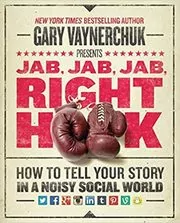
For marketers who want to think about how context changes a piece of content. Its examples make the distinction between useful engagement and direct promotion tangible, though the platform landscape and campaign screenshots are firmly rooted in an earlier era.
What it's about
Gary Vaynerchuk explains social-media marketing through the balance between ongoing audience engagement and direct sales appeals. He examines how brands can adapt stories and content to different platforms rather than treating every online channel alike.
Also recommended by
1 person Chase Jarvis recommended this book
Chase Jarvis
"[The author]'s been pounding his chest for a long time about all this stuff he pounds his chest on, besides the Jets." - Chase Jarvis
Chase Jarvis's recommendation of this book
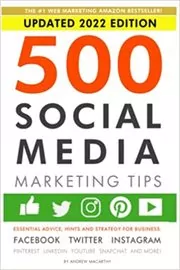
For small business readers who want short, practical prompts rather than a long strategic argument. Its concise format makes selective consultation easy, though platform features change quickly and specific instructions need checking against the edition and current interface.
What it's about
Andrew Macarthy collects practical advice for using major social networks in business marketing. The guide explores strategy, content, audience growth, advertising, and customer engagement, with concise tips intended to help busy readers develop a more consistent online presence.
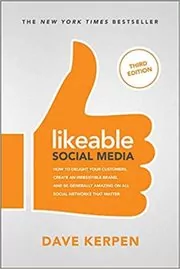
Likeable Social Media
For marketers who want listening, responsiveness, and useful content to guide brand behavior. Its examples make engagement recognizable as customer experience, though platform instructions and case studies age and cannot be transferred without considering the audience.
What it's about
Dave Kerpen explains how brands can attract and retain customers through social media engagement. Advice and case studies cover useful content, video, paid media, audience growth, and responding to criticism, connecting online interactions with the wider customer experience.
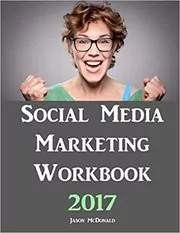
For small businesses that prefer worksheets and a sequence of tasks to a broad marketing essay. Its structured exercises help turn intentions into a plan, though platform setup guidance and companion materials depend heavily on the edition.
What it's about
Jason McDonald guides small businesses through planning social media marketing, setting up profiles, and developing a posting strategy. Worksheets and companion videos support lessons on major networks, with additional guidance on local listings and customer reviews.
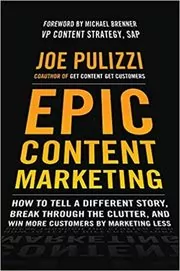
Epic Content Marketing
How to Tell a Different Story, Break through the Clutter, and Win More Customers by Marketing Less
For marketers who need a content purpose before choosing what to post. Its audience and editorial framework connects social activity with a wider program, though the original examples predate many current formats and require adaptation.
What it's about
Joe Pulizzi presents a process for creating content that attracts an audience without relying on sales interruptions. The guide covers selecting a niche, defining a mission, organizing production, distributing material and measuring performance through business case studies.
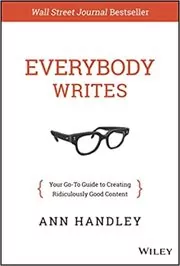
For marketers who need their everyday posts and other business writing to become clearer and more useful. Its repeatable editing advice improves the work itself, though strong writing still needs audience understanding and a distribution strategy.
What it's about
Ann Handley presents a practical guide to writing content for businesses and their audiences. She discusses developing ideas, organizing drafts, revising sentences, and approaching common marketing formats, emphasizing clarity and attention to the reader throughout the writing process.
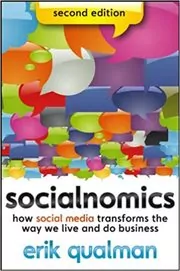
For readers interested in how social platforms changed relationships between businesses and customers. Its wider business perspective provides context beyond individual posts, though older examples and sweeping claims require distance from present day platform conditions.
What it's about
Erik Qualman explores how social media changes everyday life, consumer behavior, and business communication. Drawing on organizational examples, he examines ways companies can reach customers directly, rethink marketing, and respond to the economic and social implications of connected platforms.
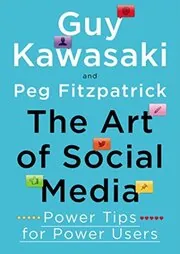
For readers who like concise operational advice about profiles, content, and everyday social activity. Its practical organization makes it easy to consult, though many platform details reflect its publication period and need checking before use.
What it's about
Guy Kawasaki and Peg Fitzpatrick offer more than one hundred practical tips for building a social media presence. They cover profiles, digital content, attracting followers and combining blogging with social activity to support a business, product or personal brand.
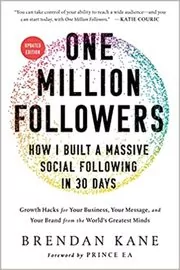
For marketers interested in an experimental approach to attracting attention and testing content. Its focus on rapid iteration encourages active learning, though follower growth is not the same as business value and the headline result is not a reliable expectation.
What it's about
Kane shares his approach to building a social-media audience through content, audience targeting, testing, and strategic partnerships. Interviews with influencers and marketing professionals accompany examples from major platforms, explaining the decisions behind his rapid growth in followers.
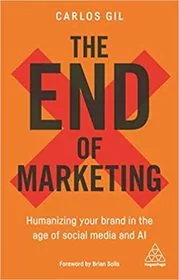
For marketers who want to reconsider how a brand behaves in social conversations. Its emphasis on human connection challenges routine promotional posting, though the provocative argument and selected examples provide less detail than an operational handbook.
What it's about
Carlos Gil argues for more human, engaging brand communication in a culture shaped by social media and automation. Examples from brands and content creators explore emerging platforms, content ideas, paid strategies, and the changing relationships among businesses, customers, and employees.
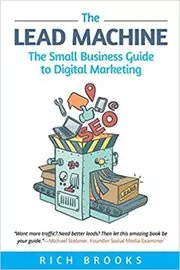
For small business owners who need social media connected to a website and the wider lead generation process. Its broad framework helps keep channels in perspective, though readers seeking detailed community management or platform specialization will need another guide.
What it's about
Rich Brooks presents a digital marketing framework for small businesses built around creating a website, attracting visitors, retaining contact, and evaluating results. Examples and practical guidance connect an online presence with the process of generating leads and customers.
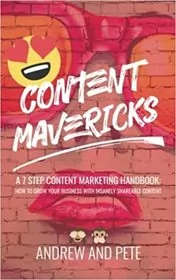
For small teams that want a more distinctive content identity rather than simply more frequent posting. Its organized process supports creative decisions, though generating ideas that resonate still requires audience knowledge and repeated testing.
What it's about
Andrew and Pete present a seven-step process for creating a distinctive content marketing strategy. They explore how shareable material can build an audience and connect with sales, addressing the difficulty of attracting attention in a crowded online environment.
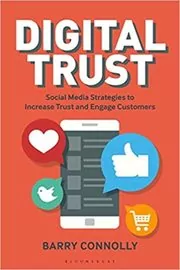
For marketers concerned with credibility and the quality of customer relationships online. Its focus on trust gives engagement a purpose beyond visibility, though the research and frameworks need translating into the decisions of a particular organization.
What it's about
Barry Connolly examines how businesses build consumer trust through social media. Research, case studies, and practical frameworks connect online branding, reputation, communication, and engagement, helping smaller firms think through both opportunities and common mistakes in digital communities.
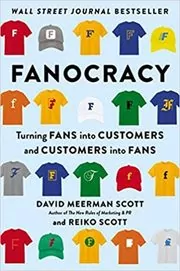
For organizations that want customers to feel a lasting connection rather than merely follow an account. Its examples connect shared interests with loyalty, though the broader relationship principles offer less direct instruction for running daily social channels.
What it's about
David Meerman Scott and Reiko Scott explore how organizations turn customers into enthusiastic fans. Research and interviews across businesses and nonprofits examine personal connections, shared passions, and community, offering examples of how these relationships influence loyalty and word of mouth.

For readers who want social activity placed within a wider argument about attention, credibility, and brand growth. Its broad perspective can connect scattered tactics, though the mix of personal stories and techniques is less focused than a channel specific manual.
What it's about
Aaron Agius and Gián Clancey combine digital marketing techniques with ideas from social science to explain brand growth. Personal stories and research explore visibility, credibility, valuable content, and human connections as parts of attracting customers and sustaining their interest.
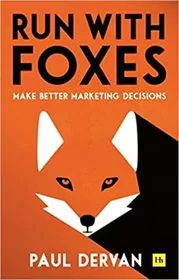
For readers who want to improve marketing judgment rather than copy a posting formula. Its accounts of decisions and mistakes make uncertainty visible, though the broad marketing focus provides less specific instruction for social media operations.
What it's about
Paul Dervan examines marketing decisions through real-life stories of campaigns, experiments, successes, and failures. Drawing on industry experience and interviews, he explores the uncertainty behind choices and the lessons marketers can learn by examining mistakes as well as triumphs.
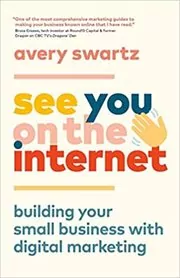
For owners who feel overwhelmed by digital marketing and want an understandable starting framework. Its accessible treatment connects social media with other channels, though the breadth means less detail on advanced campaigns or specialized community work.
What it's about
Avery Swartz introduces a five-step framework for planning a small business’s digital marketing. Examples and practical guidance cover websites, ecommerce, search visibility, social media, email, advertising, and measuring results, written for readers without a technical background.
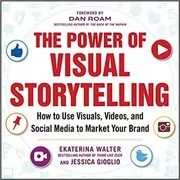
The Power of Visual Storytelling
How to Use Visuals, Videos, and Social Media to Market Your Brand
For marketers planning visual content across images, video, and other formats. Its examples help connect creative choices with a brand’s story, though the older platform context and visual trends call for adaptation rather than direct imitation.
What it's about
Ekaterina Walter and Jessica Gioglio explain how brands can communicate through photographs, videos, infographics, presentations, and other visual media. Illustrated examples from companies combine inspiration with a practical roadmap for developing visual storytelling within a marketing strategy.
Sources
- 1
Social Media Marketing Books: 12 Picks for Success - Shopify
shopify.com
- 2
17 Best Social Media Marketing Books Of 2026
thecmo.com
- 3
100 Best Social Media Marketing Books of All Time (Updated for 2026)
shortform.com
- 4
Social Media Marketing Books (34 books)
goodreads.com
- 5
What are the best social media marketing books? : r/SocialMediaMarketing
reddit.com
- 6
12 Best Social Media Marketing Books to Read
teambuilding.com
- 7
Best Social Media Marketing Books - Mageplaza
mageplaza.com
- 8
20+ Best Social Media Marketing Books to Read in 2022
revive.social

Edited by
Software engineer whose passion for tracking book recommendations from podcasts inspired the creation of MRB.
Lead investor at 3one4 Capital whose startup expertise and love for books helped shape MRB and its growth.
Comments
Spotted a missing book, a wrong order or a mistake? Tell us and we'll fix this page.
We're a reading guide, not the author or publisher, so we can't send books or pass on messages.