
10 Best Blogging Books
The best blogging books, ranked by how many expert sources recommend each, with notes on who each suits for writing, content planning, and running a blog.
Our take
Blogging combines several kinds of work: choosing useful subjects, writing clearly, publishing regularly, and helping the right readers discover your posts. A personal journal and a commercial publication may use the same tools while needing very different advice. These books range from focused help with content and routines to broader accounts of building an audience and running a business.
Everybody Writes addresses the quality of the words on the page, while The One Hour Content Plan helps organize what to publish. Blog, Inc. offers an accessible introduction with a creative and community emphasis. ProBlogger and How to Blog for Profit take a more commercial approach; Content Inc. examines the larger business model. Atomic Habits supports consistency, and Virtual Freedom becomes more relevant when there is work to delegate. Older examples of platforms and promotion need updating, and earnings or follower claims are not forecasts. Start with the book that addresses your current bottleneck, then apply its ideas through actual posts.
10 books · 7 sources · Last updated
As an Amazon Associate, we earn from qualifying purchases (at no extra cost to you).
How to choose from this list
Skip to the full rankingIf you're new to blogging: Blog, Inc. → ProBlogger
If you want clearer posts: Everybody Writes
If you need a publishing plan: The One Hour Content Plan
If you struggle to publish consistently: Atomic Habits
If you want a business model: Content Inc. → How to Blog for Profit
If you're ready to delegate: Virtual Freedom
The 10 books, ranked
Ranked by how many expert sources name each book. Ties go to the book more people recommend.

For bloggers who want clearer drafts and a more reader-focused writing process. Its attention to editing and everyday web communication is useful across formats, though it does less to explain technical setup, search traffic, or monetization.
What it's about
Ann Handley presents a practical guide to writing content for businesses and their audiences. She discusses developing ideas, organizing drafts, revising sentences, and approaching common marketing formats, emphasizing clarity and attention to the reader throughout the writing process.
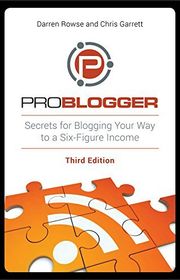
ProBlogger: Secrets for Blogging Your Way to a Six-Figure Income
For beginners who want a broad framework for treating a blog as a publishing business. It connects content, readers, and revenue more directly than general writing books, though dated platform examples and the income-led title require realistic expectations.
What it's about
Darren Rowse and Chris Garrett explain how to establish a blog, develop content, attract readers, and explore revenue streams. Examples and practical guidance connect publishing choices with audience development, advertising, and the ongoing work of running a blog.

Content Inc.
For bloggers who want a business strategy built around a distinct audience and editorial position. Its audience-first model connects publishing with eventual revenue, though it requires patience and offers less help with daily writing or site operation.
What it's about
Joe Pulizzi proposes building a loyal audience before developing products to sell it. His framework covers finding a distinctive content niche, choosing a primary publishing channel and converting occasional visitors into subscribers before pursuing revenue.
How to Blog for Profit: Without Selling Your Soul
For bloggers who want to connect useful content with presentation and revenue choices. Its personal business perspective makes the decisions concrete, though older promotional tactics need updating and one author's experience cannot guarantee comparable results.
What it's about
Ruth Soukup discusses creating blog content, improving presentation, attracting readers, and developing multiple income streams. Drawing on her own blogging business, she connects editorial choices with promotion, working routines, and decisions about earning revenue from a publication.

For creative bloggers who want an approachable overview of voice, community, and commercial opportunities. The interviews broaden the perspective beyond one author's experience, though older platform and sponsorship examples need checking against current practice.
What it's about
Cho offers practical advice on starting and growing a blog, from choosing a platform and designing a site to attracting readers and earning income. Interviews and personal experience address content, voice, community, sponsorship, and balancing blogging with other responsibilities.

The Essential Habits Of 6-Figure Bloggers
Secrets of 17 Successful Bloggers You Can Use to Build a Six-Figure Online Business
For readers who want to compare working habits across several blogging businesses. The interview-based approach offers varied examples, though successful interviewees provide a selective picture and their income levels do not establish what a new blogger can expect.
What it's about
Miller draws on interviews with seventeen successful bloggers to examine the habits behind their businesses. Their experiences and lessons offer readers ways to think about building a blog, working effectively, responding to results, and persisting through the challenges of growth.

The One Hour Content Plan
For solo bloggers who have ideas but struggle to turn them into a purposeful publishing plan. Its focused exercises connect topics with an audience and offers, though it provides less help with technical setup or improving sentence-level writing.
What it's about
Kothand presents a method for planning blog content around an audience, brand voice, and business offerings. The guide explains three ways to generate ideas, five types of sales-related content, and key elements of effective posts, helping solopreneurs build a purposeful publishing plan.

For bloggers whose main obstacle is publishing consistently rather than finding a niche. Its emphasis on manageable routines helps structure regular writing, though it offers general behavior advice and leaves content strategy and traffic acquisition to other books.
What it's about
James Clear explores why habits persist and how everyday systems influence behavior. He draws on behavioral research and illustrative stories to offer practical methods for establishing constructive routines, reducing unwanted habits, and making gradual improvements more sustainable.
Also recommended by
8 people Tim Urban recommended this book
Tim Urban
"I'd attribute about 60% of my good habits to [the author's] blog and this book is rapidly filling in the other 40%." - Tim Urban
Tim Urban's recommendation of this book  Vinod Khosla recommended this book
Vinod Khosla
"A decent book on self-help tools, not a category I am generally a fan of." - Vinod Khosla
Vinod Khosla's recommendation of this book  Biz Stone recommended this book
Biz Stone
"Great book." - Biz Stone
Biz Stone's recommendation of this book  Anthony Pompliano recommended this book
Anthony Pompliano
"Highly recommend." - Anthony Pompliano
Anthony Pompliano's recommendation of this book  Jodie Cook recommended this book
Jodie Cook
"I love the simplicity of this book." - Jodie Cook
Jodie Cook's recommendation of this book  Blake Randall recommended this book
Blake Randall
"" - Blake Randall
Blake Randall's recommendation of this book +2
More recommendations
- Ali Abdaal
"Helped me understand how habits are formed and what we can do." - Ali Abdaal
- Ben Greenfield
Most Recommended Books reached out to Ben Greenfield directly.
- Ali Abdaal

Virtual Freedom
For established bloggers who need to delegate recurring work without losing control of their business. Its attention to hiring and managing remote help is practical, though beginners without repeatable tasks or a staffing budget will find less immediate value.
What it's about
Chris Ducker guides entrepreneurs through building and managing teams of virtual employees. He explains how to choose tasks to outsource, find and hire assistants, and train, motivate, and supervise them so business owners can reclaim time and support growth.
Also recommended by
1 person Michael Hyatt recommended this book
Michael Hyatt
Michael Hyatt recommended this book on his website.
Michael Hyatt's recommendation of this book

For bloggers exploring social channels as a way to distribute content and test audience response. Its experiments offer ideas for promotion, though follower totals do not establish a loyal readership and the rapid-growth headline should not be treated as typical.
What it's about
Kane shares his approach to building a social-media audience through content, audience targeting, testing, and strategic partnerships. Interviews with influencers and marketing professionals accompany examples from major platforms, explaining the decisions behind his rapid growth in followers.
Sources
- 1
Best Blogging Courses and Books Worth Paying For
gauravtiwari.org
- 2
100 Best Blogging Books of All Time (Updated for 2026)
shortform.com
- 3
Blogging Books
goodreads.com
- 4
The Best Books About Blogging
bookscrolling.com
- 5
7 Best Books on Blogging for Beginners to Read in 2024
ultimateblocks.com
- 6
Best Blogging Books for Bloggers to Help Grow Your Business & Income!
practicalblogger.com
- 7
21 Best Blogger Books for Bloggers to Read in 2026 (Free & Paid)
ryrob.com


Edited by
Software engineer whose passion for tracking book recommendations from podcasts inspired the creation of MRB.
Lead investor at 3one4 Capital whose startup expertise and love for books helped shape MRB and its growth.
Comments
Spotted a missing book, a wrong order or a mistake? Tell us and we'll fix this page.
We're a reading guide, not the author or publisher, so we can't send books or pass on messages.