
10 Best Social Anxiety Books
The best social anxiety books, ranked by how many expert sources recommend each one, with notes for choosing practical workbooks, social-skills guides, and memoirs.
Our take
Books about social anxiety explore fear of judgment, self-critical thoughts, avoidance, and the strain of everyday interactions. They differ in how they ask readers to engage. A conversational guide can make familiar patterns easier to recognize, while a workbook organizes exercises and reflection. Personal accounts offer another kind of understanding, and social-skills guides focus more directly on conversation and friendship.
How to Be Yourself is an approachable place to begin. Overcoming Social Anxiety and Shyness and The Shyness and Social Anxiety Workbook provide more structured cognitive behavioral approaches. The Mindfulness and Acceptance Workbook for Social Anxiety and Shyness uses an acceptance-based framework, while We're All Mad Here combines lived experience with humor. The Social Skills Guidebook is useful when practical interaction questions are central. Start with the format you are most likely to use, and expect exercise-based books to involve repeated practice rather than one quick reading.
10 books · 4 sources · Last updated
As an Amazon Associate, we earn from qualifying purchases (at no extra cost to you).
How to choose from this list
Skip to the full rankingIf you want an approachable explanation: How to Be Yourself
If you prefer structured exercises: Overcoming Social Anxiety and Shyness → The Shyness and Social Anxiety Workbook
If you prefer an acceptance-based framework: The Mindfulness and Acceptance Workbook for Social Anxiety and Shyness
If you want conversation and friendship skills: The Social Skills Guidebook
If you want a personal, humorous perspective: We're All Mad Here
If you want to explore broader anxiety responses: Rewire Your Anxious Brain → Things Might Go Terribly, Horribly Wrong
The 10 books, ranked
Ranked by how many expert sources name each book. Ties go to the book more people recommend.

For readers who want a conversational explanation before committing to a workbook. Hendriksen connects self-criticism with recognizable social situations and practical ideas, though applying those ideas requires more active practice than the readable narrative might suggest.
What it's about
Ellen Hendriksen explores how social anxiety takes hold and persists, drawing on research, client stories, and her own experience. Practical techniques address self-critical thoughts and anxious behavior, helping readers consider how to participate more comfortably in social situations.

The Shyness and Social Anxiety Workbook
Proven, Step-by-Step Techniques for Overcoming Your Fear
For readers who want to turn understanding into a personal practice plan. Antony and Swinson provide a substantial sequence of exercises and review, though the workbook format demands time and participation rather than simply reading for insight.
What it's about
Martin Antony and Richard Swinson present a cognitive behavioral workbook for understanding and approaching social fears. Structured exercises cover anxious thoughts, gradual exposure, mindfulness, communication, and maintaining progress, helping readers develop an individual plan for practice.

Overcoming Social Anxiety and Shyness
A Self-help Guide Using Cognitive Behavioural Techniques
For readers who prefer a structured cognitive behavioral approach. Butler combines explanations with examples and worksheets, making the process easier to follow independently, though the exercises ask for steady effort rather than quick reassurance.
What it's about
Gillian Butler explains social anxiety and shyness through a practical self-help program based on cognitive behavioral techniques. Real-life examples and worksheets guide readers in examining fears of judgment and building skills for approaching situations that undermine confidence.

Rewire Your Anxious Brain
How to Use the Neuroscience of Fear to End Anxiety, Panic, and Worry
For readers who find explanations of anxious reactions helpful. Pittman and Karle organize the discussion around different brain processes, though the broad anxiety focus and simplified neuroscience offer less attention to specific social situations than the dedicated guides.
What it's about
Catherine Pittman and Elizabeth Karle explain anxiety through the roles of the amygdala and cortex. Their guide combines discussion of fear, worry, and rumination with exercises and suggested changes intended to help readers understand and respond to anxious reactions.
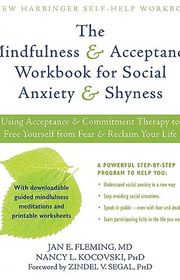
The Mindfulness and Acceptance Workbook for Social Anxiety and Shyness: Using Acceptance and Commitment Therapy to Free Yourself from Fear and Reclaim Your Life
For readers who prefer an acceptance-based approach to social fears. Fleming and Kocovski connect mindfulness, values, and practical exercises, though the emphasis on allowing uncomfortable feelings may take adjustment if you expect a method for eliminating anxiety.
What it's about
Jan Fleming and Nancy Kocovski present a workbook using acceptance and commitment therapy for social anxiety and shyness. Mindfulness exercises, reflection on personal values, and structured activities explore how readers can approach meaningful situations while making space for discomfort.

The Social Skills Guidebook
Manage Shyness, Improve Your Conversations, and Make Friends, Without Giving Up Who You Are
For readers who want conversation and friendship guidance alongside work on shyness. MacLeod connects emotional barriers with practical social questions, though the broad skills focus provides less concentrated treatment of anxiety patterns than a dedicated clinical workbook.
What it's about
Chris MacLeod addresses three common barriers to a satisfying social life: shyness and insecurity, conversation difficulties, and trouble making friends. Practical guidance covers facing social fears, listening, meeting people, and deepening relationships while retaining personal interests.

For readers who respond to direct encouragement and exercises about fear of judgment. Gazipura connects confidence with self-acceptance and action, though the motivational tone may appeal less to readers seeking a quieter, more methodical workbook.
What it's about
Aziz Gazipura examines the self-doubt and fear of judgment that can sustain social anxiety. He presents exercises and strategies for understanding oneself, developing self-acceptance, and taking practical steps toward greater confidence in social situations.

For readers who want the recognition and company of a candid personal account. Eastham's humor makes everyday difficulties feel discussable, though lived experience and practical reflections serve a different purpose from a structured skills workbook.
What it's about
Claire Eastham combines personal experience and humor with practical discussion of living with social anxiety. She explores university, work, social media, parties, and dating, alongside lifestyle choices and talking therapies that readers might consider when managing its effects.

For readers who are already following Richards's companion program. The handouts organize repeated work on thoughts and responses, though the book is designed to accompany audio or video material and is less self-contained than the general workbooks.
What it's about
Thomas Richards provides cognitive strategy handouts designed to accompany his social anxiety audio and video therapy series. The material addresses automatic negative thoughts, unhelpful beliefs, calming responses, and self-acceptance through a structured sequence of practice.

For readers interested in changing their relationship with anxiety and uncertainty. Wilson and DuFrene emphasize making room for difficult feelings while pursuing meaningful activities, though the broader acceptance-based discussion is less specific to social fears than other choices.
What it's about
Kelly Wilson and Troy DuFrene explore how to make room for anxiety while pursuing a meaningful life. Their guide examines why anxious feelings arise and the role they play, encouraging a different relationship with uncertainty and uncomfortable emotions.
Sources


Edited by
Software engineer whose passion for tracking book recommendations from podcasts inspired the creation of MRB.
Lead investor at 3one4 Capital whose startup expertise and love for books helped shape MRB and its growth.
Comments
Spotted a missing book, a wrong order or a mistake? Tell us and we'll fix this page.
We're a reading guide, not the author or publisher, so we can't send books or pass on messages.