
27 Best Anxiety Books
The best anxiety books, ranked by how many expert sources recommend each one, with notes for readers choosing workbooks, focused guides, or personal accounts.
Our take
Anxiety books range from structured workbooks to memoirs, historical investigations, and reflections on stress. Some focus on panic sensations or recurring worry. Others address social situations, intrusive thoughts, health concerns, or childhood fears. A useful starting point is to match the book’s scope and format with what you want to understand, rather than choosing by how confidently the title promises relief.
The Anxiety & Phobia Workbook offers a broad set of exercises, while The Anxiety and Worry Workbook follows a more concentrated cognitive behavioral approach. How to Be Yourself focuses on social anxiety, and What to Do When You Worry Too Much is designed for children with adult support. For personal perspective, My Age of Anxiety and On Edge combine lived experience with investigation. Notes on a Nervous Planet takes a broader look at modern pressures. Start with one relevant book and allow time for its exercises or ideas; reading can support understanding, while individual needs may call for professional guidance.
27 books · 17 sources · Last updated
As an Amazon Associate, we earn from qualifying purchases (at no extra cost to you).
How to choose from this list
Skip to the full rankingIf you want a broad workbook: The Anxiety & Phobia Workbook → The Anxiety and Worry Workbook
If you want to understand social anxiety: How to Be Yourself
If unwanted thoughts are your main concern: Overcoming Unwanted Intrusive Thoughts
If you're reading with a child: What to Do When You Worry Too Much
If you want a structured mindfulness introduction: Mindfulness
If you want memoir alongside research: On Edge → My Age of Anxiety
The 27 books, ranked
Ranked by how many expert sources name each book. Ties go to the book more people recommend.

The Anxiety & Phobia Workbook
For readers who want a broad workbook rather than a short motivational guide. Its range makes it useful for choosing exercises around particular concerns, but the amount of material requires sustained effort and may feel overwhelming at first.
What it's about
Edmund Bourne's workbook brings together exercises for anxiety and phobias, including relaxation, breathing, exposure, and examination of negative thoughts. It also discusses lifestyle, nutrition, medication, and relapse prevention as parts of a broader approach to managing anxiety.

For readers who want a memorable framework for responding differently to anxious sensations. The direct style makes the approach easy to follow, but its confident title should not be taken as a promise of rapid or universal results.
What it's about
Barry McDonagh presents his DARE approach to responding to anxiety and panic, including fears surrounding travel, shopping, intrusive thoughts, and sleep. The guide focuses on changing reactions to anxious sensations and returning to activities readers may have avoided.

For readers who find frightening bodily sensations central to their anxiety. Its steady explanation of fear feeding fear offers an accessible historical perspective, but the older language and examples need context alongside more recent resources.
What it's about
Claire Weekes explains the cycle in which frightening nervous symptoms and fear reinforce one another. Drawing on her work with patients, she offers step by step guidance for understanding those sensations and changing how readers respond to them.

The Worry Trick
How Your Brain Tricks You into Expecting the Worst and What You Can Do About It
For readers caught in repeated attempts to think their way out of worry. The focus on how responses can maintain the cycle gives the exercises coherence, but learning a different response requires practice rather than more reassurance.
What it's about
David Carbonell examines how attempts to suppress or avoid anxious thoughts can reinforce worry. Drawing on cognitive behavioral and acceptance-based approaches, he offers exercises for recognizing the pattern and responding differently to uncertainty.

For readers who want a substantial collection of cognitive exercises with worked examples. The detailed approach makes patterns of thinking easier to examine, but the many techniques require active practice and the subtitle overstates what any book can guarantee.
What it's about
David Burns presents cognitive behavioral exercises for anxiety, panic, and persistent worry. The book examines distorted thinking and offers methods for concerns including shyness, public speaking, examinations, and phobias, with examples showing how the exercises work.

For readers who want language for feeling easily overstimulated or affected by their surroundings. The focus on sensitivity may encourage reflection, but this is a book about a proposed personality trait rather than an anxiety-specific treatment workbook.
What it's about
Elaine Aron explores heightened sensitivity to surroundings and emotional experience. Her guide helps readers understand the trait she studies and consider ways to manage overstimulation, develop self-understanding, and approach daily life with greater confidence.
Also recommended by
2 people Graham Duncan recommended this book
Graham Duncan
Graham Duncan mentioned this book on "The Tim Ferriss Show" podcast.
Graham Duncan's recommendation of this book  Alanis Morissette recommended this book
Alanis Morissette
"Changed my life." - Alanis Morissette
Alanis Morissette's recommendation of this book

For readers who want a structured program centered on the fear of panic itself. Carbonell's worksheets and records make it more active than reassurance-focused reading, though sustained practice matters more than simply understanding the explanation.
What it's about
David Carbonell explains the cycle of fear surrounding panic attacks and presents a structured workbook for examining it. Breathing exercises, gradual exposure, relaxation, worksheets, and panic diaries form the core of his approach.
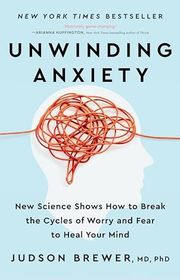
Unwinding Anxiety
For readers who like understanding worry through habits and repeated responses. The stepwise approach connects explanation with observation exercises, but the neuroscience framework is selective and applying the ideas takes more than simply recognizing a pattern.
What it's about
Brewer explores anxiety through habit loops, reward, and the ways people respond to discomfort. The book combines research, clinical stories, and exercises in awareness and curiosity, inviting readers to examine how repeated reactions can keep worry going.

Declutter Your Mind
How to Stop Worrying, Relieve Anxiety, and Eliminate Negative Thinking
For readers whose worry is tangled with competing priorities and mental clutter. Short exercises connect reflection with everyday organization, but its broad self-help focus offers less depth on specific anxiety problems than the dedicated workbooks.
What it's about
S.J. Scott and Barrie Davenport offer exercises for addressing mental clutter and recurring negative thoughts. Their approach combines mindfulness, reflection on personal values, and changes to goals, relationships, and distractions to help readers clarify their priorities.
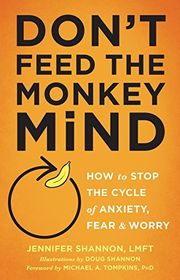
Don't Feed the Monkey Mind
For readers who want an approachable metaphor for recurring anxious thoughts. The focus on changing responses makes the exercises easy to connect, but the playful language may feel too simplified for readers seeking a detailed clinical explanation.
What it's about
Shannon uses the image of a chattering monkey to explain cycles of anxious thinking. Drawing on cognitive behavioral approaches, she examines attempts to gain certainty, perfection, and control, then presents exercises for responding differently to fear and worry.
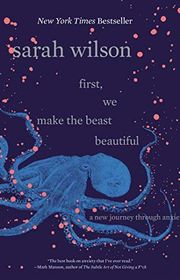
First, We Make the Beast Beautiful
For readers who want an exploratory personal account rather than a linear manual. The mixture of reflection, interviews, and experience offers several ways of thinking about anxiety, but its unconventional, digressive style will not suit everyone.
What it's about
Wilson investigates her experience of anxiety through personal stories, conversations, research, and philosophical reflection. The book considers how anxiety has shaped her choices and identity, moving between practical experiments and broader questions about living with an unsettled mind.

For readers whose anxiety centers on social situations and harsh self-evaluation. Examples connect the ideas with everyday encounters, but the focus is social anxiety rather than a comprehensive account of panic, phobias, or generalized worry.
What it's about
Ellen Hendriksen explores how social anxiety takes hold and persists, drawing on research, client stories, and her own experience. Practical techniques address self-critical thoughts and anxious behavior, helping readers consider how to participate more comfortably in social situations.

For readers who want memoir joined with the history and science of anxiety. The personal account makes abstract debates relatable, but its breadth and treatment history offer less step-by-step practice than a dedicated workbook.
What it's about
Scott Stossel combines his own experience of anxiety with an investigation of its history and treatment. Family stories, scientific research, philosophy, literature, psychotherapy, and medication reveal how people have understood and lived with anxious suffering.

Notes on a Nervous Planet
For readers who want personal reflections on feeling overwhelmed by modern life. The short sections connect anxiety with technology, news, and work, but they offer companionship and perspective rather than a structured clinical workbook.
What it's about
Drawing on his own experience of anxiety, Haig explores how news cycles, smartphones, social media and modern busyness can overwhelm us, then offers simple, practical ways to slow down, protect your mind and build a kinder relationship with the world.
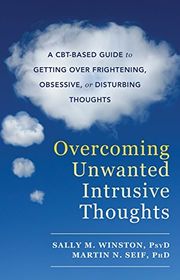
Overcoming Unwanted Intrusive Thoughts
For readers distressed by unwanted thoughts and preoccupied with what those thoughts mean. Its narrow focus distinguishes it from broader anxiety manuals, but the approach requires working with uncertainty rather than repeatedly seeking a reassuring explanation.
What it's about
Winston and Seif examine intrusive thoughts and the distress that can arise from interpreting or resisting them. The guide uses cognitive behavioral ideas and examples to explain recurring patterns, offering exercises focused on changing the relationship to unwanted mental events.

The Anxiety Toolkit
Strategies for Fine-Tuning Your Mind and Moving Past Your Stuck Points
For readers who recognize patterns such as rumination, hesitation, and perfectionism in daily life. The practical, selective format suits targeted reading, but it asks you to identify and repeatedly test the strategies most relevant to your situation.
What it's about
Alice Boyes examines habits that keep anxiety going, including rumination, hesitation, perfectionism, sensitivity to criticism, and negative predictions. Self assessments and practical strategies help readers recognize these patterns and experiment with different responses in everyday situations.
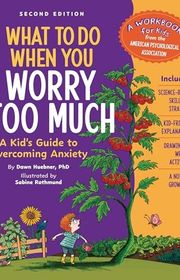
What to Do When You Worry Too Much
For adults seeking an interactive anxiety workbook to use with a child. Illustrations and concrete metaphors make the ideas accessible, but the activities need adult involvement and are written for children rather than independent adult self-help.
What it's about
Huebner introduces children to worry through illustrations, metaphors, and activities based on cognitive behavioral approaches. The updated second edition explains anxious thought cycles and offers exercises for developing different responses, with guidance intended for children and the adults supporting them.

For readers seeking Buddhist reflections on fear, uncertainty, and emotional pain. The short teachings offer a contemplative alternative to worksheets, but their spiritual framework and open-ended approach differ from a structured guide to anxiety symptoms.
What it's about
Pema Chödrön draws on Buddhist wisdom to explore living with fear, anxiety, and pain. She suggests approaching difficult experience with openness, offering practices aimed at changing habitual responses to suffering and developing compassion for oneself and others.
Also recommended by
5 people Krista Tippett recommended this book
Krista Tippett
"Kind of a sacred text that I carry around with me at all times because things are always falling apart." - Krista Tippett
Krista Tippett's recommendation of this book  Tara Brach recommended this book
Tara Brach
"Wonderful." - Tara Brach
Tara Brach's recommendation of this book  Jerry Colonna recommended this book
Jerry Colonna
"The first laying out of Buddhist dharma as a path." - Jerry Colonna
Jerry Colonna's recommendation of this book  Liz Lambert recommended this book
Liz Lambert
"Has been important to me, and I’ve given to people in my life because it had an impact on me." - Liz Lambert
Liz Lambert's recommendation of this book  Matt Haig recommended this book
Matt Haig
"A gift for anyone going through a rocky tim." - Matt Haig
Matt Haig's recommendation of this book

For readers who want a scheduled introduction to mindfulness practice. The eight-week structure gives the exercises continuity, but it depends on regular participation and offers less targeted discussion of specific anxiety problems than the specialized guides.
What it's about
Mark Williams and Danny Penman present an eight-week program based on mindfulness-based cognitive therapy. Brief daily meditation practices guide readers in observing thoughts and habitual reactions, with exercises intended to address the pressures and anxieties of everyday life.
Also recommended by
2 people Will MacAskill recommended this book
Will MacAskill
"It’s significantly improved my life." - Will MacAskill
Will MacAskill's recommendation of this book  Arianna Huffington recommended this book
Arianna Huffington
Arianna Huffington mentioned this book in her book "Thrive."
Arianna Huffington's recommendation of this book
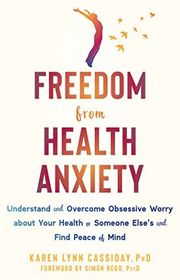
Freedom from Health Anxiety
For readers whose worry centers on illness, checking, and repeated reassurance. The specialized focus makes it more relevant than a general stress book, but it addresses anxiety patterns and cannot determine the cause of a physical symptom.
What it's about
Cassiday examines persistent fears about personal health or the health of loved ones. The guide discusses checking, reassurance, online symptom searching, and rumination, presenting exercises intended to help readers understand and change patterns that keep health-related worry going.

From Panic to Power
Proven Techniques to Calm Your Anxieties, Conquer Your Fears, and Put You in Control of Your Life
For readers who prefer encouragement grounded in an author’s experience of panic and avoidance. The personal voice can make the exercises approachable, but the older, program-based framework is narrower than a contemporary overview of anxiety care.
What it's about
Lucinda Bassett combines her experience of anxiety and agoraphobia with case histories and practical exercises. She explains the approach developed through her Attacking Anxiety program, addressing fearful thinking, self confidence, and responses to panic.
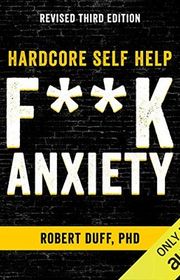
Hardcore Self Help: F**k Anxiety
For readers who find conventional self-help language distancing or tedious. Its brief, blunt, humorous style offers a low-barrier introduction, but frequent swearing and limited depth make it less suitable for readers wanting a substantial workbook.
What it's about
Duff introduces anxiety and coping ideas in an informal style that uses humor and profanity. The concise guide discusses anxious reactions and ways to approach them, aiming to make the subject more approachable for readers put off by traditional self-help.
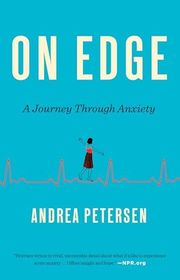
On Edge
For readers who want memoir combined with a reporter’s investigation of anxiety. The movement between lived experience and research gives the subject several angles, but its treatment discussions reflect the period of reporting rather than a current care guide.
What it's about
Petersen recounts living with anxiety while investigating research, treatment, and family history. Her reporting connects personal experiences of panic and avoidance with questions about why anxiety develops, how it affects relationships, and how people seek help.
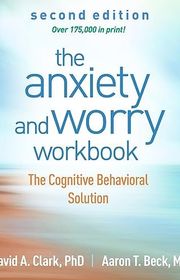
The Anxiety and Worry Workbook
For readers willing to work through a structured cognitive behavioral programme. The worksheets and examples support detailed examination of thoughts and behaviors, but the method requires regular written practice and may be easier to sustain with guidance.
What it's about
Clark and Beck present exercises grounded in cognitive behavioral therapy for examining anxiety and persistent worry. Worksheets and examples guide readers through identifying triggers, evaluating beliefs, and considering behavioral responses, with a structured format for recording and reviewing practice.
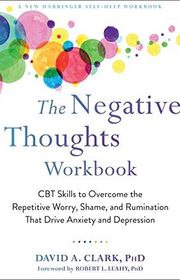
The Negative Thoughts Workbook
For readers whose difficulty is repetitive worry, rumination, or self-criticism across different emotions. The workbook provides a focused way to examine recurring thinking, but completing and revisiting exercises demands more effort than reading a general introduction.
What it's about
Clark presents cognitive behavioral exercises for repetitive negative thinking associated with worry, shame, regret, and other difficult emotions. The workbook helps readers examine patterns and responses through structured activities, linking explanations with opportunities to record and review their own experience.

The Stress-Proof Brain
Master Your Emotional Response to Stress Using Mindfulness and Neuroplasticity
For readers interested in everyday stress responses and mindfulness exercises. Its broad discussion connects habits with emotional reactions, but it is less focused on specific anxiety problems, and the title should not imply complete protection from stress.
What it's about
Melanie Greenberg explores how stress affects emotional responses and habitual thinking. Combining mindfulness with psychological exercises and discussion of neuroplasticity, she offers ways to identify stressors, respond more deliberately, and develop resilience.
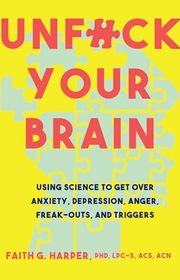
Unfuck Your Brain
For readers who prefer an informal introduction with humor and profanity. The conversational explanations lower the barrier to discussing distress, but the coverage spans several emotional problems and lacks the depth of a specialized anxiety workbook.
What it's about
Harper introduces connections between brain responses, difficult emotions, and behavior in a direct, conversational style. The book discusses anxiety alongside anger, depression, and triggers, combining explanations with practical prompts for understanding reactions and considering different ways to respond.
Sources
- 1
15 Best Books About Anxiety, According to Psychologists
goodhousekeeping.com
- 2
The Best Books About Anxiety of 2022
psychcentral.com
- 3
13 Best Books for Anxiety
healthline.com
- 4
Tired of Feeling So Anxious All the Time? These Are the 15 Best Books About Dealing With Anxiety
parade.com
- 5
Reading Round-Up: The 5 Best Anxiety Books To Read This Year
elevatecounseling.com
- 6
Anxiety Books
goodreads.com
- 7
Suggested Reading
panicla.com
- 8
Recommended Reading
anxietyla.com
- 9
Best Books for Anxiety: 27 Unlikely Essentials
choosingtherapy.com
- 10
looking for book recommendations that genuinely helped your anxiety
reddit.com
- 11
Which anxiety books have helped you the most, if any?
reddit.com
- 12
Need help finding books for overcoming panic
reddit.com
- 13
Drop your best book recs!
reddit.com
- 14
ADAA Books: Anxiety (General)
adaa.org
- 15
My Master Resource List for Panic Disorder
busseycounseling.com
- 16
ADAA Books: Panic Attacks, Panic Disorder, Agoraphobia
adaa.org
- 17
Books To Help You Cope With Anxiety
penguinrandomhouse.com


Edited by
Software engineer whose passion for tracking book recommendations from podcasts inspired the creation of MRB.
Lead investor at 3one4 Capital whose startup expertise and love for books helped shape MRB and its growth.
Comments
Did we miss something? Have feedback?
Help us improve this page by sharing your thoughts