
30 Best Self Confidence Books
The best self-confidence books, ranked by how many expert sources recommend each one, with notes on who each suits and where to begin building confidence.
Our take
Confidence can mean speaking up in a meeting, trying something unfamiliar, or trusting your judgment after a setback. Self-esteem reaches further into how you value yourself. These books approach both questions through exercises, personal stories, research, and motivational advice, so the right starting point depends on where doubt gets in your way.
The Confidence Gap focuses on acting while uncomfortable thoughts are still present. The Self-Confidence Workbook gives you written exercises and goals, while How to Be Yourself concentrates on social situations. For perfectionism and comparison, The Gifts of Imperfection offers a more reflective approach. Books such as You Are a Badass use humor and encouragement, which may appeal more if a formal workbook feels uninviting.
Choose a book that matches a situation you can practice in, rather than expecting one approach to answer every question about self-worth. Start with a practical workbook for regular exercises, or a narrower guide for the particular conversation, performance, or decision you keep avoiding.
30 books · 14 sources · Last updated
As an Amazon Associate, we earn from qualifying purchases (at no extra cost to you).
How to choose from this list
Skip to the full rankingIf you want structured exercises: The Self-Confidence Workbook → Self-Esteem
If doubt keeps delaying action: The Confidence Gap → Feel the Fear and Do It Anyway®
If social situations are the difficulty: How to Be Yourself
If you want to speak or perform under pressure: How to Own the Room → The Confident Mind
If perfectionism undermines your self-worth: The Gifts of Imperfection → Daring Greatly
The 30 books, ranked
Ranked by how many expert sources name each book. Ties go to the book more people recommend.

You Are a Badass
How to Stop Doubting Your Greatness and Start Living an Awesome Life
For readers who respond to humor and a direct motivational push. The short chapters make it easy to dip into, though its spiritual outlook and sweeping encouragement won't suit readers seeking a structured psychological workbook.
What it's about
Jen Sincero uses personal stories, humor, and exercises to address self-doubt and habits that interfere with personal ambitions. Her motivational guide encourages readers to examine limiting beliefs, make deliberate changes, and pursue a life aligned with their desires.

For readers who keep postponing action until they feel ready. Harris offers exercises for acting alongside doubt, making this a practical alternative to positive-thinking books, though it asks you to tolerate discomfort and practice consistently.
What it's about
Russ Harris applies acceptance and commitment therapy to fear and self-doubt. Mindfulness exercises and reflection on personal values show how readers can change their relationship with uncomfortable thoughts and feelings and take meaningful action without waiting to feel confident.

For women examining hesitation, risk, and visibility at work. Kay and Shipman connect personal doubt with professional experiences, though the focus on successful public figures makes it less directly applicable to every reader's circumstances.
What it's about
Katty Kay and Claire Shipman investigate confidence through research and the experiences of women in public and professional life. They examine how behavior, upbringing, and self-doubt affect action, arguing that confidence develops through practice and accepting failure.

The Six Pillars of Self-Esteem
The Definitive Work on Self-Esteem by the Leading Pioneer in the Field
For readers who want a sustained framework for understanding self-esteem. Its six practices give reflection more structure than most motivational books here, though the philosophical discussion can feel dense and places substantial emphasis on individual responsibility.
What it's about
Nathaniel Branden presents six practices that he considers foundational to self-esteem and explains their use in daily life. His discussion extends to parenting, education, work, psychotherapy, and culture, combining psychological reflections with exercises for examining personal habits.
Also recommended by
1 person Neil Strauss recommended this book
Neil Strauss
"Basically defined the modern idea of self-esteem." - Neil Strauss
Neil Strauss's recommendation of this book

For readers whose fear of judgment makes openness difficult at home or work. Brown connects confidence with vulnerability and relationships, though the broad reflections offer less step-by-step practice than a dedicated workbook.
What it's about
Drawing on years of research, this book reframes vulnerability as courage rather than weakness, exploring how shame and scarcity hold us back and offering practical ways to dare greatly in love, parenting, work, and leadership.
Also recommended by
5 people Matt Mullenweg recommended this book
Matt Mullenweg
"[Be] willing to show your own weaknesses and emotions and be vulnerable. I think [this book] talks about this really well." - Matt Mullenweg
Matt Mullenweg's recommendation of this book  Chase Jarvis recommended this book
Chase Jarvis
Chase Jarvis mentioned this book on "The Tim Ferriss Show" podcast.
Chase Jarvis's recommendation of this book  Melinda Gates recommended this book
Melinda Gates
Melinda Gates recommended this book on Likewise.com.
Melinda Gates's recommendation of this book  Sophia Bush recommended this book
Sophia Bush
"It's an amazing book, and will educate you about expectation, happiness, & vulnerability." - Sophia Bush
Sophia Bush's recommendation of this book  Tom Bilyeu recommended this book
Tom Bilyeu
Tom Bilyeu recommended this book on his website.
Tom Bilyeu's recommendation of this book

The Power of Self-Confidence
Become Unstoppable, Irresistible, and Unafraid in Every Area of Your Life
For readers who want confidence tied to goals, preparation, and competence. Tracy's direct exercises suit a business-minded approach, though the repeated encouragement and broad promises can feel less nuanced than the therapy-based books.
What it's about
Brian Tracy presents self confidence as a capacity developed through regular mental practice and action. He discusses purpose, competence, personal strengths, and responses to adversity, offering exercises intended to help readers approach uncertainty and ambitious goals with greater assurance.
Also recommended by
1 person Chris Do recommended this book
Chris Do
"If you want to explore how to grow your self confidence, check out this book." - Chris Do
Chris Do's recommendation of this book

The Gifts of Imperfection
Let Go of Who You Think You're Supposed to Be and Embrace Who You Are
For readers worn down by perfectionism and comparison. Its guideposts offer a gentler starting point than the forceful motivational books here, though putting the reflective ideas into a regular practice takes initiative.
What it's about
Brown invites readers into wholehearted living by letting go of who we think we should be. Through ten guideposts she shows how courage, compassion, and connection grow when we release perfectionism, comparison, and numbing and embrace our imperfect selves.
Also recommended by
1 person- Melinda Gates recommended this book
Melinda Gates
Melinda Gates recommended this book on Likewise.com.
Melinda Gates's recommendation of this book

Feel the Fear and Do It Anyway®
Dynamic techniques for turning Fear, Indecision and Anger into Power, Action and Love
For readers who recognize fear but keep waiting for it to disappear. Jeffers offers accessible encouragement and exercises for moving forward, though the broad positive framework has less depth than the more structured workbooks.
What it's about
Susan Jeffers offers exercises and practical tools for acting despite fear, indecision, and self-doubt. Her self-help approach addresses worries such as rejection, failure, and change, encouraging readers to reconsider their responses and build confidence through action.

The Art of Extraordinary Confidence
Your Ultimate Path To Love, Wealth, and Freedom
For readers who want a push toward asking, speaking, and acting despite discomfort. Gazipura gives social confidence a practical emphasis, though his forceful tone may feel demanding if you prefer a gentler workbook.
What it's about
Aziz Gazipura combines stories, exercises, and humor to address self-doubt and fear. His approach links confidence with asking for what one wants, navigating social situations, and pursuing relationships and career goals despite uncomfortable feelings or negative thinking.

How to Have Confidence and Power in Dealing With People
For readers whose confidence falters in everyday conversations, Giblin concentrates on understanding other people and improving interactions. Its social focus is useful, though the older language and assumptions need adapting to contemporary relationships.
What it's about
Les Giblin presents a practical approach to communication based on understanding people as they are. His guide examines interpersonal behavior and confidence, offering ways to improve interactions and build more effective relationships in everyday personal and professional life.

The Self Confidence Workbook
A Guide to Overcoming Self-Doubt and Improving Self-Esteem
For readers who want prompts and exercises rather than a motivational narrative, Markway and Ampel provide a structured way to examine self-doubt. The manageable steps invite steady practice, though writing and revisiting answers takes commitment.
What it's about
Barbara Markway and Celia Ampel offer a five-step approach to understanding self-doubt and building self-acceptance. Goal setting, reflections, checklists, and exercises guide readers through fears and self-criticism, drawing on mindfulness and self-compassion in everyday situations.

For readers who respond to blunt language and a push toward action. Bishop's short assertions offer a memorable starting point, though the confrontational tone and emphasis on personal responsibility can feel harsh rather than reassuring.
What it's about
Gary John Bishop challenges habitual negative self-talk through seven personal assertions about willingness, uncertainty, and action. His direct, profane approach emphasizes changing behavior, questioning expectations, and pursuing goals without waiting for thoughts or circumstances to improve.

Girl, Wash Your Face
Stop Believing the Lies About Who You Are so You Can Become Who You Were Meant to Be
For readers who prefer personal stories about ambition, motherhood, and self-doubt to a formal workbook. Hollis's conversational approach is easy to enter, though her experience and motivational assumptions won't reflect everyone's life.
What it's about
Rachel Hollis combines personal stories with motivational guidance to challenge beliefs she considers limiting. Chapters address procrastination, motherhood, relationships, body image, and ambition, encouraging readers to examine the stories they tell themselves about their worth.

For readers whose confidence falters mainly around other people. Hendriksen combines personal understanding of social anxiety with concrete suggestions, though the specific social focus offers less help with broader questions of purpose or ambition.
What it's about
Ellen Hendriksen explores how social anxiety takes hold and persists, drawing on research, client stories, and her own experience. Practical techniques address self-critical thoughts and anxious behavior, helping readers consider how to participate more comfortably in social situations.
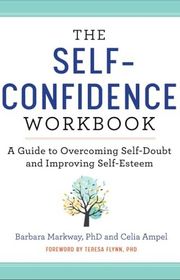
The Self-Confidence Workbook
For readers who want to write, track goals, and practice between chapters. The exercises give it more structure than the motivational titles here, though you need to make time for the work yourself.
What it's about
Barbara Markway and Celia Ampel present a program of goal setting, self-acceptance, mindfulness, and self-compassion. Reflections, quizzes, and checklists invite readers to examine self-doubt and practice confidence in relationships, work, and daily life.

For readers curious about confidence through a hypnotherapist's approach to beliefs and habits. Peer's emphasis differs from the acceptance-based books here, though readers seeking a detailed skills workbook may find the broad promises less helpful.
What it's about
Marisa Peer presents a program for changing negative thought patterns and developing self-esteem. Drawing on her hypnotherapy approach, she encourages readers to examine harmful habits and others' judgments while working toward greater self-acceptance and personal confidence.

How To Win Friends and Influence People
For readers who want confidence through better conversations and working relationships. Its concrete interpersonal principles complement the inward-looking books here, though it focuses on social effectiveness more than the roots of low self-worth.
What it's about
Carnegie presents practical guidance for building relationships, communicating effectively, and influencing others. Stories and principles explore social confidence, leadership, and cooperation, offering approaches readers can apply to interactions in their personal lives and at work.
Also recommended by
18 people Warren Buffett recommended this book
Warren Buffett
"In my office, you will not see the degree I have from the University of Nebraska, or the master’s degree I have from Columbia University, but you’ll see the certificate I got from the Dale Carnegie course." - Warren Buffett
Warren Buffett's recommendation of this book  Scott Adams recommended this book
Scott Adams
One of the books on Scott Adams' "Persuasion Reading List."
Scott Adams's recommendation of this book  Dave Ramsey recommended this book
Dave Ramsey
Recommended on Dave Ramsey's website.
Dave Ramsey's recommendation of this book  Paul Graham recommended this book
Paul Graham
"The one book we encourage startup founders to read. [...] It's critically important for anyone in business." - Paul Graham
Paul Graham's recommendation of this book  Derek Sivers recommended this book
Derek Sivers
Derek Sivers mentioned this book on "The Tim Ferriss Show" podcast.
Derek Sivers's recommendation of this book  Dustin Moskovitz recommended this book
Dustin Moskovitz
"Seek to be understood." - Dustin Moskovitz
Dustin Moskovitz's recommendation of this book +12
More recommendations
- Ken Block
"One of the first books that really helped me achieve my management style and what’s helped me really be successful." - Ken Block
- DJ Vlad
Most Recommended Books reached out to DJ Vlad directly.
- Strauss Zelnick
"Archaic references and overweening title to the side, it’s actually a great guide to leadership and salesmanship." - Strauss Zelnick
- Daymond John
"I love all the Dale Carnegie books." - Daymond John
- Shay Carl
"A staple that I have listened to three or four times." - Shay Carl
- Tim Draper
"[One of the books] that are recommended or required at Draper University." - Tim Draper
- Sahil Lavingia
Sahil Lavingia recommended this book on Notion.
- Barbara Corcoran
"A must read for anyone in business." - Barbara Corcoran
- Alex Hormozi
Alex Hormozi recommended this book on Instagram.
- Michael Hyatt
Michael Hyatt recommended this book on his website.
- Ben Greenfield
Most Recommended Books reached out to Ben Greenfield directly.
- Patrick Bet-David
Patrick Bet-David recommended this book on his website.
- Ken Block

The Magic of Thinking Big
For readers who want encouragement to set larger goals and challenge habitual pessimism. Its direct, business-oriented advice is easy to follow, though the older examples and emphasis on attitude can feel dated or oversimplified.
What it's about
David J. Schwartz explores how confidence and ambitious thinking can influence personal and professional action. He offers methods for challenging disbelief, developing creative approaches to problems, and translating larger goals into practical plans and sustained effort.
Also recommended by
9 people Tim Ferriss recommended this book
Tim Ferriss
"I still personally read the first two chapters of this book whenever doubt creeps in." - Tim Ferriss
Tim Ferriss's recommendation of this book  Mr. Money Mustache recommended this book
Mr. Money Mustache
"A really, really old fashioned book if someone just wants to wake themselves up and start turning into more of a positive, less depressed person." - MMM
Mr. Money Mustache's recommendation of this book  Dave Camarillo recommended this book
Dave Camarillo
"[Tim Ferriss] put me on [to this book]." - Dave Camarillo
Dave Camarillo's recommendation of this book  Steve Harvey recommended this book
Steve Harvey
"Changed my life." - Steve Harvey
Steve Harvey's recommendation of this book  Jodie Cook recommended this book
Jodie Cook
"The sooner you read [this book] the sooner you will up your game." - Jodie Cook
Jodie Cook's recommendation of this book  Ali Abdaal recommended this book
Ali Abdaal
Ali Abdaal recommended this book on his website.
Ali Abdaal's recommendation of this book +3
More recommendations
- Jim Kwik
"You will learn how changing the way you think can become a blueprint for great success." - Jim Kwik
- Michael Hyatt
Michael Hyatt recommended this book on his website.
- Patrick Bet-David
Patrick Bet-David recommended this book on his website.
- Jim Kwik

For readers focused on interviews, presentations, and other high-pressure encounters. Its emphasis on how you carry yourself gives confidence a concrete setting, though it offers a narrower approach than books examining long-term self-worth.
What it's about
Amy Cuddy explores how people can approach difficult conversations, interviews, and other stressful moments with greater confidence and authenticity. She combines personal stories and research with suggested changes to body language, behavior, and the ways people think about themselves.
Also recommended by
1 person Shonda Rhimes recommended this book
Shonda Rhimes
"[This author] taught us to power pose, people. [This] book is everything." - Shonda Rhimes
Shonda Rhimes's recommendation of this book

For readers who prefer a small task to a long explanation, Davenport offers easy entry points for daily practice. The short format makes experimentation manageable, though individual tips leave little room for deeper psychological context.
What it's about
Barrie Davenport offers 99 small actions intended to build confidence through practice. Suggestions address conversations, relationships, career choices, body language, and negative thinking, encouraging readers to experiment with manageable changes rather than wait to feel ready.
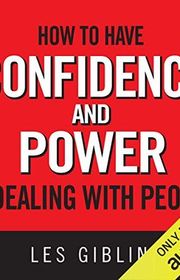
For readers who want confidence expressed through everyday interactions. Giblin's chapter summaries make the interpersonal advice easy to revisit, though its persuasive, results-oriented outlook feels more transactional than books centered on acceptance or vulnerability.
What it's about
Les Giblin discusses communication and human relations in personal and professional settings. His guide examines ways to seek cooperation, goodwill, and understanding, with chapter summaries that help readers revisit the suggested approaches to dealing with others.
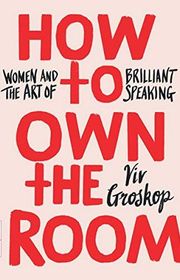
How to Own the Room
For women who want confidence when speaking in meetings or before an audience. Groskop's examples make presence easier to picture, though the focus on prominent speakers gives less attention to wider problems of self-esteem.
What it's about
Viv Groskop examines how women speak with authority and respond to performance anxiety. Drawing on public figures' speaking styles, she discusses presence, pacing, conviction, and the moments when expectations or power dynamics make a speaker feel small.
Self-Esteem
For readers who want a detailed program for examining self-critical thoughts. The cognitive exercises and acceptance-based material offer more sustained practice than memoir-led books, though the workbook approach asks for regular effort and reflection.
What it's about
Matthew McKay and Patrick Fanning present exercises for examining negative self-statements and developing a more balanced view of oneself. The fourth edition combines cognitive behavioral techniques with acceptance, personal values, and ways to respond differently to judgmental thoughts.

The Confidence Code for Girls
Taking Risks, Messing Up, & Becoming Your Amazingly Imperfect, Totally Powerful Self
For tween and teen girls who struggle with perfectionism or taking risks, the illustrated activities make confidence concrete and approachable. Its examples fit younger readers particularly well, though adults will want a more developed treatment.
What it's about
Katty Kay, Claire Shipman, and JillEllyn Riley introduce confidence through stories, quizzes, challenges, and illustrated comic strips. Aimed at tween and teen girls, the guide explores risk, failure, perfectionism, friendships, and pressures surrounding appearance and online life.
The Confident Mind
For readers preparing to perform under pressure in sport, work, or another demanding setting. Zinsser translates coaching experience into a practice-oriented approach, though the competitive examples fit performance goals more closely than everyday self-acceptance.
What it's about
Nate Zinsser draws on performance psychology and his work with military cadets and athletes to explore self-belief under pressure. He describes a program for preparing mentally, responding to doubt, and approaching demanding tasks with confidence.
The Mountain Is You
For readers who want reflective language for patterns of self-sabotage. Its short discussions invite you to examine resistance and emotional habits, though the broad metaphors provide less structure than a practical confidence workbook.
What it's about
Brianna Wiest uses the mountain as a metaphor for internal obstacles and conflicting needs. She explores self-sabotaging habits, emotional awareness, and responses to change, inviting readers to reconsider the patterns that interfere with their goals.

The Self-Love Experiment
Fifteen Principles for Becoming More Kind, Compassionate, and Accepting of Yourself
For readers who want a compassionate, reflective approach to harsh self-judgment. Kaiser's personal experience gives the principles an intimate tone, though the anecdotal guidance is less systematic than a workbook built around specific exercises.
What it's about
Kaiser draws on her experiences of depression, addiction and professional burnout to present fifteen principles of self-acceptance. She explores everyday habits, patterns of thought and compassionate responses to setbacks through personal reflections and exercises.

The Ultimate Secrets of Total Self-Confidence
A Proven Formula That Has Worked for Thousands
For readers drawn to classic motivational self-help, Anthony offers an accessible challenge to restrictive beliefs. The emphasis on personal agency can be encouraging, though claims about personal magnetism deserve more skepticism than the practical suggestions.
What it's about
Robert Anthony offers a self-help approach to developing confidence through imagination, communication, and goal-setting. He discusses fear, worry, guilt, and the tendency to conform, encouraging readers to reconsider beliefs that constrain their choices and self-image.

What To Say When You Talk To Your Self
For readers who want to notice and rewrite habitual negative self-talk. Its repeated verbal practice provides a simple daily focus, though the emphasis on positive statements differs from accepting difficult thoughts without trying to replace them.
What it's about
Shad Helmstetter examines the messages people repeat to themselves and proposes replacing negative patterns with constructive self-talk. His five-level framework offers ways to rethink habitual assumptions and use deliberate inner language to support personal goals.

Psycho-Cybernetics
For readers interested in the older self-image tradition behind many confidence books. Maltz's visualization and mental rehearsal exercises provide a clear point of comparison, though the mechanical metaphors call for critical reading.
What it's about
Maxwell Maltz argues that self-image shapes behavior and achievement. He presents visualization, relaxation, and mental rehearsal exercises intended to help readers change limiting assumptions, pursue goals, and develop a more constructive view of themselves.
Also recommended by
1 person Patrick Bet-David recommended this book
Patrick Bet-David
Patrick Bet-David recommended this book on his website.
Patrick Bet-David's recommendation of this book
Sources
- 1
21 Best Books on Confidence
choosingtherapy.com
- 2
Best Books for Self-Confidence | Practical Guides
foxtherapy.co.uk
- 3
The 32 Best Books on Confidence and Self-Esteem
upjourney.com
- 4
Need More Confidence? Here Are 12 Bestselling Books on Confidence
entrepreneur.com
- 5
12 best confidence books to boost self-esteem and self-worth | Woman & Home
womanandhome.com
- 6
Self Confidence Books
goodreads.com
- 7
Confidence Books
goodreads.com
- 8
18 Best Self-Confidence Books Reviewed and Ranked (2021)
socialself.com
- 9
10 Best Self-Confidence Books for Better Self-Esteem
nerdycreator.com
- 10
100 Best Confidence Books of All Time (Updated for 2025)
shortform.com
- 11
Need More Confidence? These 12 Bestselling Books Will Help Improve Your Self-Esteem
entrepreneur.com
- 12
Books that can help with self-esteem and self-confidence?
reddit.com
- 13
Which book can you recommend me?
reddit.com
- 14
My Top 10 Favourite Books to Build your Self-Confidence at Work and in Life
amandatobe.com


Edited by
Software engineer whose passion for tracking book recommendations from podcasts inspired the creation of MRB.
Lead investor at 3one4 Capital whose startup expertise and love for books helped shape MRB and its growth.
Comments
Spotted a missing book, a wrong order or a mistake? Tell us and we'll fix this page.
We're a reading guide, not the author or publisher, so we can't send books or pass on messages.