
12 Best Six Sigma Books
The best Six Sigma books, ranked by how many expert sources recommend each one, with notes on reader fit, project tools, study levels, and where to start.
Our take
Six Sigma uses a structured, data-based approach to understanding and improving processes. Lean adds attention to flow, delays, and work that does not create value. Books on the subject range from short explanations for employees to statistical references for project leaders. A certification handbook serves a different purpose from a management introduction, and a pocket reference works best when you already understand the methods it summarizes.
What is Lean Six Sigma? provides a brief orientation, while Lean Six Sigma For Dummies offers a broader starting point. The Six Sigma Way addresses organizational change and leadership. For practical work, The Lean Six Sigma Pocket Toolbook helps identify techniques, and Statistics for Six Sigma Black Belts concentrates on their quantitative use. The certification handbooks organize study at different belt levels, but their editions need matching to the current examination requirements. Start with an overview if the approach is unfamiliar, then choose a reference that fits your project responsibilities and statistical background.
12 books · 7 sources · Last updated
As an Amazon Associate, we earn from qualifying purchases (at no extra cost to you).
How to choose from this list
Skip to the full rankingIf you need a short first explanation: What is Lean Six Sigma? → Lean Six Sigma For Dummies
If you want leadership and deployment context: The Six Sigma Way
If you're choosing tools during a project: The Lean Six Sigma Pocket Toolbook
If you're studying Green Belt topics: The Certified Six Sigma Green Belt Handbook
If you need deeper statistical methods: Statistics for Six Sigma Black Belts → Implementing Six Sigma
The 12 books, ranked
Ranked by how many expert sources name each book. Ties go to the book more people recommend.

The Lean Six Sigma Pocket Toolbook
A Quick Reference Guide to 100 Tools for Improving Quality and Speed
For practitioners who need to choose or recall a tool during a project. Its compact organization makes it a useful desk companion, though brief explanations cannot replace initial training in the methods or their statistical assumptions.
What it's about
Michael George and his coauthors provide a compact reference to Lean and Six Sigma tools, grouped by purpose. Summaries and examples explain how to choose techniques for improvement projects and use the DMAIC problem-solving cycle.

The Six Sigma Handbook
A Complete Guide for Green Belts, Black Belts, and Managers at All Levels
For managers and technical practitioners who want deployment decisions connected with improvement methods. Its broad scope supports use beyond certification study, though the substantial reference format is less efficient for someone seeking a brief first explanation.
What it's about
Thomas Pyzdek and Paul Keller explain deploying Six Sigma projects around stakeholder requirements and data-driven management. This edition expands its treatment of innovation, strategic development, Lean, and constraint management, connecting organizational responsibilities with practical process improvement.
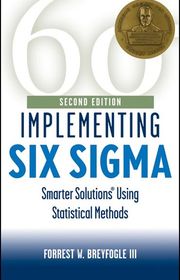
Implementing Six Sigma: Smarter Solutions Using Statistical Methods
For technically prepared readers who want extensive statistical methods tied to implementation. Its detailed treatment makes it useful beyond introductory belt material, though the length, older software context, and mathematical demands require selective, sustained study.
What it's about
Forrest Breyfogle develops a statistical approach to implementing Six Sigma, connecting improvement projects with measurement, analysis, and process control. Worked material addresses methods for understanding variation, evaluating performance, and translating data into decisions within an improvement program.

Lean Six Sigma For Dummies
For newcomers who want Lean and Six Sigma explained together in approachable language. Its practical checklists help connect ideas with organizational work, though the broad introduction gives less statistical depth than a practitioner handbook.
What it's about
Jo Dowdall and Martin Brenig-Jones explain Lean thinking and Six Sigma as approaches to improving organizational processes. Practical steps and checklists address reducing waste, managing change, assessing readiness, automating repetitive work, and sustaining improvements across different industries.

What is Lean Six Sigma?
For employees who need a short explanation before joining an improvement effort. Diagrams and workplace examples make the basic purpose clear, though the brief format provides orientation rather than the depth needed to lead a complex project.
What it's about
Michael George, David Rowlands, and Bill Kastle introduce Lean Six Sigma through diagrams and workplace examples. They connect speed and quality with process improvement, teamwork, customer needs, and decisions grounded in data.

For readers following the Council for Six Sigma Certification's training approach. Its belt-by-belt scope puts introductory and advanced material in one reference, though it should not be assumed to match every other provider's certification requirements.
What it's about
The Council for Six Sigma Certification presents training material ranging from introductory White and Yellow Belt concepts to advanced Black Belt methods. Statistics, software-based calculations, and industry applications connect the methodology with practical quality improvement work.
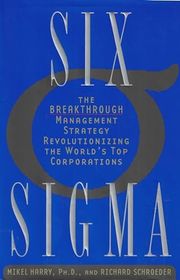
Six Sigma: The Breakthrough Management Strategy Revolutionizing the World's Top Corporations
For readers interested in the management thinking behind early corporate Six Sigma programs. Its organizational examples explain the business case, though the promotional tone and period-specific successes offer less balanced or detailed guidance for today's projects.
What it's about
Mikel Harry and Richard Schroeder explain Six Sigma as a management strategy for improving performance and reducing defects. Corporate examples connect statistical quality ideas with leadership, financial results, organizational roles, and the effort needed to deploy an improvement program.

For leaders who want to understand how improvement efforts fit organizational priorities. Its customer and management emphasis gives projects strategic context, though it offers less detailed statistical instruction than the specialist technical references.
What it's about
Peter Pande, Robert Neuman, and Roland Cavanagh explain Six Sigma as an approach to business improvement centered on customers and performance. This revised edition considers how organizations can use its principles to guide change and strengthen their improvement efforts.

Statistics for Six Sigma Black Belts
For Black Belt learners who need help selecting and interpreting statistical techniques. Stepwise examples connect methods with software use, though the Minitab-specific instructions may need adapting to the software version available to you.
What it's about
Matthew Barsalou provides a statistical reference for Six Sigma Black Belts, arranged by the DMAIC phases. Step-by-step examples and Minitab instructions explain selecting appropriate methods, checking assumptions, and interpreting results rather than relying on software calculations alone.

The Certified Six Sigma Black Belt Handbook
For practitioners using Kubiak and Benbow's established reference to review methods systematically. Its organized coverage remains useful for study, though this older edition should be checked against the current certification body of knowledge before exam preparation.
What it's about
T. M. Kubiak and Donald Benbow organize Six Sigma concepts around the ASQ Black Belt certification body of knowledge. The handbook serves both exam preparation and professional reference, covering quality improvement methods alongside supporting statistical material.

The Certified Six Sigma Green Belt Handbook
For Green Belt learners who want an organized reference connecting DMAIC with project and statistical topics. Its breadth supports structured revision, though this edition's coverage needs checking against the current requirements of the examination you intend to take.
What it's about
Roderick Munro and his coauthors provide a reference for Green Belt certification, training, and project work. Organized around the ASQ body of knowledge, it explains DMAIC alongside Lean principles, project management, statistics, and data analysis.

A Guide to Six Sigma and Process Improvement for Practitioners and Students
Foundations, DMAIC, Tools, Cases, and Certification
For students and practitioners who want DMAIC connected with worked cases and statistical methods. Its combination of management and technical material supports a fuller course, though the textbook treatment requires more sustained study than a quick overview.
What it's about
Howard Gitlow and his coauthors explain implementing Six Sigma through the Define, Measure, Analyze, Improve, and Control phases. Manufacturing and service case studies connect management responsibilities with statistical tools, including control charts, hypothesis testing, and experimental design.
Sources
- 1
The 9 Best Lean Six Sigma Books for Professionals to Consider Reading
solutionsreview.com
- 2
10 Best Six Sigma Lean Books
tulip.co
- 3
Our Top 10 Lean Six Sigma Books
insights.btoes.com
- 4
Six Sigma Books
goodreads.com
- 5
References - Six Sigma Black Belt Certification (CSSBB)
asq.org
- 6
Recommended Books for Six Sigma Green Belt vs. Black Belt Certification
reddit.com
- 7
Best 10 Books to Read for a Six Sigma Certification
simplilearn.com









Edited by
Software engineer whose passion for tracking book recommendations from podcasts inspired the creation of MRB.
Lead investor at 3one4 Capital whose startup expertise and love for books helped shape MRB and its growth.
Comments
Spotted a missing book, a wrong order or a mistake? Tell us and we'll fix this page.
We're a reading guide, not the author or publisher, so we can't send books or pass on messages.