
12 Best James Baldwin Books
The best James Baldwin books, ranked by how many expert sources recommend each one, with notes for newcomers choosing between his fiction, essays, and plays.
Our take
James Baldwin’s novels and essays examine the pressures that race, faith, sexuality, and family place on intimate life. His fiction moves between close psychological portraits and larger networks of friends and lovers. His nonfiction joins personal memory with criticism of literature, religion, politics, and popular culture. Across both, he asks what people must face in themselves before they can understand one another.
For a short nonfiction introduction, begin with The Fire Next Time, then try the wider range of Notes of a Native Son. Fiction readers can start with Giovanni's Room for a concentrated study of desire and self-deception, or Go Tell It on the Mountain for family and religious life. Another Country offers a broader ensemble, while Going to Meet the Man presents shorter fiction. Later, explore the political memories of No Name in the Street, the film criticism of The Devil Finds Work, or the drama of The Amen Corner.
12 books · 8 sources · Last updated
As an Amazon Associate, we earn from qualifying purchases (at no extra cost to you).
Reading James Baldwin in order? See all James Baldwin books in order
How to choose from this list
Skip to the full rankingIf you're starting with essays: The Fire Next Time → Notes of a Native Son
If you want a short novel: Giovanni's Room
If you're interested in family and faith: Go Tell It on the Mountain → The Amen Corner
If you want a larger fictional world: Another Country
If you prefer short stories: Going to Meet the Man
If you want his later nonfiction: No Name in the Street → The Devil Finds Work
The 12 books, ranked
Ranked by how many expert sources name each book. Ties go to the book more people recommend.
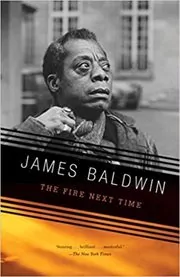
The Fire Next Time
For readers seeking a short introduction to Baldwin’s arguments about race, religion, and America. Its direct address gives the essays particular urgency, though the compressed form offers less range than a full collection of his nonfiction.
What it's about
Composed of two linked essays, The Fire Next Time begins as a letter to Baldwin's nephew and widens into a fierce meditation on race, religion, and history, urging America to confront its racial nightmare before it is too late.
Also recommended by
2 people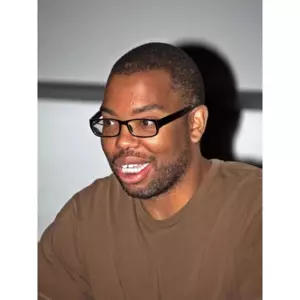 Ta-Nehisi Coates recommended this book
Ta-Nehisi Coates
"Basically the finest essay I've ever read." - Ta-Nehisi Coates
Ta-Nehisi Coates's recommendation of this book  Diane Rehm recommended this book
Diane Rehm
"Was a national best seller and was seen as a voice for the emerging Civil Rights movement." - Diane Rehm
Diane Rehm's recommendation of this book
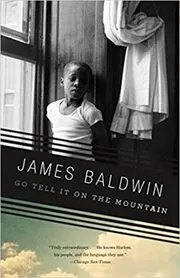
Go Tell It on the Mountain
For readers who want to begin with Baldwin’s fiction and its roots in family and religious life. The concentrated setting carries a wide emotional history, though shifts into memory and scriptural rhythms ask for close attention.
What it's about
Drawing on Baldwin's own youth, this novel centers on John Grimes, a preacher's stepson in 1930s Harlem, as a single day in church and memory forces him to confront faith, family secrets, and the weight of his father's rage.
Also recommended by
1 person Levar Burton recommended this book
Levar Burton
One of Levar Burton's book recommendations.
Levar Burton's recommendation of this book
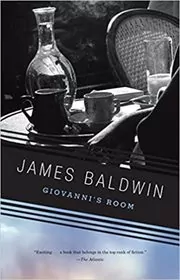
Giovanni's Room
For readers drawn to intimate fiction about desire, shame, and self-deception. Its compact scale makes it an accessible entry to Baldwin’s novels, though the emotional pressure and retrospective narration offer little distance from the characters’ distress.
What it's about
Set in 1950s Paris, this short novel follows David, an American man engaged to a woman, whose love affair with the Italian bartender Giovanni forces him to face his sexuality, self deception, and the cost of living a lie.
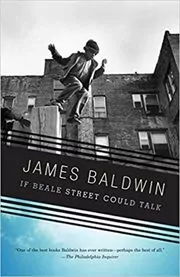
If Beale Street Could Talk
For readers who want Baldwin’s social criticism carried through an intimate love story. Its personal focus makes institutional injustice emotionally immediate, though the tenderness sits alongside sustained uncertainty and painful material rather than a reassuring romance.
What it's about
Told from the perspective of nineteen year old Tish, this Harlem love story follows her fight to free her fiancé Fonny after he is jailed on a false charge. Family loyalty, systemic racism, and hope collide as she carries their child.
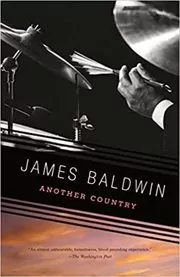
Another Country
For readers who want a larger social world than the intimate focus of Giovanni’s Room. The multiple perspectives deepen questions about intimacy and race, though the changing viewpoints and sustained emotional conflict make it a demanding first choice.
What it's about
Beginning with the fall of a brilliant Black jazz musician, this sprawling novel follows his friends and lovers across Harlem, Greenwich Village, and Paris. Baldwin explores interracial relationships, queerness, and betrayal in a city simmering with racial tension.
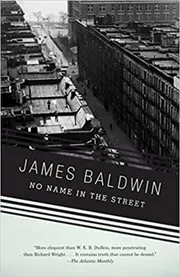
No Name in the Street
For readers ready for Baldwin’s later reflections on political violence, memory, and the civil rights struggle. Its personal perspective deepens the earlier essays, though the fragmented movement through events rewards familiarity with the period and his life.
What it's about
In this memoiristic work Baldwin reflects on the assassinations of friends like Medgar Evers, Malcolm X, and Martin Luther King Jr., his own travels through the South and abroad, and the unfinished business of the civil rights era.
Nobody Knows My Name
For readers ready to follow Baldwin further into literary arguments and the public role of the writer. Its essays extend the questions of Notes of a Native Son, though the people and controversies discussed sometimes require background reading.
What it's about
In these essays Baldwin returns from abroad to examine America in the late 1950s. He writes about the South, the civil rights struggle, literary idols and rivals, and the uneasy role of the Black writer in a segregated country.
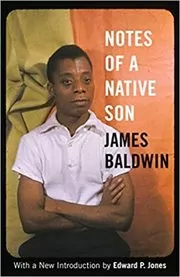
Notes of a Native Son
For readers who want Baldwin’s personal writing and cultural criticism together. The variety gives a broader introduction to his essay voice than The Fire Next Time, though individual pieces benefit from context about mid-century literature and politics.
What it's about
This landmark essay collection blends memoir and criticism, including Baldwin's account of his father's death and the 1943 Harlem riot. Across ten pieces he examines race, religion, and colonialism in the United States and Europe.
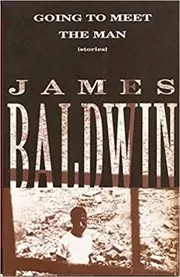
For readers who want Baldwin’s fiction in shorter forms with varied voices and settings. The collection allows selective reading, though concentrated depictions of racism, violence, and suffering can make the stories more difficult than their length suggests.
What it's about
This story collection gathers eight of Baldwin's most powerful pieces of fiction, including Sonny's Blues. The tales portray children, lovers, and lawmen confronting racism, addiction, sexuality, and violence in Harlem and the Jim Crow South.
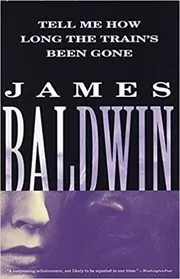
Tell Me How Long the Train's Been Gone
For readers interested in how artistic ambition, sexuality, and public identity intersect across a life. Its expansive retrospective perspective offers more room than the shorter novels, though the movement through memory can feel diffuse.
What it's about
Leo Proudhammer, a successful Black actor, collapses onstage and looks back over his life, from a poor Harlem childhood to bohemian Greenwich Village and the civil rights era. The novel explores art, bisexual desire, politics, and the price of fame.
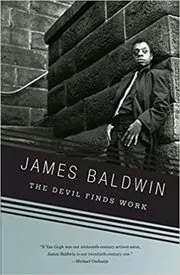
The Devil Finds Work
For readers who want to see Baldwin apply his critical attention to cinema. Personal memories of watching films make the cultural argument distinctive, though knowing the films discussed adds texture and the essay follows associations rather than a survey structure.
What it's about
Part memoir, part film criticism, this extended essay traces Baldwin's life at the movies from childhood matinees to Hollywood thrillers. Reading films alongside American history, he exposes how cinema both reflects and reinforces racist fantasies.
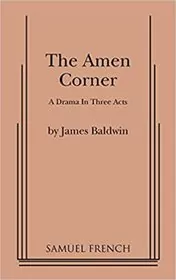
For readers interested in Baldwin’s theatrical writing and the tensions between faith and family. The dramatic form makes conflict unfold through voices and encounters, though a script leaves performance, movement, and much emotional interpretation to the reader.
What it's about
Set in a small Harlem church and the adjoining apartment, this play follows Pastor Margaret Alexander as the return of her estranged husband and her son's growing love of jazz force her to confront hypocrisy, faith, and family sacrifice.
Sources
- 1
The Best James Baldwin Books
fivebooks.com
- 2
9 Best James Baldwin Books to Read
hookedtobooks.com
- 3
10 James Baldwin Books to Read in Your Lifetime
oprahdaily.com
- 4
James Baldwin's Works
sites.prh.com
- 5
Where to start with James Baldwin
penguin.co.uk
- 6
James Baldwin Books
goodreads.com
- 7
James Baldwin
reddit.com
- 8
A READER’S GUIDE TO JAMES BALDWIN
baldwinproject.org





Edited by
Software engineer whose passion for tracking book recommendations from podcasts inspired the creation of MRB.
Lead investor at 3one4 Capital whose startup expertise and love for books helped shape MRB and its growth.
Comments
Spotted a missing book, a wrong order or a mistake? Tell us and we'll fix this page.
We're a reading guide, not the author or publisher, so we can't send books or pass on messages.