
15 Best Blacksmithing Books
The best blacksmithing books, ranked by how many expert sources recommend each one, with notes on who each suits, from first projects to specialist techniques.
Our take
Blacksmithing books range from introductions to heating and moving metal to detailed studies of tools, decoration, and blades. The right choice depends on what you want to make and whether you need a first course, a project collection, or a reference beside the forge.
The Backyard Blacksmith and The Home Blacksmith connect basic techniques with objects a beginner can recognize and practice making. A Blacksmithing Primer offers a more deliberate teaching sequence. The Complete Modern Blacksmith emphasizes tools and resourcefulness, while New Edge of the Anvil reaches into design and professional practice. For a different direction, The Artist Blacksmith explores creative ironwork. Knife-making books narrow the subject considerably, so their equipment and techniques won't answer every general forging question. Photographs, line drawings, and historical examples also suit different learning styles.
Start with The Backyard Blacksmith for a visual introduction, then choose a technical or project-focused companion that matches what you want to forge.
15 books · 8 sources · Last updated
As an Amazon Associate, we earn from qualifying purchases (at no extra cost to you).
How to choose from this list
Skip to the full rankingIf you're learning the basics: The Backyard Blacksmith → A Blacksmithing Primer
If you're setting up a home forge: The Home Blacksmith
If you want to make and repair tools: Basic Blacksmithing → The Complete Modern Blacksmith
If you want creative ironwork: The Artist Blacksmith → New Edge of the Anvil
If you're starting to make knives: Wayne Goddard's $50 Knife Shop, Revised → The Complete Bladesmith
The 15 books, ranked
Ranked by how many expert sources name each book. Ties go to the book more people recommend.

The Backyard Blacksmith
For beginners who learn best from photographs and achievable objects, Sims provides an approachable route into forging. The projects make basic techniques tangible, though readers seeking extensive metallurgy or professional production methods will need more detail.
What it's about
Lorelei Sims introduces home blacksmithing through tools, metals, fire tending, and heating techniques. Illustrated projects progress from useful hardware to decorative objects, showing beginners how nails, hinges, hooks, door knockers, and botanical ornaments emerge from shaped metal.

The Complete Modern Blacksmith
For resourceful readers interested in making, repairing, and adapting tools, Weygers offers a distinctive illustrated approach. The emphasis on working with modest resources encourages ingenuity, though historical methods need judgment about contemporary materials and workshop practice.
What it's about
Alexander Weygers brings together three manuals on blacksmithing, toolmaking, and repairing or reusing tools. Detailed drawings and practical instructions emphasize basic shop equipment and scrap steel, showing how to design, forge, sharpen, and restore useful objects.

The Home Blacksmith
Tools, Techniques, and 40 Practical Projects for the Home Blacksmith
For beginners planning a home forge, Ridgway combines setup explanations with a wide choice of useful projects. The breadth helps readers find a motivating first object, though developing reliable technique still requires repeated hands-on practice.
What it's about
Ryan Ridgway introduces blacksmithing through the physics of moving metal, forge and anvil choices, and fuel options. Forty projects apply the techniques to tools, farm hardware, and household objects, addressing practical questions that arise when setting up and using a home forge.

For readers interested in practical toolmaking with locally available materials, Harries and Heer keep equipment needs central. Its resource-conscious approach is distinctive, though the illustrated technical instruction takes careful study rather than casual browsing.
What it's about
David Harries and Bernhard Heer introduce toolmaking through traditional blacksmithing methods and locally available materials. Explanations of equipment, raw materials, fire management, and tempering underpin step-by-step instruction, emphasizing skills that smiths can develop using resources already at hand.

For smiths who want technique connected with design and professional practice, Andrews offers a broad workshop reference. Its range makes it useful beyond a first project, though beginners may prefer a more tightly sequenced introduction.
What it's about
Jack Andrews combines metalworking techniques with guidance on design and running a blacksmithing business. Heating, shaping, welding, toolmaking, and finishes accompany reference charts and portfolios, connecting practical skills with the work of historical and contemporary artist blacksmiths.
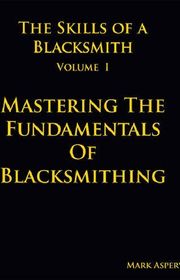
For learners who want a substantial course in fundamental technique, Aspery provides a systematic progression worth revisiting at the forge. The detailed instruction supports serious practice, though the size and cost make it a larger commitment.
What it's about
Mark Aspery teaches fundamental blacksmithing skills through detailed instruction, illustrations, and practical exercises. The first volume connects hammer work, tools, and forging processes, building a technical foundation for later work in decorative forms and traditional joinery.

Blacksmithing Basics For The Homestead
For readers whose goals center on useful farm and household objects, DeLaRonde gives forging a practical setting. Its focus helps connect technique with everyday needs, though decorative design and specialist blade work receive less attention.
What it's about
Joe DeLaRonde teaches basic blacksmithing through tools and household objects suited to homestead or ranch use. Illustrated instructions cover forge setup, heating, welding, and making equipment, followed by projects including hooks, forks, hammers, axes, and other practical items.

The Art of Blacksmithing
For readers interested in traditional blacksmithing as both a craft and a historical practice, Bealer supplies substantial background. The illustrations reward browsing and reference use, though the older presentation is less direct than a modern project course.
What it's about
Alex Bealer combines the history of blacksmithing with explanations of the tools and methods used in the craft. Hundreds of illustrations support discussion of workshop equipment and traditional practice, offering a reference for readers interested in both making and historical craftsmanship.

For readers who want to develop ironwork as a creative medium, Parkinson connects design decisions with workshop technique. The artistic emphasis offers direction beyond copying projects, though beginners may want a basic skills course alongside it.
What it's about
Peter Parkinson explores blacksmithing as a contemporary creative practice, connecting design with the techniques of working metal. The illustrated handbook introduces the craft while offering established smiths ways to develop their skills and approach ironwork as an artistic medium.
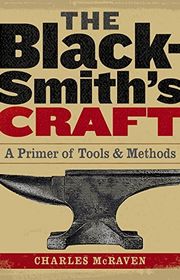
The Blacksmith's Craft: A Primer of Tools & Methods
For readers who want workshop methods explained through a craftsperson's practical perspective, McRaven offers an accessible companion to project books. Its traditional focus provides useful context, though readers seeking a modern equipment survey may want another reference.
What it's about
Charles McRaven introduces blacksmithing tools and methods, explaining forge work, shaping metal, and the practical decisions involved in making useful objects. His discussion connects traditional techniques with workshop experience, giving readers a foundation for their own projects.

For smiths moving specifically into forged blades, Hrisoulas provides a more focused path than the general blacksmithing books. Its specialized detail supports sustained study, though it is a narrower and more demanding starting point for a casual hobbyist.
What it's about
Jim Hrisoulas explains the process of making custom blades, from equipping a forge and choosing steel to grinding and fitting handles. Instruction on forging and finishing connects workshop methods with the construction of utility knives and other blade forms.

For beginners who want an organized progression from basic to intermediate work, McDaniel gives techniques a clear instructional sequence. The line drawings support repeated consultation, though readers who rely on photographs may prefer a different introduction.
What it's about
Randy McDaniel provides a progressive course in basic and intermediate blacksmithing, supported by detailed line drawings. Lessons connect tools and forge setup with shaping hot metal and completing projects, giving beginning smiths a foundation for developing technique and practical experience.

For visually oriented beginners who want decorative projects alongside basic techniques, Ares makes the shaping process easy to follow. The photographed examples offer concrete goals, though the project emphasis provides less depth than a comprehensive workshop reference.
What it's about
Jose Antonio Ares introduces forging through explanations of steel, equipment, and fundamental shaping techniques. Photographed projects show how bends, points, spirals, and curls become objects such as trivets, handles, and wall sconces, combining traditional processes with contemporary tools.
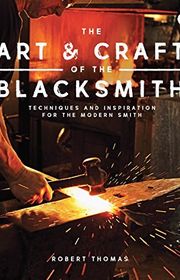
The Art and Craft of the Blacksmith: Techniques and Inspiration for the Modern Smith
For readers drawn to contemporary forged objects and visual inspiration, Thomas connects foundational techniques with design possibilities. The presentation helps turn curiosity into project ideas, though it offers less technical depth than an extended fundamentals course.
What it's about
Robert Thomas presents blacksmithing tools, techniques, and projects for readers interested in making functional and decorative ironwork. Illustrated explanations connect basic forging processes with finished objects, combining practical instruction with examples intended to encourage individual design choices.

Wayne Goddard's $50 Knife Shop, Revised
For aspiring knife makers who want to improvise equipment rather than buy a complete shop, Goddard makes economical approaches concrete. Its resourcefulness is the main attraction, though the title's dollar figure isn't a realistic current budget promise.
What it's about
Wayne Goddard explains how to begin making knives with inexpensive and homemade equipment. This revised guide follows steel selection, forging, grinding, and heat treatment through finished blades, using photographs and workshop examples to emphasize economical approaches to the craft.
Sources
- 1
13 Best Blacksmithing Books For Beginners & Experts (Reviews) - Working the Flame
workingtheflame.com
- 2
Best 16 Books For Blacksmiths & Bladesmiths - Become a Master
gallivantingcraftsman.com
- 3
Blacksmithing Book Reviews to find the best blacksmithing book for you
watersironworks.com
- 4
California Blacksmith Association - Books
calsmith.org
- 5
Blacksmithing Books
goodreads.com
- 6
Best Blacksmithing Books Review - 2021 Blacksmith Code
blacksmithcode.com
- 7
Very beginner book recommendations
reddit.com
- 8
Iron Books | American College of the Building Arts
acba.edu







Edited by
Software engineer whose passion for tracking book recommendations from podcasts inspired the creation of MRB.
Lead investor at 3one4 Capital whose startup expertise and love for books helped shape MRB and its growth.
Comments
Did we miss something? Have feedback?
Help us improve this page by sharing your thoughts