
10 Best Self-Esteem Books
The best self-esteem books, ranked by how many expert sources recommend each one, with notes on reflective reading, practical exercises, and reader fit.
Our take
Self-esteem books approach self-worth from different directions. Some explore how an inner critic develops, while others offer exercises for questioning harsh thoughts or treating yourself with more kindness. The choice depends partly on how you like to learn: a reflective book can help you recognize a pattern, while a workbook asks you to put ideas into practice over time.
The Gifts of Imperfection takes a personal approach to perfectionism and belonging. The Six Pillars of Self-Esteem offers a broader framework of practices and values. If you prefer written exercises, Self-Esteem, The Self-Esteem Workbook, and Overcoming Low Self-Esteem provide more structure. Self-Compassion shifts attention toward how you respond when you struggle, while Radical Acceptance brings a Buddhist meditation perspective. These are different approaches rather than interchangeable promises of a quick change. Start with The Gifts of Imperfection for reflective reading, or Overcoming Low Self-Esteem if you want a structured place to begin.
10 books · 9 sources · Last updated
As an Amazon Associate, we earn from qualifying purchases (at no extra cost to you).
How to choose from this list
Skip to the full rankingIf perfectionism shapes your self-worth: The Gifts of Imperfection → Self-Compassion
If you want structured exercises: Overcoming Low Self-Esteem → The Self-Esteem Workbook
If you want to examine self-critical thoughts: Self-Esteem → Ten Days to Self-Esteem
If you want a broader framework: The Six Pillars of Self-Esteem
If you prefer meditation and reflection: Radical Acceptance
If you want to practice confidence: The Self-Confidence Workbook
The 10 books, ranked
Ranked by how many expert sources name each book. Ties go to the book more people recommend.
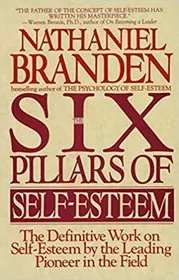
The Six Pillars of Self-Esteem
The Definitive Work on Self-Esteem by the Leading Pioneer in the Field
For readers wanting a broad framework for thinking about self-esteem, Branden connects daily practices with responsibility, purpose, and self-acceptance. Its conceptual depth rewards reflection, though the philosophical emphasis can feel demanding beside a straightforward workbook.
What it's about
Nathaniel Branden presents six practices that he considers foundational to self-esteem and explains their use in daily life. His discussion extends to parenting, education, work, psychotherapy, and culture, combining psychological reflections with exercises for examining personal habits.
Also recommended by
1 person Neil Strauss recommended this book
Neil Strauss
"Basically defined the modern idea of self-esteem." - Neil Strauss
Neil Strauss's recommendation of this book
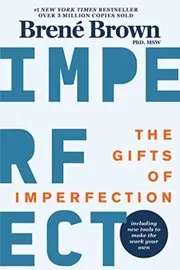
The Gifts of Imperfection
Let Go of Who You Think You're Supposed to Be and Embrace Who You Are
For readers whose self-worth depends on appearing flawless, Brown offers a warm, reflective approach to shame and belonging. Its personal voice makes the ideas accessible, though it provides less structured practice than the workbooks here.
What it's about
Brown invites readers into wholehearted living by letting go of who we think we should be. Through ten guideposts she shows how courage, compassion, and connection grow when we release perfectionism, comparison, and numbing and embrace our imperfect selves.
Also recommended by
1 person Melinda Gates recommended this book
Melinda Gates
Melinda Gates recommended this book on Likewise.com.
Melinda Gates's recommendation of this book
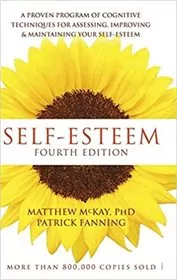
Self-Esteem
A Proven Program of Cognitive Techniques for Assessing, Improving, and Maintaining Your Self-Esteem
For readers who prefer examining particular self-critical thoughts, McKay and Fanning offer a practical cognitive approach with exercises. Its emphasis on applying techniques distinguishes it from reflective essays, though progress requires repeated work rather than passive reading.
What it's about
Matthew McKay and Patrick Fanning examine how interpretations of experience affect self-worth. Their cognitive exercises address self-critical thoughts and encourage readers to clarify personal values, distinguish healthy from unhealthy self-esteem, and develop a more accepting self-image.
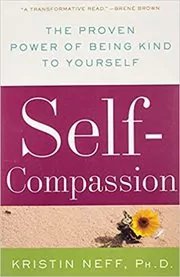
For readers exhausted by evaluating whether they measure up, Neff offers an approach centered on kindness during difficulty. The blend of explanation and personal reflection broadens this shelf, though some readers may prefer a more systematic workbook.
What it's about
Kristin Neff explores treating yourself with kindness during failure, insecurity, and difficulty. Drawing on research and personal experience, she introduces exercises involving mindfulness and shared human vulnerability, offering an alternative to judging worth through constant comparison and achievement.
Also recommended by
1 person Brené Brown recommended this book
Brené Brown
"[The author]'s powerful research and her ability to explain how self-compassion affects our everyday lives makes this book a transformative read." - Brené Brown
Brené Brown's recommendation of this book
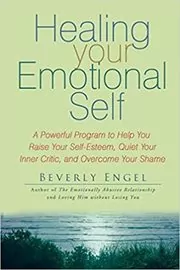
Healing Your Emotional Self
For readers exploring how early criticism or neglect shaped their inner voice, Engel provides a focused framework for reflection. The exercises address shame directly, though the emotionally difficult material may call for support beyond reading alone.
What it's about
Beverly Engel explores how childhood emotional abuse and neglect can shape shame, self-criticism, and body image. Her Mirror Therapy program uses personal accounts, questionnaires, and exercises to encourage self-compassion and a more accepting view of oneself.
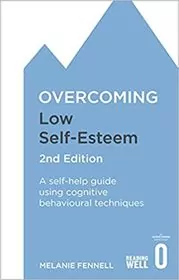
Overcoming Low Self-Esteem
A Self-Help Guide Using Cognitive Behavioural Techniques
For readers wanting a stepwise explanation of how negative beliefs about themselves persist, Fennell connects a cognitive behavioural framework with practical exercises. Its structure helps organize reflection, though the work requires time and may stir difficult feelings.
What it's about
Melanie Fennell uses cognitive behavioural techniques to examine how low self-esteem develops and persists. Practical exercises help readers question negative assumptions, recognize personal strengths, and work toward a more balanced, compassionate understanding of themselves.
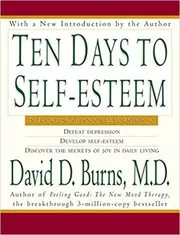
Ten Days to Self-Esteem
For readers who like worksheets and a defined sequence, Burns offers a structured way to examine harsh judgments and negative thinking. The exercises encourage active participation, though the title's ten days should not be treated as a deadline.
What it's about
David Burns organizes cognitive therapy exercises into ten steps addressing mood, self esteem, and negative thinking. Worksheets and self assessments guide readers through identifying distorted thoughts, testing assumptions, and practicing alternative responses at their own pace.
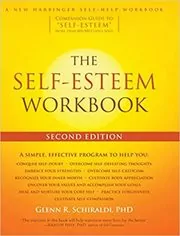
The Self-Esteem Workbook
For readers who want regular activities rather than a mainly narrative self-help book, Schiraldi offers a sustained workbook format. The exercises make practice concrete, though the benefit depends on thoughtful engagement and the approach may feel repetitive.
What it's about
Glenn Schiraldi offers a structured program of activities for examining and strengthening self-esteem. The workbook focuses on developing self-worth, responding to the inner critic, and practicing skills intended to support a more balanced relationship with oneself.
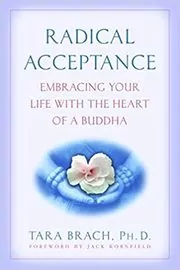
For readers comfortable with Buddhist ideas and meditation, Brach explores self-judgment through stories and contemplative practices. Its compassionate, reflective style offers an alternative to cognitive worksheets, though the spiritual framing will not suit everyone's preferences.
What it's about
Tara Brach combines Buddhist teachings, psychotherapy, personal stories, and guided meditations to explore self-acceptance. She examines shame, perfectionism, and painful self-judgment, offering practices intended to cultivate awareness and compassion toward experiences people often reject in themselves.
Also recommended by
2 people Tim Ferriss recommended this book
Tim Ferriss
"It exceeded all expectations." - Tim Ferriss
Tim Ferriss's recommendation of this book  Jerry Colonna recommended this book
Jerry Colonna
"God, what a great book." - Jerry Colonna
Jerry Colonna's recommendation of this book
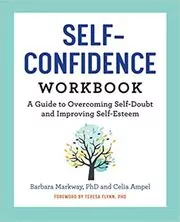
The Self Confidence Workbook
A Guide to Overcoming Self-Doubt and Improving Self-Esteem
For readers who want small, organized activities around self-doubt and confidence, Markway and Ampel offer an accessible workbook. The goal setting and reflections provide clear starting points, though it covers confidence more broadly than self-worth alone.
What it's about
Barbara Markway and Celia Ampel offer a five-step approach to understanding self-doubt and building self-acceptance. Goal setting, reflections, checklists, and exercises guide readers through fears and self-criticism, drawing on mindfulness and self-compassion in everyday situations.
Sources
- 1
6 Best Self-Esteem Books
addall.com
- 2
10 Best Books to Overcome Low Self-Esteem
nerdycreator.com
- 3
15 Best Self-Esteem Books (Self-worth and Acceptance)
socialself.com
- 4
10+ Best Books on Self-Esteem and Self-Worth
positivepsychology.com
- 5
Self Esteem Books
goodreads.com
- 6
Suggested Books for Personal Self-Esteem
healthyselfesteem.org
- 7
100 Best Self-Esteem Books of All Time
shortform.com
- 8
Books that can help with self-esteem and self-confidence?
reddit.com
- 9
Book recommemdations on self compassion
reddit.com
Edited by
Software engineer whose passion for tracking book recommendations from podcasts inspired the creation of MRB.
Lead investor at 3one4 Capital whose startup expertise and love for books helped shape MRB and its growth.
Comments
Did we miss something? Have feedback?
Help us improve this page by sharing your thoughts