
7 Best Russian History Books
The best Russian history books, ranked by expert source recommendation counts, with notes to help readers choose surveys, biographies, and cultural history.
Our take
Russian history includes changing states and borders, imperial expansion, revolution, Soviet rule, and the upheavals that followed the Soviet collapse. A broad survey helps connect those periods. More focused books can then examine a particular institution, political figure, cultural tradition, or community without having to carry the whole chronology.
Russia and the Russians offers a starting framework. Natasha's Dance turns toward cultural life and debates about identity, while A People's Tragedy examines revolution through politics and society. For biography, The Last of the Tsars narrows the view to Nicholas II’s final crisis, and the first volume of Stalin follows a different route into revolutionary power. Gulag examines the Soviet camp system through institutional history and personal experience.
Putin Country adds regional reporting about lives shaped by the post-Soviet transition, though it reflects the period in which its author worked. Start with the survey if the chronology is unfamiliar, then follow the people, institutions, or cultural questions that interest you.
7 books · 8 sources · Last updated
As an Amazon Associate, we earn from qualifying purchases (at no extra cost to you).
How to choose from this list
Skip to the full rankingIf you want a broad chronological foundation: Russia and the Russians
If you want cultural history: Natasha's Dance
If you want to understand the revolution: A People's Tragedy
If you want contrasting political biographies: The Last of the Tsars → Stalin
If you want to study Soviet repression: Gulag
If you want regional accounts of post-Soviet life: Putin Country
The 7 books, ranked
Ranked by how many expert sources name each book. Ties go to the book more people recommend.

For readers ready to study the revolution through both political change and ordinary lives. Figes gives social experience substantial space within the narrative, though the scale and strong interpretive argument demand more commitment than a concise overview.
What it's about
Orlando Figes traces the Russian Revolution through a panorama of society and individual lives. He connects war, political upheaval, and social history, arguing that the collapse of democratic hopes and rise of dictatorship had roots in Russia’s culture.

For readers who want Stalin’s early life connected with imperial politics, revolution, and Bolshevik ideas. Kotkin gives the biography a wide historical frame, though this substantial first volume stops before the dictatorship’s later campaigns and wartime years.
What it's about
Kotkin follows Stalin from his Georgian childhood through revolution and his consolidation of power by 1928. This first biographical volume places his rise within imperial history and Bolshevik ideology, examining the forces that shaped his dictatorship.
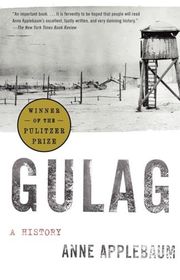
Gulag: A History
For readers who want the Soviet camp system examined as both an institution and a lived experience. Applebaum connects its development with prisoners’ accounts, though the scale of suffering and administrative detail make the history demanding.
What it's about
Anne Applebaum traces the development of the Soviet forced labor camp system and examines life within it. Archival material and personal accounts connect administrative decisions, labor, repression, survival, and the lasting consequences of imprisonment across the Soviet Union.

Natasha's Dance: A Cultural History of Russia
For readers who want art, literature, music, and daily habits alongside political history. Figes connects cultural expression with questions of Russian identity, though the thematic movement and emphasis on selected figures provide less of a chronological survey.
What it's about
Orlando Figes explores Russian cultural life through literature, music, art, religion, and everyday customs. Moving between elite and popular traditions, he examines how people imagined their country and negotiated the relationship between European influences and a distinct Russian identity.

For readers interested in everyday experience beyond the capital during Russia’s post-Soviet transformation. Garrels’s repeated visits give individual lives continuity and texture, though the regional focus and reporting period cannot represent the whole country or its latest developments.
What it's about
Returning over two decades to Chelyabinsk, Garrels documents everyday life beyond Moscow. Her reporting follows Russians navigating the Soviet collapse and its aftermath, exploring corruption, changing ambitions and intolerance through encounters with residents from different backgrounds.

Russia and the Russians: A History
For readers who want a broad chronological framework before choosing a particular ruler or upheaval. Hosking connects state development with society and national identity, though the extensive time span compresses individual experiences and requires sustained reading.
What it's about
Geoffrey Hosking surveys Russian history from early political formations through imperial and Soviet rule into the post-Soviet period. He examines relations between rulers and society, national identity, religious traditions, and tensions in building and maintaining a state.

For readers who want a concentrated study of the monarchy’s final crisis. Service examines the former tsar’s situation through personal records and political context, though the narrow period provides less explanation of imperial society or the revolution’s broader development.
What it's about
Service examines Nicholas II's final months, from his abdication in 1917 to the Romanov family's deaths in 1918. Diaries and other sources illuminate the former tsar's captivity amid revolution and the formation of Bolshevik rule.
Sources
- 1
Russian History Books | 5 Best Russian History Books | Gobookmart
gobookmart.com
- 2
Best Russian History Books (586 books)
goodreads.com
- 3
100 Best Russian History Books of All Time (Updated for 2026)
shortform.com
- 4
Books on Russian history? : r/RSbookclub
reddit.com
- 5
My Recommended Russian History Book List - Russian Rulers History
russianrulershistory.com
- 6
The Five Books on Russia You Should Read - Providence
providencemag.com
- 7
A Russian History Reading List
bookriot.com
- 8
The 100 Best Russian History Books - Listmuse.com
listmuse.com




Edited by
Software engineer whose passion for tracking book recommendations from podcasts inspired the creation of MRB.
Lead investor at 3one4 Capital whose startup expertise and love for books helped shape MRB and its growth.
Comments
Spotted a missing book, a wrong order or a mistake? Tell us and we'll fix this page.
We're a reading guide, not the author or publisher, so we can't send books or pass on messages.