
11 Best PTSD Books
The best PTSD books, ranked by how many expert sources recommend each one, with notes to help you choose explanations, personal accounts, and reflective workbooks.
Our take
Books about PTSD and trauma offer different kinds of understanding. Some explain symptoms and therapeutic ideas, others place traumatic experiences in a wider social history, and memoirs describe what those questions feel like in one person's life. Workbooks ask for more active engagement through written prompts and exercises. The right choice depends partly on whether you want an overview, a personal connection, or a structured way to reflect.
What Happened to You? uses conversation to introduce the subject, while The Post-Traumatic Stress Disorder Sourcebook provides broader reference coverage. Trauma and Recovery connects clinical experience with social context. For readers focused on childhood experiences, Complex PTSD offers Pete Walker's perspective and The Complex PTSD Workbook takes an exercise-based form. What My Bones Know provides a first-person account, and Getting Past Your Past introduces Shapiro's EMDR-related ideas. Several books include detailed accounts of abuse and violence. Begin with the format and level of detail you feel ready to engage with, rather than assuming a workbook is always the best first step.
11 books · 8 sources · Last updated
As an Amazon Associate, we earn from qualifying purchases (at no extra cost to you).
How to choose from this list
Skip to the full rankingIf you want a conversational introduction: What Happened to You?
If you want a broad reference: The Post-Traumatic Stress Disorder Sourcebook
If you want social and historical context: Trauma and Recovery
If you want to explore prolonged childhood trauma: Complex PTSD → The Complex PTSD Workbook
If you want a first-person account: What My Bones Know
If you want to understand Shapiro's approach: Getting Past Your Past
The 11 books, ranked
Ranked by how many expert sources name each book. Ties go to the book more people recommend.

For readers who want a wide-ranging clinical perspective on trauma's effects and different approaches to recovery. The combination of research and case histories provides context, though the detailed accounts of traumatic experiences can be difficult to read.
What it's about
Bessel van der Kolk examines the effects of trauma on memory, relationships, and bodily experience. Drawing on research and clinical accounts, he discusses approaches to recovery that involve the mind, physical awareness, and connection with others.
Also recommended by
2 people Garry Tan recommended this book
Garry Tan
Garry Tan recommended this book on Twitter
Garry Tan's recommendation of this book  Patrick O'Shaughnessy recommended this book
Patrick O'Shaughnessy
"[I] found it enlightening, useful, sobering, and often very scary." - Patrick O'Shaughnessy
Patrick O'Shaughnessy's recommendation of this book
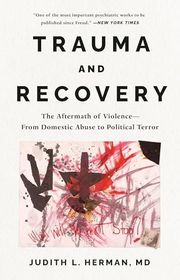
Trauma and Recovery
For readers seeking the social and historical context of trauma as well as a clinical perspective. Herman connects individual experience with power, violence, and recognition, though the serious case material and conceptual discussion make this a demanding introduction.
What it's about
Judith Herman examines trauma arising from violence, including abuse and war, and the conditions surrounding recovery. Clinical accounts and historical analysis connect private suffering with social power, exploring safety, remembrance, and the rebuilding of connection.

Getting Past Your Past
Take Control of Your Life with Self-Help Techniques from EMDR Therapy
For readers curious about the ideas behind EMDR and how Shapiro connects past experiences with present reactions. Case histories make the approach concrete, though the self-help exercises are narrower in scope than a general PTSD reference or full therapy manual.
What it's about
Francine Shapiro explains how past experiences can influence present reactions, drawing on her work developing EMDR therapy. Case histories and self-help exercises introduce ways to recognize emotional patterns and manage distress, while outlining the ideas behind this approach to memory and experience.

For readers who prefer an accessible conversation about trauma, development, and personal experience. The exchange between Winfrey and Perry gives the ideas a human setting, though the broad discussion offers less depth on specific symptoms or structured exercises.
What it's about
Oprah Winfrey and psychiatrist Bruce Perry discuss how early experiences and trauma can shape behavior, relationships, and responses to stress. Their conversations combine personal stories with explanations of brain development, emphasizing understanding people's histories when considering resilience and healing.

For readers interested in a body-focused perspective on traumatic stress. Levine develops his ideas through examples and awareness exercises, though the explanation follows his particular therapeutic framework rather than surveying the full range of approaches to PTSD.
What it's about
Peter Levine presents his bodily approach to understanding trauma, drawing lessons from animals' responses to threat. He explores instinctive reactions to overwhelming experiences and offers exercises focused on physical sensations as part of his proposed healing process.
Also recommended by
1 person Dr. Gabor Maté recommended this book
Dr. Gabor Maté
"[The author's] first book. And he’s written many wonderful books since then." - Dr. Gabor Maté
Dr. Gabor Maté's recommendation of this book

The PTSD Workbook
Simple, Effective Techniques for Overcoming Traumatic Stress Symptoms
For readers who want written exercises alongside explanations of traumatic stress. The workbook format encourages active reflection rather than passive reading, though the exercises require sustained attention and can bring up difficult material instead of providing a quick overview.
What it's about
Mary Beth Williams and Soili Poijula offer a workbook for exploring traumatic stress and its symptoms. Explanations and exercises draw on cognitive behavioral approaches and other therapeutic methods, addressing coping, emotional responses, and the process of working through distressing experiences.
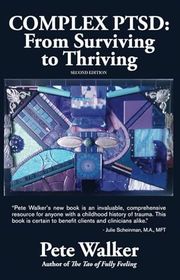
Complex PTSD
For adults looking for a direct, personal framework for understanding the effects of childhood abuse and neglect. Walker gives particular attention to self-criticism and emotional reactions, though his terminology and approach reflect one practitioner's perspective rather than a comprehensive clinical reference.
What it's about
Pete Walker explores the lasting effects of childhood abuse and neglect through his experience as a therapist and survivor. He discusses emotional flashbacks, self-criticism, relationships, and the coping patterns he describes as responses to prolonged trauma.

It Didn't Start with You
How Inherited Family Trauma Shapes Who We Are and How to End the Cycle
For readers interested in one practitioner's interpretation of family patterns and emotional distress. Stories and language-focused exercises make that perspective accessible, though the inherited-trauma framework is a particular lens rather than a comprehensive explanation of PTSD.
What it's about
Mark Wolynn explores his view that unresolved family trauma can shape later generations' emotional lives. He introduces his Core Language Approach, using personal stories and exercises to help readers examine family patterns and the language through which distress is expressed.

The Complex PTSD Workbook
A Mind-Body Approach to Regaining Emotional Control and Becoming Whole
For readers who prefer structured reflection on prolonged childhood trauma. The combination of explanations, prompts, and mind-body exercises gives the reading a practical shape, though completing a workbook requires more time and emotional engagement than reading an overview.
What it's about
Arielle Schwartz presents a workbook for understanding complex PTSD and the effects of unresolved childhood trauma. Explanations, reflective prompts, and exercises introduce mind-body perspectives and therapeutic approaches, helping readers explore symptoms, coping patterns, self-acceptance, and strategies for emotional regulation.

The Post-Traumatic Stress Disorder Sourcebook
A Guide to Healing, Recovery, and Growth
For survivors and supporters who want a broad reference to PTSD and approaches to recovery. Its range helps organize unfamiliar terms and options, though the substantial coverage is less personal and less focused than a memoir or single-method workbook.
What it's about
Glenn Schiraldi explains post-traumatic stress symptoms and surveys approaches to recovery for survivors and their supporters. The guide discusses professional treatment, symptom management, relaxation, memory work, relationships, and rebuilding meaning after traumatic experiences.
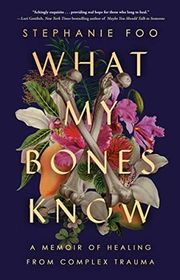
What My Bones Know
For readers who want lived experience alongside explanations of complex trauma. Foo's memoir gives uncertainty, relationships, and the search for help a personal context, though its account of childhood abuse is intense and follows one person's experience.
What it's about
Stephanie Foo recounts receiving a complex PTSD diagnosis and investigating its connection with her childhood. Her memoir follows family history, relationships, work, and her search for understanding and support, combining personal reporting with reflections on trauma.
Sources
- 1
The 5 Best Books Trauma Therapists Recommend - Forward Counseling of the Mid South
forwardcounseling.com
- 2
Welcome to Trauma Recovery Resources | Stony Brook Medicine
stonybrookmedicine.edu
- 3
Best Books on Trauma Recovery | The Denning Center
jimdenninglpc.com
- 4
Ptsd Books
goodreads.com
- 5
5 Great Books About PTSD
onlinepsychologydegree.info
- 6
Book recommendations about PTSD
reddit.com
- 7
15 Best PTSD & Trauma Books | ChoosingTherapy.com
choosingtherapy.com
- 8
The Best Books for PTSD, According to an Expert
verywellmind.com







Edited by
Software engineer whose passion for tracking book recommendations from podcasts inspired the creation of MRB.
Lead investor at 3one4 Capital whose startup expertise and love for books helped shape MRB and its growth.
Comments
Spotted a missing book, a wrong order or a mistake? Tell us and we'll fix this page.
We're a reading guide, not the author or publisher, so we can't send books or pass on messages.