
7 Best Healing Books
The best healing books, ranked by expert source recommendation counts, with notes to help readers choose clinical perspectives, self-compassion, and reflection.
Our take
Healing means different things across these books: understanding trauma, reconsidering habits, finding meaning in illness, or exploring spiritual beliefs. Their approaches should be read on those terms. A clinical discussion, a collection of personal stories, and a motivational guide can address similar experiences while making very different kinds of claims. The tone also varies from direct encouragement to accounts that describe distressing events.
Trauma and Recovery connects psychological suffering with relationships and social conditions, while The Body Keeps the Score examines trauma through research and clinical stories. Self-Compassion focuses on responding differently to self criticism. Kitchen Table Wisdom offers a physician’s reflective stories about illness and human connection, rather than a sequence of exercises.
How to Do the Work blends psychological ideas with broader wellness practices. You Can Heal Your Life presents spiritual beliefs and affirmations, while You Are a Badass uses humor and encouragement. Start by choosing the kind of reading you want, and distinguish a book that supports reflection from individualized clinical care.
7 books · 9 sources · Last updated
As an Amazon Associate, we earn from qualifying purchases (at no extra cost to you).
How to choose from this list
Skip to the full rankingIf you want clinical perspectives on trauma: Trauma and Recovery → The Body Keeps the Score
If you want to examine self criticism: Self-Compassion
If you prefer reflective personal stories: Kitchen Table Wisdom
If you want prompts about recurring patterns: How to Do the Work
If you want a spiritual affirmation framework: You Can Heal Your Life
If you want an energetic motivational voice: You Are a Badass
The 7 books, ranked
Ranked by how many expert sources name each book. Ties go to the book more people recommend.

For readers who want a broad clinical perspective on trauma, memory, and bodily experience. Van der Kolk connects research with patient stories, though the accounts can be distressing and the approaches discussed should not be assumed equally supported.
What it's about
Bessel van der Kolk examines the effects of trauma on memory, relationships, and bodily experience. Drawing on research and clinical accounts, he discusses approaches to recovery that involve the mind, physical awareness, and connection with others.
Also recommended by
2 people Garry Tan recommended this book
Garry Tan
Garry Tan recommended this book on Twitter
Garry Tan's recommendation of this book  Patrick O'Shaughnessy recommended this book
Patrick O'Shaughnessy
"[I] found it enlightening, useful, sobering, and often very scary." - Patrick O'Shaughnessy
Patrick O'Shaughnessy's recommendation of this book

You Can Heal Your Life
For readers interested in affirmations and New Thought spirituality. Hay offers simple exercises in self acceptance, but her claims linking thoughts with physical illness should be read as spiritual beliefs rather than medical explanations or evidence of a cure.
What it's about
Louise Hay sets out her beliefs about the relationship between thought, emotion, and physical health. Affirmations and exercises accompany her approach to changing limiting ideas, developing self-acceptance, and addressing patterns in relationships, work, and personal life.
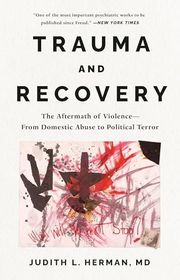
Trauma and Recovery
For readers who want trauma understood within relationships, power, and social conditions. Herman connects clinical thinking with the experiences of survivors, though the serious material and professional perspective make it more demanding than a general self help introduction.
What it's about
Judith Herman examines trauma arising from violence, including abuse and war, and the conditions surrounding recovery. Clinical accounts and historical analysis connect private suffering with social power, exploring safety, remembrance, and the rebuilding of connection.

For readers whose response to difficulty is persistent self criticism. Neff combines research, personal experience, and reflective exercises around a kinder stance toward mistakes, though the repeated practices require engagement and cannot resolve every source of distress.
What it's about
Kristin Neff explores treating yourself with kindness during failure, insecurity, and difficulty. Drawing on research and personal experience, she introduces exercises involving mindfulness and shared human vulnerability, offering an alternative to judging worth through constant comparison and achievement.
Also recommended by
1 person Brené Brown recommended this book
Brené Brown
"[The author]'s powerful research and her ability to explain how self-compassion affects our everyday lives makes this book a transformative read." - Brené Brown
Brené Brown's recommendation of this book

How to Do the Work
Recognize Your Patterns, Heal from Your Past, and Create Your Self
For readers who want prompts to examine recurring habits, relationships, and beliefs. LePera combines several psychological and wellness perspectives in an accessible voice, though that broad blend is less clearly bounded than an established clinical treatment framework.
What it's about
Nicole LePera presents her approach to personal change, combining psychological ideas with mental, physical, and spiritual wellness. She examines recurring behaviors and inherited beliefs, offering practices for greater self-awareness, boundaries, and a different relationship with the past.
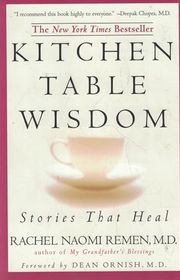
Kitchen Table Wisdom: Stories That Heal
For readers who prefer personal stories about vulnerability, connection, and meaning to exercises or clinical explanation. Remen’s physician perspective gives illness a human context, though the reflective and spiritual approach offers companionship rather than medical guidance.
What it's about
Rachel Naomi Remen draws on experiences as a physician and a person living with chronic illness to reflect on suffering, connection, and meaning. Her stories consider how listening, vulnerability, and relationships shape people’s experiences of difficult circumstances.

You Are a Badass
How to Stop Doubting Your Greatness and Start Living an Awesome Life
For readers who want blunt encouragement to challenge self doubt and pursue personal ambitions. Sincero’s humor and exercises create momentum, though the spiritual claims and emphasis on attitude offer motivation rather than a clinical account of emotional healing.
What it's about
Jen Sincero uses personal stories, humor, and exercises to address self-doubt and habits that interfere with personal ambitions. Her motivational guide encourages readers to examine limiting beliefs, make deliberate changes, and pursue a life aligned with their desires.
Sources
- 1
12 Powerful Self Healing Books For Highly Sensitive Person
bigbraincoach.com
- 2
Best Books for Trauma Healing & Recovery | Expert Picks — Logos Healing Institute
logoshealinginstitute.org
- 3
Best Books on Trauma Recovery | The Denning Center
jimdenninglpc.com
- 4
Healing Books
goodreads.com
- 5
100 Best Healing Books of All Time (Updated for 2026)
shortform.com
- 6
Recommendation for Healing Trauma Book : r/suggestmeabook
reddit.com
- 7
Best Healing Books To Read & Refresh Yourself! ❤️🩹 🌈
bookwritten.com
- 8
7 Best Books on Healing That Should Be on Your Bookshelf ...
books.allwomenstalk.com
- 9
Good books about complementary therapies | Taking Charge of Your Wellbeing
takingcharge.csh.umn.edu


Edited by
Software engineer whose passion for tracking book recommendations from podcasts inspired the creation of MRB.
Lead investor at 3one4 Capital whose startup expertise and love for books helped shape MRB and its growth.
Comments
Spotted a missing book, a wrong order or a mistake? Tell us and we'll fix this page.
We're a reading guide, not the author or publisher, so we can't send books or pass on messages.