
10 Best Mental Health Books
The best mental health books, ranked by how many expert sources recommend each one, with notes on who each suits, from memoirs to practical workbooks.
Our take
Mental health books can offer language for an unfamiliar experience, a view of someone else’s life, or exercises to practice between conversations and appointments. They also differ in emotional intensity. A memoir about illness, a broad investigation of trauma, and a therapy workbook can all be useful without serving the same purpose or fitting the same moment.
Maybe You Should Talk to Someone makes therapy approachable through stories, while An Unquiet Mind offers a personal account of bipolar disorder. The Noonday Demon examines depression at much greater length. For practical work, Feeling Good focuses on thought patterns, and The Dialectical Behavior Therapy Skills Workbook organizes skills around emotions, distress, and relationships. The Unapologetic Guide to Black Mental Health brings racism and access to care into the discussion. Books can complement support without assessing your individual needs. Start with Maybe You Should Talk to Someone for a narrative introduction, or choose a workbook that matches the skills you want to discuss and practice.
10 books · 7 sources · Last updated
As an Amazon Associate, we earn from qualifying purchases (at no extra cost to you).
How to choose from this list
Skip to the full rankingIf you want an approachable therapy memoir: Maybe You Should Talk to Someone
If you want lived experience of bipolar disorder: An Unquiet Mind
If you want a broad exploration of depression: The Noonday Demon
If you want structured exercises: Feeling Good → The Dialectical Behavior Therapy Skills Workbook
If you want an introduction to trauma: What Happened to You? → The Body Keeps the Score
If you want Black mental health in context: The Unapologetic Guide to Black Mental Health
The 10 books, ranked
Ranked by how many expert sources name each book. Ties go to the book more people recommend.

For readers seeking a broad account of how trauma can affect mind and body. Its clinical stories make complex ideas tangible, though some accounts are distressing and the range of approaches discussed should not be read as a treatment plan.
What it's about
Bessel van der Kolk examines the effects of trauma on memory, relationships, and bodily experience. Drawing on research and clinical accounts, he discusses approaches to recovery that involve the mind, physical awareness, and connection with others.
Also recommended by
2 people Garry Tan recommended this book
Garry Tan
Garry Tan recommended this book on Twitter
Garry Tan's recommendation of this book  Patrick O'Shaughnessy recommended this book
Patrick O'Shaughnessy
"[I] found it enlightening, useful, sobering, and often very scary." - Patrick O'Shaughnessy
Patrick O'Shaughnessy's recommendation of this book

For readers interested in stress, exhaustion, and the pressures placed on women. Its distinction between stressors and stress responses offers a useful organizing idea, though individual strategies cannot remove the social or workplace conditions contributing to burnout.
What it's about
Emily and Amelia Nagoski examine burnout and the pressures placed on women, distinguishing stressful circumstances from the body's stress response. Explanations, exercises, and practical suggestions explore rest, connection, self-criticism, and ways of completing what they call the stress cycle.

For readers curious about what therapy can feel like from both sides of the conversation. Its intertwined personal and patient stories make the process approachable, though it is a crafted memoir rather than a guide to conducting your own therapy.
What it's about
Therapist Lori Gottlieb seeks therapy after a personal crisis while continuing to treat her own patients. Their intertwined stories explore grief, relationships, mortality, and the narratives people use to understand themselves and resist or embrace change.
Also recommended by
4 people Andrew Wilkinson recommended this book
Andrew Wilkinson
Andrew Wilkinson recommended this book on Twitter.
Andrew Wilkinson's recommendation of this book 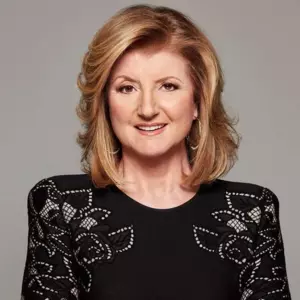 Arianna Huffington recommended this book
Arianna Huffington
"Funny, hopeful, wise, and engrossing—all at the same time." - Arianna Huffington
Arianna Huffington's recommendation of this book  Katie Couric recommended this book
Katie Couric
"Some people are great writers, and other people are great therapists. [This author] is, astoundingly, both." - Katie Couric
Katie Couric's recommendation of this book  Susan Cain recommended this book
Susan Cain
"If you have even an ounce of interest in the therapeutic process, or in the conundrum of being human, you must read this book." - Susan Cain
Susan Cain's recommendation of this book

For readers who want practical reflections on everyday rejection, failure, guilt, and loss. Its focused examples make smaller emotional hurts easier to recognize, though these strategies have a narrower scope than care for persistent or severe mental-health difficulties.
What it's about
Guy Winch applies psychological research to everyday emotional injuries, including rejection, guilt, failure, and loss. Through case examples and exercises, he explains ways to address these hurts before they become more persistent sources of distress.

For readers who want an introduction to recognizing and questioning unhelpful thought patterns. Its CBT-based exercises provide a practical focus, though working through them takes effort and persistent symptoms may call for support beyond a book.
What it's about
David Burns introduces cognitive therapy techniques for examining the thoughts associated with depression and low self esteem. Exercises address guilt, criticism, procrastination, and dependence on approval, while the updated edition also discusses antidepressant treatment options.
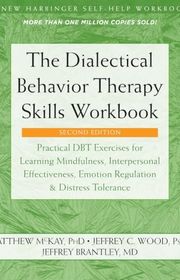
The Dialectical Behavior Therapy Skills Workbook: Practical DBT Exercises for Learning Mindfulness, Interpersonal Effectiveness, Emotion Regulation, and Distress Tolerance
For readers who want structured exercises in handling distress, emotions, and difficult interactions. Its skills-based format makes repeated practice central, though a workbook cannot reproduce the individualized support or full structure of a DBT treatment program.
What it's about
Matthew McKay, Jeffrey Wood, and Jeffrey Brantley present exercises drawn from dialectical behavior therapy. The workbook develops mindfulness, distress tolerance, emotion regulation, and interpersonal effectiveness, with the revised second edition adding material on rehearsal and self-compassion.

The Unapologetic Guide to Black Mental Health
Navigate an Unequal System, Learn Tools for Emotional Wellness, and Get the Help you Deserve
For Black readers and those supporting them who want mental health discussed alongside racism and unequal access to care. Its explicit attention to context distinguishes it from general guides, though the US-centered system discussion may need adapting elsewhere.
What it's about
Rheeda Walker examines how racism, stigma, and unequal access to care affect Black mental health. Her guide discusses recognizing distress, strengthening emotional wellness, finding community, and seeking professional support within systems that can overlook or marginalize Black patients.

For general readers who prefer a conversational introduction to trauma and resilience. Its stories shift attention toward personal history and understanding, though the accessible format simplifies complex science and offers less detail than a specialist text.
What it's about
Oprah Winfrey and psychiatrist Bruce Perry discuss how early experiences and trauma can shape behavior, relationships, and responses to stress. Their conversations combine personal stories with explanations of brain development, emphasizing understanding people's histories when considering resilience and healing.

For readers who want a personal account of bipolar disorder alongside a clinician’s perspective. Its honesty about illness, relationships, and treatment gives it unusual depth, though one person’s experience cannot describe every course of the condition.
What it's about
Kay Redfield Jamison recounts living with bipolar disorder while building a career researching and treating mood disorders. Her memoir explores mania, depression, relationships, and resistance to medication, bringing a clinician's knowledge together with her own experience of illness.

For readers who want depression examined through personal experience, reporting, and cultural context. Its breadth gives the subject room for complexity, though the length is demanding and treatment discussions need reading alongside more recent information.
What it's about
Andrew Solomon explores depression through his own experiences and interviews with patients, clinicians, researchers, and policymakers. The book considers treatment, cultural attitudes, and the illness's effects across different communities, combining personal narrative with a broad investigation of its complexity.
Sources
- 1
12 Best Books for Mental Health
healthline.com
- 2
13 Illuminating Books About Mental Health
celadonbooks.com
- 3
NAMI-Recommended-Reading
namimetsub.org
- 4
Reading List · Godaelli Psychiatry & Mental Health
godaellimentalhealth.com
- 5
23 Mental Health Books for Anyone Who’s Going Through It Right Now
self.com
- 6
Looking for self-improvement books.
reddit.com
- 7
Best Books On Mental Health (313 books)
goodreads.com






Edited by
Software engineer whose passion for tracking book recommendations from podcasts inspired the creation of MRB.
Lead investor at 3one4 Capital whose startup expertise and love for books helped shape MRB and its growth.
Comments
Spotted a missing book, a wrong order or a mistake? Tell us and we'll fix this page.
We're a reading guide, not the author or publisher, so we can't send books or pass on messages.