
15 Best Portrait Photography Books
The best portrait photography books, ranked by how many expert sources recommend each, with notes on lighting, posing, skill level, and where to begin.
Our take
Portrait photography asks you to manage two things at once: how an image looks and how a person feels in front of the camera. Light, framing, pose, and expression all affect the result, but books approach those decisions differently. Some offer a broad practical course, others concentrate on one skill, and collections of finished work encourage learning through close observation.
Mastering Portrait Photography and Portrait Photography: From Snapshots to Great Shots introduce several parts of the process together. Picture Perfect Posing breaks down posture and body position, while The Headshot concentrates on expression within a tighter format. The Dramatic Portrait explores shaping light and shadow. For insight into working decisions, 50 Portraits and Secrets of Great Portrait Photography explain assignments and their challenges. Start with a general guide if you are still balancing settings and subject direction, then choose the specialist book that addresses what is limiting your portraits.
15 books · 7 sources · Last updated
As an Amazon Associate, we earn from qualifying purchases (at no extra cost to you).
How to choose from this list
Skip to the full rankingIf you're new to photographing people: Mastering Portrait Photography
If you need better subject direction: Picture Perfect Posing → The Photographer's Guide to Posing
If you want to make headshots: The Headshot
If you want more expressive lighting: The Dramatic Portrait → Studio Anywhere
If you want to understand working decisions: 50 Portraits → Secrets of Great Portrait Photography
If you want a range of creative approaches: The Portrait Photographer's Manual → One Face Fifty Ways
The 15 books, ranked
Ranked by how many expert sources name each book. Ties go to the book more people recommend.

For photographers who want to understand the decisions behind a finished portrait. Heisler's assignment stories connect creative intent with practical problem-solving, though the case-study format is less systematic than a beginner's course in lighting.
What it's about
Gregory Heisler presents fifty portraits of public figures alongside accounts of how he made them. Personal stories explain the creative and technical decisions behind the images, offering insight into his approach to subjects, assignments, and photographic problem-solving.

For photographers running out of portrait ideas with limited subjects or resources. Reusing one model makes changes in styling, location, and light easier to compare, though the brief setups provide less instruction than a comprehensive technical course.
What it's about
Imogen Dyer and Mark Wilkinson demonstrate ways to create varied portraits using one model, simple techniques, and accessible props and clothing. Their examples show how lighting, styling, location, and presentation can produce a diverse portfolio without elaborate equipment.

For photographers whose main challenge is connecting with people rather than choosing equipment. Orwig places empathy and curiosity alongside technical choices, though the reflective approach is less direct than a manual of repeatable studio setups.
What it's about
Chris Orwig combines portrait photography instruction with reflections on connecting with the people being photographed. Technical discussions of light, exposure, focus, and posing accompany his emphasis on curiosity, empathy, and creating images that convey character and depth.

For photographers who need to make portraits in imperfect locations with limited equipment. Its resourceful lighting examples encourage you to use available spaces, though the methods still require practice and are less relevant if you already work in a fully equipped studio.
What it's about
Nick Fancher demonstrates how to make polished photographs in unconventional spaces such as garages, offices, parks, and streets. Behind-the-scenes examples explain lighting and working with modest equipment for portraits and other assignments when a conventional studio is unavailable.

For photographers who want to shape expressive portraits through deliberate light and shadow. Its emphasis on visual mood goes beyond a collection of lighting diagrams, though developing that control takes practice and comfort with technical lighting decisions.
What it's about
Chris Knight examines how light and shadow work together in portrait photography. He explains an approach to creating expressive portraits that communicate a subject's character and personal narrative while giving form to the photographer's own vision.

For photographers concentrating on headshots who need help directing expression and posture. Its attention to small adjustments and subject confidence gives the format depth, though the tightly framed approach offers less guidance for environmental or full-length portraits.
What it's about
Peter Hurley explains his approach to creating professional headshots, combining lighting and positioning with techniques for directing subjects. He discusses how to build confidence, encourage natural expressions, and use small changes in posture and facial expression.
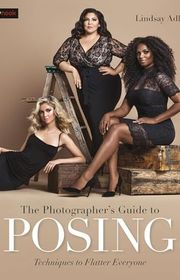
The Photographer's Guide to Posing
For photographers who want to adapt posing principles to different subjects and situations. Its explanations of common problems help you make considered adjustments, though its flattering-image approach is one creative goal rather than a rule for every portrait.
What it's about
Lindsay Adler explains posing through principles that connect body position, camera angle, clothing, and the appearance of a finished photograph. Examples and corrections show how photographers can adapt their direction to individuals, couples, and groups.
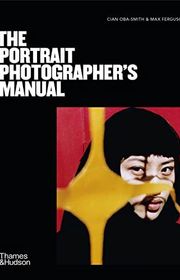
The Portrait Photographer's Manual
For photographers who want to explore different approaches before settling into one style. Its mix of projects and profiles broadens the available models for portrait work, though specialist manuals offer more detail on individual technical problems.
What it's about
Cian Oba-Smith and Max Ferguson introduce portrait photography through practical projects and profiles of twenty photographers. Examples explore different styles and ways of working, connecting creative questions about people and representation with techniques readers can try themselves.

For readers who want to study finished portraits and the visual choices of an established photographer. The collection encourages close looking at setting, gesture, and presentation, though it provides less practical instruction than a guide explaining each shoot.
What it's about
Annie Leibovitz gathers portraits made between 2005 and 2016, including photographs of prominent figures in culture and public life. The collection combines familiar and previously unpublished images with an afterword and an essay by Alexandra Fuller.

Mastering Portrait Photography
For learners who want a broad portrait course linking settings and light with natural expression. Its attention to the atmosphere of a session makes the human side concrete, though specialist lighting or posing books go further into individual techniques.
What it's about
Sarah Plater and Paul Wilkinson explain portrait photography through equipment, lighting, settings, and working with subjects. Their approach emphasizes personality and natural expression, with practical guidance on creating an appropriate atmosphere and finishing images through postproduction.

Picture Perfect Posing
Practicing the Art of Posing for Photographers and Models
For photographers who want to diagnose why a pose looks awkward rather than memorize examples. Breaking posture into components makes corrections easier to explain, though the systematic approach needs practice before direction feels natural during a session.
What it's about
Roberto Valenzuela breaks posing into components, beginning with the spine and neck before examining weight, angles, hands, and gaze. His system explains why poses succeed or fail and how photographers can direct subjects toward an intended image.

For beginners who want camera choices, light, and subject direction introduced together. Its range of portrait situations offers a practical overview, though readers already comfortable with the basics may prefer a deeper book on one specific weakness.
What it's about
Erik Valind introduces portrait photography through camera settings, lenses, composition, and rapport with subjects. Practical guidance covers posing, natural and indoor light, flash, and light modifiers, followed by examples involving individual portraits, families, and wedding groups.

Read This If You Want to Take Great Photographs
For beginners who need a clearer grasp of light, composition, and exposure before specializing. Its concise explanations provide a useful foundation for portrait work, though the broader photographic scope offers less detail on posing and interacting with subjects.
What it's about
Henry Carroll introduces photography through clear explanations and examples from established photographers. Chapters on composition, exposure, light, lenses, and seeing connect practical camera choices with developing an eye for images, giving beginners an accessible foundation for taking stronger photographs.

For photographers interested in how an assignment develops from preparation to a finished image. Smith connects planning, rapport, and technical choices through working examples, though the celebrity context differs from many everyday family or client sessions.
What it's about
Brian Smith draws on three decades of celebrity portrait assignments to explain the stages of a shoot. Behind-the-scenes accounts accompany guidance on planning, connecting with subjects, choosing locations, posing, lighting, and refining photographs in post-production.

Photographing Men
Posing, Lighting, and Shooting Techniques for Portrait and Fashion Photography
For photographers working with men in portrait or fashion sessions who want targeted guidance on styling, positioning, and light. Its focused scope encourages attention to individual proportions, though conventional flattering-portrait goals will not suit every subject or creative brief.
What it's about
Jeff Rojas teaches techniques for photographing men in portrait, commercial, and fashion settings. Guidance on body and face shapes, clothing, posing, lighting, and postproduction explains how to adapt a session to individual subjects and the photographer's intended result.
Sources
- 1
The best books on portrait photography
digitalcameraworld.com
- 2
The Best Portrait Photography Books to Add to Your Collection
greatbigphotographyworld.com
- 3
Portrait Photography Books
goodreads.com
- 4
Photograph book famous portriats
reddit.com
- 5
Books by masters of photography about their process?
reddit.com
- 6
10 Best Portrait Photography Books Ever Published
vocal.media
- 7
35 Best Photography Books in 2026 (Updated)
expertphotography.com





Edited by
Software engineer whose passion for tracking book recommendations from podcasts inspired the creation of MRB.
Lead investor at 3one4 Capital whose startup expertise and love for books helped shape MRB and its growth.
Comments
Spotted a missing book, a wrong order or a mistake? Tell us and we'll fix this page.
We're a reading guide, not the author or publisher, so we can't send books or pass on messages.