
16 Best Landscape Photography Books
The best landscape photography books, ranked by expert recommendations, with notes on field technique, composition, visual inspiration, and where to start.
Our take
Landscape photography combines preparation with attention to what light, weather, and place are doing in front of you. A useful book might help you understand exposure, choose a stronger composition, or see familiar terrain differently. These choices include practical courses, reflections on creative decisions, interviews, and collections that reward close study of finished photographs.
The Landscape Photography Workshop provides a structured route through technique and assignments. The Art of Landscape Photography puts more weight on aesthetic choices, while The Art, Science, and Craft of Great Landscape Photography explores the technical reasons behind difficult shooting conditions. Landscape Beyond asks broader questions about how images communicate. For visual study, Mountain Light explains decisions behind outdoor photographs, and Ansel Adams: 400 Photographs offers a wide selection to compare. Start with the workshop if you need practical foundations, or Hoddinott and Bauer’s art-focused book if you already know your camera.
16 books · 8 sources · Last updated
As an Amazon Associate, we earn from qualifying purchases (at no extra cost to you).
How to choose from this list
Skip to the full rankingIf you want practical foundations: The Landscape Photography Workshop → Mastering Landscape Photography
If you want stronger compositions: The Art of Landscape Photography → Landscape Beyond
If you want technical depth outdoors: The Art, Science, and Craft of Great Landscape Photography
If you want to study creative decisions: Mountain Light → Masters of Landscape Photography
If you want black-and-white inspiration: Ansel Adams → Genesis
If you want to explore British landscapes: This Land
The 16 books, ranked
Ranked by how many expert sources name each book. Ties go to the book more people recommend.

Mastering Landscape Photography
For photographers who want preparation, shooting, and finishing brought together in one guide. Its coverage of weather and location planning helps connect technique to conditions, though the breadth limits depth on specialist creative approaches.
What it's about
David Taylor guides readers through equipment, exposure, composition, and the conditions encountered in landscape photography. Planning with maps, sunlight, weather, and tides connects preparation to work in the field, followed by guidance on processing images and producing prints.

The Art of Landscape Photography
For photographers who can already control exposure and want stronger visual decisions. Its emphasis on composition and expression moves beyond camera settings, though beginners may need a practical fundamentals guide alongside it.
What it's about
Ross Hoddinott and Mark Bauer focus on the aesthetic decisions that shape landscape photographs. Assuming familiarity with basic exposure and technique, they examine composition and visual expression, using images to explore how photographs can communicate meaning and emotion.

The Art, Science, and Craft of Great Landscape Photography
For photographers who want the physical behavior of light connected to practical decisions. Its technical depth helps explain difficult conditions, though readers seeking quick inspiration may find it more demanding than an image-led collection.
What it's about
Glenn Randall explores the artistic choices, scientific understanding, and practical techniques involved in photographing landscapes. Instruction connects composition and light with the demands of working outdoors, while photographs illustrate how those elements come together in finished images.

For photographers who want to understand the decisions behind memorable outdoor images. Its accounts link physical access, timing, and visual judgment, though the film-era techniques need adaptation and the adventurous perspective will not suit every practice.
What it's about
Galen Rowell presents mountain photographs alongside accounts of how he made them. His exploration of light, composition, equipment, and perception connects practical landscape photography with stories of adventure and the artistic choices behind images from remote environments.
Also recommended by
1 person Adam Gazzaley recommended this book
Adam Gazzaley
"An amazing book because one page is a beautiful nature photograph, and the other page is complete text." - Adam Gazzaley
Adam Gazzaley's recommendation of this book

For readers who want a broad view of Adams’s development and use of black-and-white form. The large selection rewards comparison across images, though it is a collection to study rather than a step-by-step photography course.
What it's about
Four hundred photographs trace Ansel Adams's development across five periods of his career. Landscapes from Yosemite, the High Sierra, and other settings accompany commentary that explores his artistic choices, photographic technique, and changing approach to the natural world.

For digital photographers who want field decisions connected to a finished print. Its dialogue with earlier landscape masters gives technique a clear purpose, though the older software examples need translating to current editing tools.
What it's about
Michael Frye translates lessons from Ansel Adams and other landscape masters into digital practice. The revised guide links light, composition, and photographic technique with processing and printing, connecting decisions made in the field with the construction of a finished image.
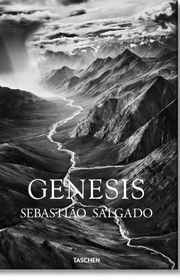
Genesis
For readers who want a sustained black-and-white vision of the natural world. Its scale and tonal treatment reward slow visual study, though it spans wildlife and people as well as landscapes and teaches no camera technique.
What it's about
Sebastião Salgado brings together black-and-white photographs of landscapes, wildlife, and communities from an extended journey across the planet. The collection explores places and ways of life shaped by close relationships with the natural world.

For experienced photographers questioning what their landscape images communicate. Its attention to ambiguity and visual meaning encourages deeper reflection, though it offers fewer direct recipes than the field-oriented books here.
What it's about
David Ward considers landscape photography through simplicity, ambiguity, and beauty, exploring questions about how images communicate. His photographs accompany reflections on art and perception, encouraging readers to examine the creative thinking behind their interpretations of the natural world.

The Landscape Photography Workshop
For beginners who want assignments that connect lessons to practice. Its progression from camera basics toward finished images supports active learning, though readers already comfortable with technique may prefer a more focused composition book.
What it's about
Mark Bauer and Ross Hoddinott guide readers from equipment and exposure to composition, filters, and more advanced landscape techniques. Practical assignments accompany instruction on post-processing and printing, connecting field photography with the steps needed to produce a finished print.

For beginners who want camera choices connected to pictures they can make outdoors. Its practical explanations provide a manageable introduction, though older editing references and equipment assumptions require updating for a current workflow.
What it's about
Rob Sheppard introduces landscape photography through practical decisions about light, composition, perspective, and camera settings. Explanations of aperture, depth of field, and focal length connect image-making in the field with later processing in digital editing software.

For readers who want the experience of outdoor shooting explained through personal examples. Its location stories make planning and persistence tangible, though it is a selective working account rather than a comprehensive technical course.
What it's about
Thomas Heaton shares stories behind his landscape photographs alongside advice on hiking, travel, focus, and shooting raw files. Reflections on working outdoors accompany guidance on sharing images through social media, connecting photographic technique with the experience of going out to shoot.

Masters of Landscape Photography
For readers who want to compare the thinking of several established landscape photographers. The interviews reveal different working methods beside the images, though it is less systematic than following one teacher through a complete course.
What it's about
This collection profiles 16 landscape photographers through images and interviews about their methods. Discussions of equipment, technique, and creative approach span color and monochrome work, film and digital photography, offering different perspectives on interpreting and photographing landscapes.

National Geographic Greatest Landscapes
Stunning Photographs That Inspire and Astonish
For readers seeking a broad visual collection of natural places. Its variety of terrain, weather, and light makes it useful for studying possibilities, though it offers less sustained technical instruction than the workshop books.
What it's about
National Geographic brings together landscape photographs of deserts, mountains, forests, and other natural settings. Images explore the effects of light, season, and weather, while accompanying insights from photographers add context to the locations and the process of capturing them.

For readers interested in how geology and human history shape British scenery. Its place-based context gives the photographs added meaning, though the geographical focus and limited instruction make it less useful as a general camera course.
What it's about
Roly Smith's text and Joe Cornish's photographs explore 50 British landscapes, from mountains and islands to forests and coastlines. Geological history and folklore accompany the images, connecting the appearance of these places with natural processes and human influence.

For photographers who want to compare many interpretations of British scenery in one volume. The competition format encourages close study of different approaches, though this particular annual is a historical selection rather than the latest collection.
What it's about
The fourteenth collection from the Landscape Photographer of the Year competition gathers winning and commended photographs of Britain. Images from amateur and professional entrants appear with accounts of their creation, including the equipment, techniques, and circumstances behind particular photographs.

For readers who want to study landscape patterns from a different viewpoint. Its aerial perspective makes natural forms and human impact unusually visible, though it provides visual inspiration rather than instruction for ordinary ground-level shooting.
What it's about
Yann Arthus-Bertrand presents 365 aerial photographs spanning natural landscapes, settlements, people, and animals. Accompanying text places the images in an environmental context, drawing attention to the patterns visible from above and the marks human activity leaves on the earth.
Sources
- 1
10 of the Best Books About Landscape Photography
itsjustlight.com
- 2
23 Of The Best Landscape Photography Books Of All Time
theadventurejunkies.com
- 3
Resources for Landscape Photography
static1.squarespace.com
- 4
The best landscape photography books for inspiration
amateurphotographer.com
- 5
Landscape and Travel Photography Books - A Selection of Good Buys
better-photographs.com
- 6
I’ve compiled the best landscape photography books from my library to inspire your next outdoor adventure
digitalcameraworld.com
- 7
What are your favorite landscape photography photo books?
reddit.com
- 8
Landscape Photography Books
goodreads.com






Edited by
Software engineer whose passion for tracking book recommendations from podcasts inspired the creation of MRB.
Lead investor at 3one4 Capital whose startup expertise and love for books helped shape MRB and its growth.
Comments
Spotted a missing book, a wrong order or a mistake? Tell us and we'll fix this page.
We're a reading guide, not the author or publisher, so we can't send books or pass on messages.