
12 Best Digital Photography Books
The best digital photography books, ranked by how many expert sources recommend each one, with notes for beginners, composition, creative vision, and lighting.
Our take
Digital photography involves more than learning the buttons on a camera. Exposure controls how light and movement appear, composition organizes the frame, and lighting helps shape the subject. The books here range from friendly introductions and practical tips to longer studies of visual judgment. Some explain principles that work across cameras; others show how an experienced photographer responds to a particular assignment.
BetterPhoto Basics offers an approachable beginning, while Understanding Exposure gives more attention to the relationship between settings and creative results. The Photographer's Eye concentrates on composition. If your pictures are technically sound but feel directionless, Within the Frame and Extraordinary Everyday Photography shift attention toward intention and observation. The Hot Shoe Diaries is more specialized, focusing on small-flash lighting, while On Photography asks cultural questions rather than teaching technique. Start with a general introduction if settings are still confusing, then choose the book that addresses the part of making pictures you most want to improve.
12 books · 8 sources · Last updated
As an Amazon Associate, we earn from qualifying purchases (at no extra cost to you).
How to choose from this list
Skip to the full rankingIf you're completely new: BetterPhoto Basics → Understanding Exposure
If you want quick techniques to try: The Digital Photography Book
If you want clearer composition: Read This If You Want to Take Great Photographs → The Photographer's Eye
If you want to develop a personal vision: Extraordinary Everyday Photography → Within the Frame
If you want to learn small-flash lighting: The Hot Shoe Diaries
If you want a substantial technical foundation: Langford's Basic Photography
The 12 books, ranked
Ranked by how many expert sources name each book. Ties go to the book more people recommend.

For photographers ready to leave automatic exposure and understand what their settings change. Its illustrated approach connects light with creative choices across cameras, though it teaches exposure rather than the full digital workflow or your camera's menus.
What it's about
Bryan Peterson explains how aperture, shutter speed, and light work together to create an exposure. Illustrated lessons show photographers how to control depth of field, capture movement, interpret meter readings, and handle difficult lighting with different cameras.
Also recommended by
1 person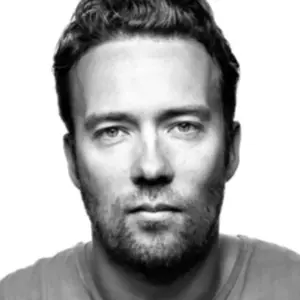 David Heinemeier Hansson recommended this book
David Heinemeier Hansson
"Probably one of the first primers I read on [improving my photography]." - DHH
David Heinemeier Hansson's recommendation of this book

For photographers who can operate a camera but struggle to organize a compelling frame. Freeman gives composition a systematic visual vocabulary, though the analysis takes more concentration than a quick collection of tips or camera-setting recipes.
What it's about
Michael Freeman examines composition as the organization of visual elements within a photograph. Examples explain framing, balance, contrast, and design, connecting the ability to recognize a scene's potential with the creative opportunities offered by digital photography.

On Photography
For photographers interested in what making and circulating images means culturally. Sontag offers critical questions that the technique manuals leave aside, though these essays predate digital photography and provide no instruction in using a camera.
What it's about
Susan Sontag examines the meaning and cultural influence of photographs in a series of essays. Her criticism considers how images mediate experience and shape ways of seeing, asking what photographing the world reveals, changes, or obscures.

For photographers who want technical choices to serve a personal artistic direction. Barnbaum connects craft with expressive intent more deeply than the beginner manuals, though the substantial discussion spans film and digital practice and rewards patient reading.
What it's about
Bruce Barnbaum connects photographic technique with personal artistic expression. Discussions of composition, light, color, visualization, and printing span film and digital practice, while reflections on intuition and creativity examine how photographers develop meaningful images and an individual voice.

For readers who learn best from working photographers explaining real decisions. McNally makes lighting and assignment problem-solving tangible through individual images, though the anecdotal structure gives less of a progressive curriculum than a general technique manual.
What it's about
Joe McNally pairs photographs with the stories and practical decisions behind them. His lessons cover lighting, portraits, location work, and handling assignments, showing how technical choices and responses to unexpected circumstances combine to create a successful image.

Extraordinary Everyday Photography
Awaken Your Vision to Create Stunning Images Wherever You Are
For photographers who feel they need new destinations or equipment to make worthwhile pictures. Its exercises develop attention in familiar surroundings, though it assumes you will get out and experiment rather than learn only through reading.
What it's about
Brenda Tharp and Jed Manwaring show how ordinary surroundings can become compelling photographs. Exercises in observing light, color, composition, and viewpoint encourage readers to find visual possibilities in familiar streets, parks, and everyday objects.

For serious beginners who want a substantial reference behind their practical experiments. Its broad treatment connects image-making fundamentals across film and digital methods, though it is denser and less immediately actionable than a short beginner guide.
What it's about
This introduction to serious photography explains image-making from camera fundamentals to finished output. Coverage of light, lenses, exposure, composition, and processing connects film and digital techniques, helping readers understand both the technical choices and creative decisions behind a photograph.
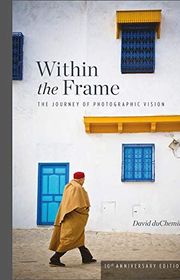
Within the Frame
For photographers seeking clearer purpose behind technically competent pictures. DuChemin connects personal vision with decisions made in the field, especially around people and places, though readers seeking camera-specific instructions or a complete editing workflow should start elsewhere.
What it's about
David duChemin explores how photographers can express what they see and feel through their images. Drawing on travel and people photography, he connects creative intention with composition, light, and the choices involved in working on location.

For complete beginners who want friendly explanations and approachable practice across common subjects. Its broad lessons make photography feel manageable, though readers already comfortable with light and exposure will find less depth than in the specialist books.
What it's about
Jim Miotke introduces photography through approachable lessons on light, composition, and exposure that work across different cameras. Exercises and examples cover subjects including portraits, flowers, and sunsets, with additional guidance on more advanced techniques and correcting photographs digitally.

Read This If You Want to Take Great Photographs
For beginners who want to understand successful photographs without much technical jargon. Short explanations linked to pictures make visual principles easy to approach, though the compact treatment offers less detail on settings and workflow than a larger manual.
What it's about
Henry Carroll introduces photography through clear explanations and examples from established photographers. Chapters on composition, exposure, light, lenses, and seeing connect practical camera choices with developing an eye for images, giving beginners an accessible foundation for taking stronger photographs.

The Digital Photography Book
The step-by-step secrets for how to make your photos look like the pros'!
For beginners who want direct instructions they can try on their next shoot. Kelby's short, practical tips make common photographic decisions accessible, though the recipe-based approach explains less theory than Understanding Exposure or Langford's Basic Photography.
What it's about
Scott Kelby offers concise, practical tips for making stronger digital photographs, explaining settings and techniques in everyday language. Examples cover subjects such as portraits, landscapes, weddings, and sports, along with lighting and printing, emphasizing decisions photographers can apply while shooting.

For photographers ready to use small flashes more deliberately on location. McNally's image-based explanations show how lighting choices solve real problems, though the equipment references reflect an earlier era and need translating to your own flash system.
What it's about
Joe McNally explains how small hot-shoe flashes can shape dramatic photographic lighting. Stories and behind-the-scenes examples reveal his decisions about placing, modifying, and coloring light, showing how portable equipment can address varied locations and subjects.
Sources
- 1
The Best Books about Digital Photography for Beginners » ItsJustLight.com
itsjustlight.com
- 2
18 Best Photography Books for Beginners (5 Categories) • PhotoTraces
phototraces.com
- 3
35 Best Photography Books in 2026 (Updated)
expertphotography.com
- 4
Top 35 Photography Books You Must Read
pixpa.com
- 5
The best books on photography | Digital Camera World
digitalcameraworld.com
- 6
Best Digital Photography Books (26 books)
goodreads.com
- 7
Books - Digital Photography Research and Resources - Research Guides at Southern New Hampshire University
libguides.snhu.edu
- 8
Books or photobooks you'd recommend
reddit.com


Edited by
Software engineer whose passion for tracking book recommendations from podcasts inspired the creation of MRB.
Lead investor at 3one4 Capital whose startup expertise and love for books helped shape MRB and its growth.
Comments
Spotted a missing book, a wrong order or a mistake? Tell us and we'll fix this page.
We're a reading guide, not the author or publisher, so we can't send books or pass on messages.