
16 Best Photography Books
The best photography books, ranked by how many expert sources recommend each one, with notes for choosing camera skills, composition, lighting, and creative ideas.
Our take
Photography books can help you control a camera, organize what you see, develop a body of work, or think about images more critically. These are different skills, so a useful first choice depends on what currently feels difficult. Some books here teach through short tips or illustrated examples; others offer textbook coverage, reflective essays, or an extended discussion of creative judgment.
Understanding Exposure concentrates on technical control, while The Photographer's Eye examines composition. Read This If You Want to Take Great Photographs offers a concise visual introduction, and Langford's Basic Photography provides a broader course-like foundation. For location lighting, consider Studio Anywhere or The Hot Shoe Diaries. The Art of Photography and The Essence of Photography ask how technique serves personal expression. On Photography and Camera Lucida turn toward interpretation and the meaning of images. Start with exposure if camera settings are the obstacle, composition if your frames feel uncertain, or a reflective book if technique is no longer your main question.
16 books · 9 sources · Last updated
As an Amazon Associate, we earn from qualifying purchases (at no extra cost to you).
How to choose from this list
Skip to the full rankingIf you want a concise first introduction: Read This If You Want to Take Great Photographs
If you want control over exposure: Understanding Exposure
If you want stronger compositions: The Photographer's Eye
If you want to light photographs on location: Studio Anywhere → The Hot Shoe Diaries
If you want to develop artistic judgment: The Art of Photography → The Essence of Photography
If you want to think critically about images: On Photography → Camera Lucida
The 16 books, ranked
Ranked by how many expert sources name each book. Ties go to the book more people recommend.

On Photography
For readers who want to question what photographs do within culture. Sontag's essays open ethical and intellectual problems beyond camera operation, though the dense arguments and historical references require slower reading than a practical instructional guide.
What it's about
Susan Sontag examines the meaning and cultural influence of photographs in a series of essays. Her criticism considers how images mediate experience and shape ways of seeing, asking what photographing the world reveals, changes, or obscures.

For photographers ready to connect technical control with artistic intention. Barnbaum gives seeing, visualization, and expression sustained attention, though the substantial length and detailed discussion make this a demanding study rather than a quick source of tips.
What it's about
Bruce Barnbaum connects photographic technique with personal artistic expression. Discussions of composition, light, color, visualization, and printing span film and digital practice, while reflections on intuition and creativity examine how photographers develop meaningful images and an individual voice.

For beginners who want to understand exposure instead of relying entirely on automatic settings. Peterson connects camera choices with visible effects, though the technical focus gives less attention to composition, editing, or developing a personal photographic voice.
What it's about
Bryan Peterson explains how aperture, shutter speed, and light work together to create an exposure. Illustrated lessons show photographers how to control depth of field, capture movement, interpret meter readings, and handle difficult lighting with different cameras.
Also recommended by
1 person David Heinemeier Hansson recommended this book
David Heinemeier Hansson
"Probably one of the first primers I read on [improving my photography]." - DHH
David Heinemeier Hansson's recommendation of this book

For photographers who understand their camera but struggle to organize a scene. Freeman gives composition a clear visual vocabulary, though the analytical design language may feel less immediate than learning through assignments or complete shooting projects.
What it's about
Michael Freeman examines composition as the organization of visual elements within a photograph. Examples explain framing, balance, contrast, and design, connecting the ability to recognize a scene's potential with the creative opportunities offered by digital photography.
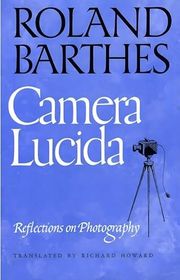
Camera Lucida: Reflections on Photography
For readers interested in why particular photographs affect them so strongly. Barthes connects close looking with memory and loss, though the philosophical language and intensely personal approach offer reflection rather than a comprehensive theory or practical shooting advice.
What it's about
Roland Barthes reflects on photographs as objects of attention, memory, and mourning. Moving between particular images and personal experience, he examines the difference between a photograph's general interest and the unexpected details that give it emotional force.

Read This If You Want to Take Great Photographs
For beginners who want a short, image-led introduction before committing to a technical manual. Carroll makes key decisions approachable through examples, though the concise treatment leaves detailed troubleshooting and advanced practice to more specialized books.
What it's about
Henry Carroll introduces photography through clear explanations and examples from established photographers. Chapters on composition, exposure, light, lenses, and seeing connect practical camera choices with developing an eye for images, giving beginners an accessible foundation for taking stronger photographs.

The Digital Photography Book
The step-by-step secrets for how to make your photos look like the pros'!
For readers who want practical answers they can try on their next shoot. Kelby's concise tips reduce the distance between reading and action, though the quick-answer format provides less systematic explanation of why every technique works.
What it's about
Scott Kelby offers concise, practical tips for making stronger digital photographs, explaining settings and techniques in everyday language. Examples cover subjects such as portraits, landscapes, weddings, and sports, along with lighting and printing, emphasizing decisions photographers can apply while shooting.

Capture Your Style
Transform Your Instagram Photos, Showcase Your Life, and Build the Ultimate Platform
For readers interested in styling photographs into a recognizable social-media presence. Song connects shooting choices with visual consistency across a feed, though the Instagram-specific presentation and audience-building advice age faster than the underlying photographic principles.
What it's about
Aimee Song shares her approach to creating and presenting photographs on Instagram. Advice on shooting, editing, styling, and arranging a feed covers fashion, food, and travel images, alongside developing a recognizable voice and building an audience.

Extraordinary Everyday Photography
Awaken Your Vision to Create Stunning Images Wherever You Are
For photographers who feel they need better locations before making interesting images. Tharp and Manwaring turn familiar surroundings into exercises in attention, though the emphasis on observation provides less detailed camera instruction than a beginner's technical guide.
What it's about
Brenda Tharp and Jed Manwaring show how ordinary surroundings can become compelling photographs. Exercises in observing light, color, composition, and viewpoint encourage readers to find visual possibilities in familiar streets, parks, and everyday objects.

For students who want a broad, structured account from capture to finished output. The coverage connects technical foundations with creative decisions across film and digital practice, though the textbook density makes it less immediately approachable than a short illustrated primer.
What it's about
This introduction to serious photography explains image-making from camera fundamentals to finished output. Coverage of light, lenses, exposure, composition, and processing connects film and digital techniques, helping readers understand both the technical choices and creative decisions behind a photograph.

Magnum Contact Sheets
For photographers who want to study how a final image emerges from a sequence. The contact sheets expose decisions usually hidden by a finished photograph, though the large historical collection rewards close study more than quick practical instruction.
What it's about
Edited by Kristen Lubben, this collection pairs Magnum photographers' contact sheets with the images ultimately selected for publication. Commentary explains the circumstances, choices, and editing processes behind photographs, revealing how a finished image emerges from successive frames.

For portrait photographers who want concrete ways to vary a shoot with simple resources. Repeating one model makes changes in styling and light easy to compare, though the limited subject variety offers less guidance on adapting to many different sitters.
What it's about
Imogen Dyer and Mark Wilkinson demonstrate ways to create varied portraits using one model, simple techniques, and accessible props and clothing. Their examples show how lighting, styling, location, and presentation can produce a diverse portfolio without elaborate equipment.

For photographers who need to make portraits or assignments work outside a conventional studio. Fancher's examples connect limited space and modest equipment with deliberate lighting, though the focused setups offer less of a complete foundation in photography.
What it's about
Nick Fancher demonstrates how to make polished photographs in unconventional spaces such as garages, offices, parks, and streets. Behind-the-scenes examples explain lighting and working with modest equipment for portraits and other assignments when a conventional studio is unavailable.

For photographers interested in portable flash and the decisions behind a working assignment. McNally's stories make lighting choices vivid and practical, though the anecdotal format gives less orderly progression than a dedicated lighting textbook.
What it's about
Joe McNally explains how small hot-shoe flashes can shape dramatic photographic lighting. Stories and behind-the-scenes examples reveal his decisions about placing, modifying, and coloring light, showing how portable equipment can address varied locations and subjects.

Best Business Practices for Photographers
For photographers beginning to treat creative work as a business. Harrington gives pricing, licensing, contracts, and client relationships substantial attention, though the US-centered examples and legal context need adaptation to the reader's location and circumstances.
What it's about
John Harrington examines the business responsibilities of professional photographers, from pricing and contracts to licensing, marketing, and client relationships. Practical examples address running a sustainable photography operation, managing payments and equipment, and balancing creative work with commercial demands.

For photographers who want to develop a more deliberate way of seeing. Barnbaum concentrates on observation and creative judgment, though the reflective approach offers fewer immediately repeatable procedures than a technical or project-based manual.
What it's about
Bruce Barnbaum explores seeing and creativity as foundations of photographic expression. Drawing on his photographs and teaching experience, he examines light, form, observation, and critical thinking, encouraging photographers to move from recording a scene toward making a personally meaningful image.
Sources
- 1
The best books on photography | Digital Camera World
digitalcameraworld.com
- 2
35 Best Photography Books in 2026 (Updated)
expertphotography.com
- 3
Photography Books - Five Books Expert Recommendations
fivebooks.com
- 4
What's on your shelf? | Photo Bookshelf
photobookshelf.com
- 5
Photography Books
goodreads.com
- 6
Books or photobooks you'd recommend : r/photography
reddit.com
- 7
Best Photography Books for Beginners in 2026: 9 Picks From a Working Photographer - Art of Her | Headshots, Branding and Custom Portrait Paintings
artofher.com
- 8
Recommended Photography Books
kenrockwell.com
- 9
Where to start? Books? Lenses? : r/AskPhotography
reddit.com





Edited by
Software engineer whose passion for tracking book recommendations from podcasts inspired the creation of MRB.
Lead investor at 3one4 Capital whose startup expertise and love for books helped shape MRB and its growth.
Comments
Did we miss something? Have feedback?
Help us improve this page by sharing your thoughts