
15 Best Street Photography Books
The best street photography books, ranked by how many expert sources recommend each one, with notes for beginners, working photographers, and photobook readers.
Our take
Street photography books teach in more than one way. A manual can suggest exercises and ways to approach unfamiliar scenes, while a photobook asks you to learn through repeated looking. Histories and anthologies offer another route, showing how different photographers have interpreted public life through timing, gesture, light, humor, and the arrangement of a frame.
Street Photography Now provides a broad selection of approaches, and Bystander places the practice in a longer history. For a closer look at individual visions, compare The Americans, The Suffering of Light, and Vivian Maier: Street Photographer. Their different uses of sequence, color, and everyday encounters make them useful companions rather than interchangeable examples. Magnum Contact Sheets reveals the decisions behind selected images, while The Mind’s Eye offers a written perspective on observation. Start with a broad collection or an instructional book, then spend time with a single photographer whose work makes you look again.
15 books · 8 sources · Last updated
As an Amazon Associate, we earn from qualifying purchases (at no extra cost to you).
How to choose from this list
Skip to the full rankingIf you want practical exercises: The Street Photographer's Manual
If you want a broad introduction: Street Photography Now → Bystander
If you want to study editing: Magnum Contact Sheets → The Americans
If you want to explore color and layers: The Suffering of Light
If you want an individual working approach: Think Like a Street Photographer → Joel Meyerowitz
If you prefer classic black-and-white work: The Decisive Moment → Vivian Maier
The 15 books, ranked
Ranked by how many expert sources name each book. Ties go to the book more people recommend.

The Suffering of Light
For photographers interested in color, complex frames, and simultaneous layers of action. Its sustained visual style offers a focused alternative to broad anthologies, though learning from the images requires close looking rather than explicit instruction.
What it's about
Alex Webb's photographic collection surveys thirty years of work, bringing together familiar and previously unpublished images. Intense color, layered compositions, and contrasting cultural settings connect photographs that move between street observation, photojournalism, and fine art.

The Americans
For readers who want to understand sequencing and personal vision in a photographic essay. Its cumulative portrait works differently from a collection of individual standout images, though the mid-century American setting offers little direct technical instruction.
What it's about
Robert Frank's photographs portray everyday American life during his travels in 1955 and 1956. Images of ordinary people, cars, lunch counters and bus depots form a visual sequence that examines the country through familiar places and overlooked details.

For readers drawn to human gesture and everyday city encounters in black and white. Its selection offers an approachable introduction to Maier’s eye, though a posthumously edited volume cannot show how she would have shaped a book herself.
What it's about
Edited by John Maloof, this collection introduces Vivian Maier's previously unseen street photography, including images of New York and Chicago. Her photographs record ordinary urban encounters with attention to gesture, composition, humor, and the varied circumstances of city life.

Street Photography Now
For readers who want to compare contemporary approaches before choosing individual photographers to study. Its broad international selection reveals the genre’s variety, though brief introductions offer less depth than a monograph or a detailed history.
What it's about
Sophie Howarth and Stephen McLaren present contemporary street photographers capturing everyday life across the world. Photographs and biographical accounts show contrasting approaches to candid scenes in public spaces, from city sidewalks and subways to beaches and parks.

The Decisive Moment
For readers interested in timing, geometry, and the relationship between a photograph and an unfolding scene. Its carefully composed images reward slow study, though it is a body of work to examine rather than a practical course.
What it's about
Henri Cartier-Bresson's early photographs accompany his reflections on timing, composition, and human experience. This facsimile of the original collection includes an additional historical essay by Clément Chéroux, tracing the publication's place in the development of photographic practice.

For readers who want historical context for the pictures they admire. Its extended account connects photographers and approaches across generations, though the length and density demand more sustained reading than an inspirational image collection.
What it's about
Colin Westerbeck and Joel Meyerowitz trace street photography from its nineteenth-century beginnings to contemporary practice. Their illustrated history examines major photographers, changing approaches to public life, and the development of digital photography in this revised edition.
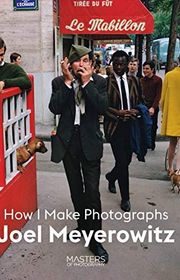
Joel Meyerowitz: How I Make Photographs
For beginners who want an experienced photographer’s advice in small, approachable lessons. Its personal observations connect looking with practical choices, though the compact format offers a selective working philosophy rather than an exhaustive technical reference.
What it's about
Joel Meyerowitz shares lessons about attention, influences, equipment, and photographing people and places. Examples from his work accompany advice on staying open to possibilities, choosing a useful lens, and developing a playful approach to making images.

Magnum Contact Sheets
For photographers who want to understand how a strong image emerges from imperfect attempts. Its contact sheets reveal selection and timing more directly than finished-image collections, though the range extends beyond street photography into photojournalism.
What it's about
Edited by Kristen Lubben, this collection pairs Magnum photographers' contact sheets with the images ultimately selected for publication. Commentary explains the circumstances, choices, and editing processes behind photographs, revealing how a finished image emerges from successive frames.
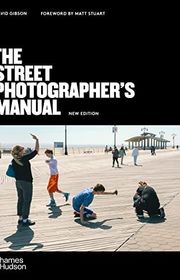
The Street Photographer's Manual
For photographers who want projects they can take onto the street. Its mixture of exercises and photographer profiles gives more practical structure than a monograph, though developing an individual eye still requires working beyond the assignments.
What it's about
David Gibson introduces street photography through project tutorials and profiles of photographers. Themes such as shadows, sequences, and objects provide starting points for making images, while examples demonstrate different ways of noticing and organizing scenes in public.
For photographers who want to work on anticipation, curiosity, and noticing possibilities. Its short chapters connect a playful approach with concrete pictures, though it focuses on the photographer’s mindset more than camera settings or a comprehensive course.
What it's about
Matt Stuart explains his approach to photographing public life through short thematic chapters and examples from his work. He discusses observation, anticipation, working within crowds, and the habits that help him recognize unexpected relationships in everyday scenes.

For readers who want to study Winogrand’s crowded frames and restless observation in context. The retrospective selection and accompanying essay offer more depth than a short anthology entry, though the posthumous editing shapes the view of his work.
What it's about
Garry Winogrand's photographs appear in thematic groups spanning streets, women, airports, rodeos, and unfinished work. John Szarkowski's accompanying essay examines his life and photographic practice in this retrospective collection, which includes images previously left unedited.

For photographers who want to loosen a rigid approach to equipment and image-making. Its account of walking, looking, and using a camera provides a personal working perspective, though Moriyama’s distinctive aesthetic will not suit every reader.
What it's about
Daido Moriyama discusses his approach to street photography in a book created with Takeshi Nakamoto. Following his photographic journeys, it explores the cameras, methods, and ways of looking behind his distinctive images of Japan and its people.

Road to Seeing
For photographers interested in developing a way of seeing across a whole career. Its blend of experience and reflection goes beyond a collection of street images, though substantial attention falls on other kinds of photographic work.
What it's about
Dan Winters combines his personal journey into photography with reflections on developing a visual language. Drawing on professional and personal projects, he discusses portraiture, street photography, portfolios, photographic history, and the habits that sustain creative work.

For photographers who want to read about Cartier-Bresson’s thinking as well as look at his images. Its essays give context to observation and photographic practice, though the reflective prose offers fewer practical exercises than a teaching manual.
What it's about
Henri Cartier-Bresson's collected writings explore photography, the decisive moment, and his experiences observing Moscow, Cuba, and China. Other pieces consider fellow photographers, offering a written counterpart to the attention to people and circumstances evident in his images.

For readers who want to compare street photographs through themes rather than one photographer’s career. Its exhibition-catalogue structure connects urban experiences across decades, though the broad survey provides less sustained attention to any single body of work.
What it's about
This exhibition catalogue surveys seven decades of street photography through thematic groups exploring urban space, public movement, anonymity, and alienation. Edited by Sabine Schnakenberg, it places historical photographs beside contemporary work to examine changing representations of city life.
Sources
- 1
Best Photography Books: 30 That Teach You to See
streetphotographycourse.com
- 2
A Selection Street-based Photobooks and Links
rps.org
- 3
Street Photography Books
goodreads.com
- 4
What are the staple photobooks of street photography?
reddit.com
- 5
Favorite Photo books?
reddit.com
- 6
20 Of The Best Street Photography Books of All Time
streetwithmatt.com
- 7
9 of The Most Iconic Photography Books Of All Time
trovatten.com
- 8
Best books on street photography in 2026
digitalcameraworld.com




Edited by
Software engineer whose passion for tracking book recommendations from podcasts inspired the creation of MRB.
Lead investor at 3one4 Capital whose startup expertise and love for books helped shape MRB and its growth.
Comments
Spotted a missing book, a wrong order or a mistake? Tell us and we'll fix this page.
We're a reading guide, not the author or publisher, so we can't send books or pass on messages.