
21 Best Piano Books
The best piano books, ranked by how many expert sources recommend each one, with notes for beginners and players choosing methods, studies, and practice guides.
Our take
Piano books serve several different jobs. Beginner methods organize the first lessons in reading, rhythm, and coordination. Technical collections provide patterns and studies to use alongside music, while books on interpretation and practice explore how playing develops over time. Memoirs and essays offer another way into the instrument, without pretending to be lessons. Choose by your current reading ability, age, and musical goal rather than collecting several equivalent starting courses.
For adults beginning at the keyboard, Alfred's Basic Adult All-In-One Piano Course combines lessons with theory and technique; Adult Piano Adventures offers another integrated route. Young children may prefer John Thompson's Easiest Piano Course Part 1. Once basic reading is established, The Complete Book of Scales, Chords, Arpeggios & Cadences supplies supporting material. Czerny’s Op. 599 and Op. 299 represent different levels, so they should not be treated as interchangeable. The Art of Piano Playing addresses musical development, and The Piano Shop on the Left Bank is a memoir. Start with one appropriate method or a clearly defined supplementary goal.
21 books · 9 sources · Last updated
As an Amazon Associate, we earn from qualifying purchases (at no extra cost to you).
How to choose from this list
Skip to the full rankingIf you're an adult starting from the beginning: Alfred's Basic Adult All-In-One Piano Course
If you're choosing a first book for a child: John Thompson's Easiest Piano Course Part 1
If you already read simple music and want technical practice: The Complete Book of Scales, Chords, Arpeggios & Cadences → Practical Method for Beginners on Pianoforte, Op. 599
If you want musical interpretation and reflective practice: The Art of Piano Playing → The Art of Practicing
If you want to study jazz at the keyboard: The Jazz Piano Book
If you want a memoir about returning to piano: The Piano Shop on the Left Bank
The 21 books, ranked
Ranked by how many expert sources name each book. Ties go to the book more people recommend.

For adult beginners who want playing, theory, and technical work in one place. The integrated assignments give practice a clear sequence, but its chord-based progression still benefits from feedback on rhythm, movement, and sound rather than simply completing pages.
What it's about
This beginner piano course for adults combines playing lessons, music theory, and technique in one volume. Written assignments, hand exercises, finger drills, and varied songs reinforce each lesson, with explanations of chords and different playing styles.

For adults who want a coordinated introduction to reading, technique, and musical expression. Familiar repertoire keeps the lessons approachable, but this is the opening course book, so sustained progress needs regular practice and further material rather than repeated browsing.
What it's about
Nancy and Randall Faber combine piano lessons, technique, and music theory for adult learners. Familiar songs support the introduction of notation, keyboard skills, and chord playing, allowing students to develop musicianship through coordinated practical exercises.
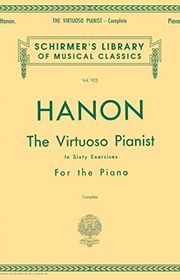
Hanon: The Virtuoso Pianist in Sixty Exercises
For players with basic reading skills who want concentrated technical patterns. The repeated figures allow attention to evenness and coordination, but the complete collection becomes demanding and should complement musical repertoire and feedback rather than replace them.
What it's about
Hanon’s complete collection presents sixty technical exercises for piano, progressing through repeated patterns, scales, and other coordinated figures. The studies offer material for focused practice across the keyboard, with later exercises extending beyond the demands of the opening pages.
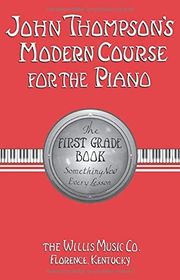
John Thompson's Modern Course for the Piano: First Grade Book
For learners who want a traditional, structured piano method with a brisk progression. Short pieces connect notation with musical practice, but the pace and older presentation may suit dedicated older beginners better than children needing very small steps.
What it's about
Thompson’s first-grade method introduces reading, rhythm, and keyboard technique through a sequence of short pieces and lessons. The course aims to build a foundation for musical playing, with material that can follow an introductory primer or begin a concentrated course.
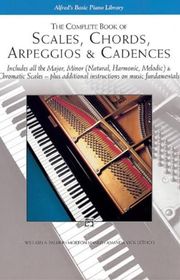
The Complete Book of Scales, Chords, Arpeggios & Cadences
For students who want a technical reference across major and minor keys. The organized patterns connect fingering with basic harmony, but this is material to select and practice over time, not a complete beginner’s lesson course.
What it's about
Palmer, Manus, and Lethco collect scales, chords, arpeggios, and cadences with explanations of their musical construction. Fingering guidance and related exercises help students connect keyboard patterns with theory, providing a reference that can support lessons at several stages of development.

The Jazz Piano Book
For pianists who read music and want a substantial reference for jazz harmony and voicings. The notated examples connect theory with the keyboard, but the density and assumed foundation make it a demanding first book for a complete beginner.
What it's about
Mark Levine explains jazz piano through musical examples and practical discussions of harmony and keyboard technique. Topics include intervals, modes, chord progressions, voicings, substitutions, stride, block chords, and comping, connecting theoretical knowledge with playing.
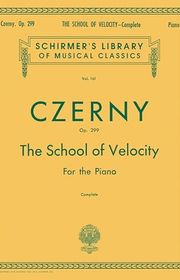
The School of Velocity, Op. 299
For intermediate and advanced pianists who want substantial studies of fluency and coordination. The complete collection offers sustained technical work within musical passages, but its demands are well beyond an introductory method and need careful selection and feedback.
What it's about
Czerny’s Op. 299 gathers forty studies across four books, exploring rapid patterns, articulation, and coordinated keyboard movement. The complete edition provides progressively demanding musical exercises for pianists developing fluency beyond introductory technique and applying control across longer passages.

For adult beginners who want a chord-based lesson sequence with familiar tunes. The focus on fuller accompaniments gives early playing a clear purpose, but this lesson book is distinct from the broader all-in-one course and may need supporting material.
What it's about
Designed for adult beginners, this piano method introduces a chord-based approach to playing. Students learn chords in both hands alongside familiar melodies, developing fuller accompaniments through a sequence of lessons intended for use with a teacher.

For beginning students who want a gradual introduction to reading through intervals and short pieces. The listed Level 1A lesson book provides a defined starting point, but its child-oriented presentation and method sequence work best with consistent guidance.
What it's about
This introductory piano method develops keyboard familiarity, rhythm, and note reading through recognition of intervals. Short songs introduce steps, repeated notes, treble and bass clefs, the grand staff, and basic accidentals in a gradual progression.
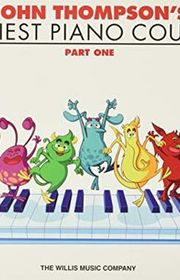
John Thompson's Easiest Piano Course Part 1
For young beginners who need an illustrated, gradual introduction to the keyboard. The short lessons make early material manageable, but it is an opening volume for guided learning rather than a self-contained course for every age and goal.
What it's about
Thompson introduces children to piano through simple pieces, illustrations, written activities, and review. The first part develops early note reading, rhythm, and keyboard familiarity in small steps, preparing students to continue through later volumes of the course.
Piano For Dummies
For adults who want explanations of the instrument, notation, and different playing styles in one approachable guide. The broad coverage makes selective reading easy, but it provides less of a tightly graded lesson path than the dedicated method courses.
What it's about
This third edition introduces piano fundamentals through explanations, exercises, and examples spanning several styles. It discusses the keyboard, reading music, technique, and musical development, with accompanying audio and video intended to illustrate concepts and support practice beyond the printed page.
Piano Notes
For readers curious about the experience and culture of serious piano playing. Rosen’s performer’s perspective connects mechanics, repertoire, and interpretation, but the essay-like discussion assumes interest in classical traditions and does not supply a daily lesson or practice plan.
What it's about
Rosen reflects on the piano as an instrument and on the life of the pianist. Discussions of sound, technique, repertoire, performance, and musical culture connect practical experience with questions about how pianists understand and communicate the works they play.
Playing the Piano for Pleasure
For adult amateurs who want encouragement and structure for long-term practice. The attention to enjoying serious music offers an alternative to career-focused study, but the routines and repertoire reflect an earlier period and assume some ability to play.
What it's about
Cooke discusses how an amateur pianist can organize practice and develop a lasting relationship with repertoire. Personal experience and conversations with musicians inform his suggestions, connecting regular work, musical ambition, and the pleasure of playing outside a professional career.
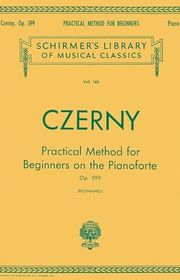
Practical Method for Beginners on Pianoforte, Op. 599
For late beginners and developing players who want technical studies with musical phrasing. The progressive pieces can extend lesson work, but the title does not mean no prior reading or guidance is needed; students should select an appropriate starting point.
What it's about
Czerny’s Op. 599 presents progressive piano studies for developing reading, coordination, and basic technique. Short pieces introduce recurring patterns and technical demands in musical form, providing material that teachers and students can select alongside an existing course or repertoire.
The Art of Piano Playing
For pianists and teachers interested in connecting technique with musical intention. The reflective teaching perspective gives interpretation priority, but it assumes musical experience and offers less of a fixed exercise sequence than a graded method or technical collection.
What it's about
Neuhaus draws on teaching and performance to consider sound, technique, interpretation, and the development of a pianist. The book connects physical command with musical imagination, using discussion and examples to explore how practice can serve the character of the music.
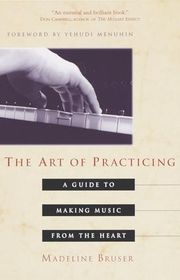
The Art of Practicing
For musicians who want to reconsider how attention and physical awareness shape practice. The reflective approach can complement technical study, but it is not limited to piano and provides a different kind of guidance from a graded lesson book.
What it's about
Bruser examines the physical and mental experience of practicing music through discussion, illustrations, and reflective exercises. The book considers attention, movement, sound, and emotional engagement, inviting musicians to connect technical work with a more attentive relationship to their playing.
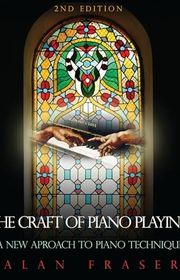
The Craft of Piano Playing
For pianists interested in a detailed approach to physical coordination at the keyboard. The illustrations and exercises make the proposed technique concrete, but the movements are complex and benefit from informed feedback rather than interpretation from text alone.
What it's about
Fraser develops an approach to piano technique through discussion of movement, coordination, and the relationship between the body and keyboard. Illustrations and exercises support his account, encouraging pianists to examine how physical organization can influence musical control and expression.
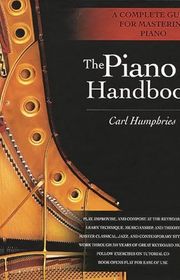
The Piano Handbook
For readers who want a broad reference connecting piano basics with several musical styles. The integrated approach encourages exploration beyond classical repertoire, but its range can feel less gradual than a method designed around one carefully graded sequence.
What it's about
Humphries introduces piano playing through exercises and examples spanning classical and contemporary styles. The handbook combines technique, theory, musical development, and background on the instrument, with accompanying recordings intended to demonstrate concepts and support work at the keyboard.
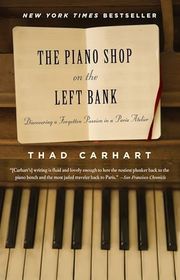
The Piano Shop on the Left Bank
For readers who want a personal story about returning to music and discovering the world around an instrument. The workshop setting gives piano culture a human scale, but this is memoir and reflection rather than a playing method.
What it's about
Carhart’s curiosity about a Paris piano shop leads to a friendship with its craftsman and a renewed relationship with music. The memoir connects instruments, their owners, and the work of caring for pianos with reflections on rediscovering a personal passion.

For young beginners who benefit from a clear, illustrated progression into notation. The primer’s short pieces support early coordination and reading, but it is only the first level of a larger method and does not provide an adult self-study reference.
What it's about
James Bastien introduces beginning piano students to playing through simple original pieces and familiar musical styles. The primer progresses from notation before the staff to reading on the grand staff, emphasizing repeated notes, steps, skips, and accompanying duets.

For beginners who want a lesson sequence combining early reading with expressive playing. The primer develops skills through small steps and familiar patterns, but the lesson book is separate from the series’ theory, performance, and technique supplements.
What it's about
This primer introduces the keyboard, note values, and reading on the grand staff. Lessons develop five-finger patterns, steps and skips, finger independence, dynamics, and pedal use, with pieces and review activities that reinforce newly introduced skills.
Sources
- 1
9 Best Piano Books For Self Teaching
joshuarosspiano.com
- 2
The 7 Best Piano Theory Books on the Market That are Amazing
digitalpianoreviewguide.com
- 3
Best Piano Books for Beginners – Adult Piano Method Book Reviews
pianote.com
- 4
100 Best Piano Books of All Time
shortform.com
- 5
Piano Books
goodreads.com
- 6
Teaching Piano: Which Method Books Should I Use?
musicandtheory.com
- 7
Piano Book Guide
static1.squarespace.com
- 8
Books for learning piano recommendations?
reddit.com
- 9
What are the best books on improving overall piano skills?
reddit.com




Edited by
Software engineer whose passion for tracking book recommendations from podcasts inspired the creation of MRB.
Lead investor at 3one4 Capital whose startup expertise and love for books helped shape MRB and its growth.
Comments
Spotted a missing book, a wrong order or a mistake? Tell us and we'll fix this page.
We're a reading guide, not the author or publisher, so we can't send books or pass on messages.