
11 Best Jazz Piano Books
The best jazz piano books, ranked by expert-source recommendations, with notes to help players choose beginner methods, harmony references and comping guides.
Our take
Jazz piano brings harmony, rhythm, listening and improvisation together at the keyboard. Learning chord names is only part of the work: players also need to voice chords, support a soloist and develop lines that fit a tune. These books approach those skills differently, so the most useful choice depends on your existing piano skills and the structure you need.
Jazz Piano Fundamentals (Book 1) gives jazz newcomers a planned course, while The Jazz Piano Book works better as a broad reference. The Jazz Theory Book and Jazzology extend the theoretical picture beyond the keyboard. For focused practice, Jazz Keyboard Harmony: A Practical Voicing Method for All Musicians builds voicings systematically, and An Approach To Comping: The Essentials concentrates on accompaniment. Playing Solo Jazz Piano: A New Approach for Creative Pianists develops textures for performing alone.
If you already read music, begin with Jazz Piano Fundamentals (Book 1) for structure, or choose a voicing guide if you already play tunes and need stronger accompaniment.
11 books · 10 sources · Last updated
As an Amazon Associate, we earn from qualifying purchases (at no extra cost to you).
How to choose from this list
Skip to the full rankingIf you are new to jazz and can read music: Jazz Piano Fundamentals (Book 1) → Intro to Jazz Piano: Hal Leonard Keyboard Style Series
If you want a practical reference: The Jazz Piano Book → The Jazz Theory Book
If you want stronger chord voicings: Jazz Keyboard Harmony: A Practical Voicing Method for All Musicians → Voicings for Jazz Keyboard
If you want to accompany a soloist: An Approach To Comping: The Essentials
If you want to perform unaccompanied: Playing Solo Jazz Piano: A New Approach for Creative Pianists
If you want melodic lines through chord changes: Exploring Jazz Piano - Volume 1 → Connecting Chords with Linear Harmony
The 11 books, ranked
Ranked by how many expert sources name each book. Ties go to the book more people recommend.

The Jazz Piano Book
For pianists who already read music and want a broad practical reference. Its examples connect harmony with keyboard playing across many topics, but the dense coverage is not a step-by-step beginner curriculum and needs regular listening alongside study.
What it's about
Mark Levine explains jazz piano through musical examples and practical discussions of harmony and keyboard technique. Topics include intervals, modes, chord progressions, voicings, substitutions, stride, block chords, and comping, connecting theoretical knowledge with playing.

The Jazz Theory Book
For players who want a deeper harmonic reference beyond piano-specific technique. Its recorded musical examples connect theory with repertoire more directly than a pure exercise book, but its breadth and chord-scale emphasis can overwhelm beginners.
What it's about
Mark Levine develops jazz theory from basic chord construction and progressions to scales, blues, rhythm changes, and reharmonization. Extensive musical examples support practical guidance on reading lead sheets, memorizing tunes, and applying harmonic ideas to performance.

Voicings for Jazz Keyboard
For keyboard players who want practical ways to build and move jazz voicings. Its compact, hands-on approach suits focused harmony practice, but it is not a complete beginner method and needs application to tunes to become musical.
What it's about
Frank Mantooth offers practical instruction for keyboard players seeking to improve their jazz chord voicings. Written as a hands-on guide, the book addresses a skill relevant to performing, arranging, teaching, and understanding jazz harmony.

For pianists who want a systematic path from simple shells to fuller voicings. Its all-key exercises turn harmony into repeatable keyboard practice, but the method demands sustained transposition work and is narrower than a complete improvisation course.
What it's about
Phil DeGreg teaches jazz piano voicings through a systematic progression from two-note shells to more complex chord structures. Exercises in every key, song arrangements, and practice strategies connect harmony with comping rhythms, bass lines, and melodic patterns.

For pianists who want to accompany other musicians with more purpose. Its rhythms, voicings and transcriptions keep ensemble support at the center, but this focused comping course assumes basic keyboard skills and offers less help with solo performance.
What it's about
Jeb Patton teaches jazz accompaniment through rhythms, voicings, chord progressions, and examples from notable pianists. Exercises, transcriptions, interviews, and demonstration tracks show how comping can support a soloist and contribute to a jazz ensemble.
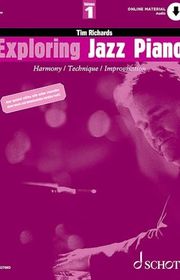
Exploring Jazz Piano - Volume 1
For players who want progressive exercises that connect harmony, rhythm and improvisation. Its course format gives more direction than browsing a reference, but it requires existing piano and reading skills and rewards patient practice rather than quick skimming.
What it's about
Tim Richards develops jazz piano skills through practical exercises and repertoire. The first volume connects harmony, rhythm and improvisation, helping pianists apply ideas at the keyboard as they work through a progressive course of study.
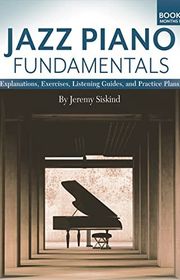
Jazz Piano Fundamentals (Book 1)
For pianists new to jazz who want a planned sequence of study. Its lessons, listening guides and practice plans provide more direction than a reference book, but it assumes music-reading ability and benefits from feedback on rhythm and sound.
What it's about
Jeremy Siskind introduces jazz piano through lessons, exercises, listening guides and practice plans. The first book develops skills including chord symbols, lead-sheet reading, swing, voicings and improvisation, giving players a structured route through early study.

For pianists who want to make an unaccompanied performance sound varied. Its contrasting textures encourage choices beyond repeating one voicing pattern, but the creative exercises are more useful after basic chords, reading and rhythm feel secure.
What it's about
Jeremy Siskind explores traditional and modern approaches to solo jazz piano, including stride, shell voicings, bass lines, ballads, and counterpoint. Musical examples and exercises encourage pianists to experiment with textures and develop a personal approach to performance.
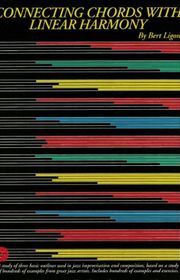
Connecting Chords with Linear Harmony
For improvisers who want melodic lines to express the movement of chords. Its analysis of recurring outlines adds a different focus from the voicing manuals, but it assumes harmonic knowledge and is written for musicians beyond pianists.
What it's about
Bert Ligon studies three recurring melodic outlines used in jazz improvisation and composition. Examples drawn from jazz musicians show how lines connect changing harmonies, giving players patterns to analyze, practice and develop in their own improvising.

For players who want a concise introduction to jazz accompaniment and soloing. Its demonstration and play-along material makes concepts more immediate than a large reference, but it moves briskly and assumes you can already manage basic keyboard playing.
What it's about
Mark Harrison introduces jazz piano accompaniment and soloing through chords, progressions, voicings, and melodic techniques. The book covers swing and bossa nova styles, reading from fake books, and musical examples supported by demonstration and play-along audio.
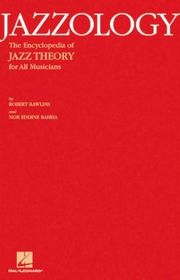
Jazzology
For musicians who want an organized theory reference with exercises. Its broad coverage offers another perspective alongside Levine, but it is not piano-specific and its constructed examples need listening and repertoire practice to develop stylistic understanding.
What it's about
Robert Rawlins and Nor Eddine Bahha explain jazz theory across topics including intervals, chords, scales, harmony and improvisation. Musical examples and exercises help readers work through concepts, providing a general reference for students and performers on different instruments.
Sources
- 1
The Best Books to Learn Jazz | Music Theory, Piano, Saxophone & More!
jazzfuel.com
- 2
Best Jazz Books, Courses and Gear.
jazz-library.com
- 3
Jazz Resources & Books for Anyone Interested in Jazz
thejazzpianosite.com
- 4
Books List for learning jazz piano
reddit.com
- 5
Jazz Piano — book reviews
jazzbooksreviews.com
- 6
9 Best Jazz Piano Books For Any Level
wanderingtunes.com
- 7
Jazz Piano Book Reviews
learnjazzpiano.com
- 8
Targeted PDFs for specific areas of jazz playing
reddit.com
- 9
Jazz Piano Books
goodreads.com
- 10
10 best jazz piano books for all levels
pianistmagazine.com








Edited by
Software engineer whose passion for tracking book recommendations from podcasts inspired the creation of MRB.
Lead investor at 3one4 Capital whose startup expertise and love for books helped shape MRB and its growth.
Comments
Spotted a missing book, a wrong order or a mistake? Tell us and we'll fix this page.
We're a reading guide, not the author or publisher, so we can't send books or pass on messages.