
30 Best English Books
The best English literature books, ranked by how many expert sources recommend each one, with notes on who they suit and where new readers can start.
Our take
English literature includes much more than novels set in England. These books range across British, Irish, American, and Nigerian writing, with different ways of exploring class, power, love, and belonging. They suit readers returning to classics, building a reading habit, or looking beyond familiar classroom titles. Some tell an absorbing story in direct language; others ask you to notice how the story itself is being told.
For social comedy, try Pride and Prejudice or Emma. Jane Eyre combines an intimate voice with Gothic tension, while Rebecca offers a later variation on the unsettling country house. Things Fall Apart changes the perspective on colonial encounters, and Beloved demands a slower, more emotionally difficult reading. Mrs. Dalloway and Ulysses make consciousness and language central to the experience. Start with Pride and Prejudice for wit, The Great Gatsby for brevity, or Jane Eyre for a longer emotional journey.
30 books · 9 sources · Last updated
As an Amazon Associate, we earn from qualifying purchases (at no extra cost to you).
How to choose from this list
Skip to the full rankingIf you’re new to classics: Pride and Prejudice → Jane Eyre
If you want Gothic tension: Frankenstein → Rebecca
If you want to explore colonialism: Things Fall Apart → A Passage to India
If you want modernist fiction: Mrs. Dalloway → To The Lighthouse → Ulysses
If you enjoy a large social world: Great Expectations → Middlemarch
The 30 books, ranked
Ranked by how many expert sources name each book. Ties go to the book more people recommend.
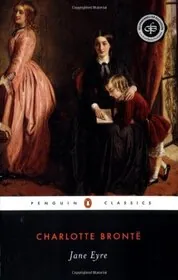
Jane Eyre
For readers who want an intimate voice, moral independence, and Gothic tension together. Jane’s insistence on self-respect gives the romance its force, though religious language and Victorian coincidences can require adjustment.
What it's about
Orphaned and mistreated, plain but fiercely self-respecting Jane Eyre grows up in a harsh charity school before becoming governess at Thornfield Hall, where her deepening love for the enigmatic Mr Rochester collides with class, conscience, and a dangerous secret.
Also recommended by
3 people Gretchen Rubin recommended this book
Gretchen Rubin
"Has started drifting into YA." - Gretchen Rubin
Gretchen Rubin's recommendation of this book  Alice Walker recommended this book
Alice Walker
"My feeling of kinship with [this book] has never waned." - Alice Walker
Alice Walker's recommendation of this book  Shonda Rhimes recommended this book
Shonda Rhimes
"One of those that when you read it, kinda changes you." - Shonda Rhimes
Shonda Rhimes's recommendation of this book
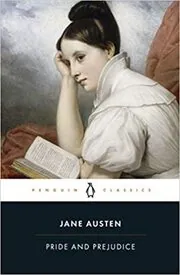
Pride and Prejudice
For readers who enjoy sharp conversation and characters revising their assumptions. Its balance of romance and social observation offers an inviting entry to Austen, though manners and family finances shape every exchange.
What it's about
Elizabeth Bennet thinks she has Mr. Darcy figured out, until pride, gossip, and a disastrous first impression force her to look again. It's a love story powered by wit, family chaos, and painful self-correction.
Also recommended by
2 people Hillary Clinton recommended this book
Hillary Clinton
One of Hillary Clinton's 3 answers to "Is there one book you wish all students would read?"
Hillary Clinton's recommendation of this book  Tim O’Reilly recommended this book
Tim O’Reilly
"In terms of classics, you can’t do better than [this author] for understanding the human soul." - Tim O’Reilly
Tim O’Reilly's recommendation of this book

1984
For readers interested in political language and the pressures of conformity. Its direct prose makes difficult ideas approachable, though the relentless fear and cruelty offer little of the social warmth found elsewhere here.
What it's about
In a future dictatorship where Big Brother watches everyone, Winston Smith rewrites history for the Party but quietly begins to doubt the system. His search for truth and love becomes a struggle against torture, surveillance, and the erasure of reality.
Also recommended by
14 people Tristan Harris recommended this book
Tristan Harris
"[The author]'s dark vision." - Tristan Harris
Tristan Harris's recommendation of this book  Jordan Peterson recommended this book
Jordan Peterson
Recommended on Jordan Peterson's website.
Jordan Peterson's recommendation of this book  J. Cole recommended this book
J. Cole
J. Cole mentioned reading this book on The Fayetteville Observer.
J. Cole's recommendation of this book  Emma Watson recommended this book
Emma Watson
On the "books read" section of Emma Watson's GoodReads profile.
Emma Watson's recommendation of this book  Noam Chomsky recommended this book
Noam Chomsky
On the "Top 100 Books Referenced by Noam Chomsky" list.
Noam Chomsky's recommendation of this book  Richard Branson recommended this book
Richard Branson
Richard Branson recommended this book on his "70 must-read books" blog post.
Richard Branson's recommendation of this book +8
More recommendations
- Matt Mullenweg
Matt Mullenweg mentioned this book on "The Tim Ferriss Show" podcast.
- Christopher Hitchens
"We were all expected to read Animal Farm and [this book], which had been placed on the syllabus as part of the curriculum of the Cold War." - Christopher Hitchens
- Sahil Lavingia
Sahil Lavingia recommended this book on Notion.
- Jenn Im
"Highly recommend." - Jenn Im
- Winston Churchill
One of Winston Churchill's favorite books.
- Diane Rehm
"Examines the consequences of totalitarianism, mass surveillance and government repression." - Diane Rehm
- Anna Akana
Anna Akana recommended this book on Twitter.
- Brad Delong
Brad Delong recommended this book in his website.
- Matt Mullenweg
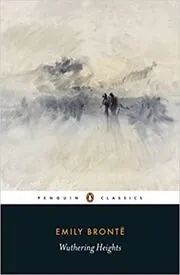
Wuthering Heights
For readers comfortable with disturbing relationships and competing accounts of the past. Its layered narration makes judgment difficult in productive ways, though sustained cruelty makes it a demanding choice for romance seekers.
What it's about
On the Yorkshire moors, the bond between Heathcliff and Catherine Earnshaw hardens into obsession, cruelty, and revenge. Bronte's only novel follows the damage across two generations, with a stormy atmosphere that still feels raw.
Also recommended by
2 people- Jordan Peterson recommended this book
Jordan Peterson
Recommended on Jordan Peterson's website.
Jordan Peterson's recommendation of this book  Chloë Grace Moretz recommended this book
Chloë Grace Moretz
"I have read it at least 10 times since I was 14. In my opinion, the romance in it is scarcely found in books today." - Chloë Grace Moretz
Chloë Grace Moretz's recommendation of this book
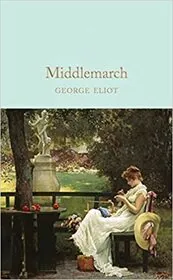
Middlemarch
For patient readers drawn to marriages, ambitions, and the consequences of ordinary decisions. Its broad social perspective rewards sustained attention, but the large cast and reflective narrator make it a substantial commitment.
What it's about
In a provincial town before the Reform Bill, Dorothea Brooke and Dr. Tertius Lydgate both chase useful lives and make painful marriages. Eliot turns local gossip, politics, money, and ambition into a broad human drama.
Also recommended by
1 person Christopher Hitchens recommended this book
Christopher Hitchens
"[Appears] not to be written by [a human being]." - Christopher Hitchens
Christopher Hitchens's recommendation of this book
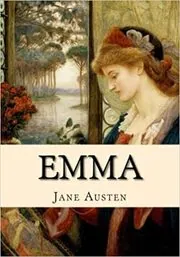
Emma
For readers who enjoy social puzzles and a narrator whose judgments need testing. Its irony makes rereading especially rewarding, though a small community’s courtships demand more patience than a dramatic adventure.
What it's about
Emma Woodhouse is clever, rich, and far too sure she understands other people's hearts. Her attempts at matchmaking set off a chain of misunderstandings that slowly teaches her how little she has seen, including in herself.
Also recommended by
2 people J.K. Rowling recommended this book
J.K. Rowling
"Jane Austen is J.K. Rowling's favorite author of all time, and 'Emma' is her favorite of her books." - Business Insider
J.K. Rowling's recommendation of this book  Jack Edwards recommended this book
Jack Edwards
"[The author's] best piece of work." - Jack Edwards
Jack Edwards's recommendation of this book

The Great Gatsby
For readers who want a short novel with much to discuss about wealth and self-invention. Its compressed imagery rewards rereading, though the distant narrator and privileged social world can limit emotional closeness.
What it's about
Nick Carraway becomes drawn into the world of his wealthy Long Island neighbor Jay Gatsby, who hopes to reclaim a past romance with Daisy Buchanan. Lavish parties conceal obsession and unease as money, desire and loyalty bring their social circle into conflict.
Also recommended by
9 people Taylor Swift recommended this book
Taylor Swift
"Taylor Swift's 'Delicate' video is full of parallels to [this book]." - Korey Lane
Taylor Swift's recommendation of this book  Bill Gates recommended this book
Bill Gates
"Melinda and I really like [this book]. When we were first dating, she had a green light that she would turn on when her office was empty and it made sense for me to come over." - Bill Gates
Bill Gates's recommendation of this book  Neil deGrasse Tyson recommended this book
Neil deGrasse Tyson
"I can’t do that. I’m sorry. I’ll never be a novelist." - Neil deGrasse Tyson
Neil deGrasse Tyson's recommendation of this book  Daniel Pink recommended this book
Daniel Pink
"I’ve read [this book] at different points in my life." - Daniel Pink
Daniel Pink's recommendation of this book  Ev Williams recommended this book
Ev Williams
On the "books read" section of Ev Williams' GoodReads profile.
Ev Williams's recommendation of this book  Ta-Nehisi Coates recommended this book
Ta-Nehisi Coates
"I'm a sucker for efficiency. This book gets so much out of what is, ultimately, a rather slim story. I adore it." - Ta-Nehisi Coates
Ta-Nehisi Coates's recommendation of this book +3
More recommendations
- Christopher Hitchens
"[The author] found he'd taken on all the great American themes, from the original 'dream' itself to the corresponding loss of innocence." - Christopher Hitchens
- Jim Carrey
"I've already lived out [this book] and still I beat on, boats against the current, borne back ceaselessly into the past." - Jim Carrey
- Ryan Holiday
"I’ve read and re-read many times." - Ryan Holiday
- Christopher Hitchens
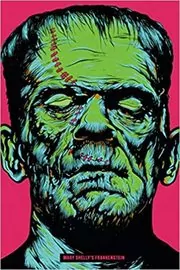
Frankenstein
For readers interested in responsibility, exclusion, and the ethics of creation. Its competing voices complicate familiar monster imagery, though the nested narration and emotional speeches differ sharply from most film adaptations.
What it's about
Victor Frankenstein creates life, recoils from what he has made, and sets disaster in motion. The novel is both Gothic nightmare and sharp study of ambition, responsibility, and the damage caused by abandonment.
Also recommended by
2 people David Deutsch recommended this book
David Deutsch
"It's pretty clear from [this book] that [the author] was in sympathy with [her father's] educational philosophy." - David Deutsch
David Deutsch's recommendation of this book  Glenn Beck recommended this book
Glenn Beck
"Great book." - Glenn Beck
Glenn Beck's recommendation of this book

Great Expectations
For readers who want Dickens’s social criticism within a focused coming-of-age novel. Its first-person voice gives shame and aspiration unusual immediacy, though coincidences remain central to its design and resolution.
What it's about
When orphan Pip receives mysterious money, he imagines he can become a gentleman and win Estella. Dickens turns his rise into a searching story about class, shame, ambition, and what real loyalty looks like.
Also recommended by
2 people- Richard Branson recommended this book
Richard Branson
Richard Branson recommended this book on his "70 must-read books" blog post.
Richard Branson's recommendation of this book  Oprah Winfrey recommended this book
Oprah Winfrey
"You get something new every time." - Oprah Winfrey
Oprah Winfrey's recommendation of this book

David Copperfield
For readers who enjoy long, intimate journeys through a crowded social world. Its autobiographical voice gives Dickens’s comedy warmth, though episodic stretches and idealized characters can slow its considerable length.
What it's about
David grows from a bruising childhood into early independence, bad choices, heartbreak, and a writing life of his own. Told in the first person, it is Dickens's most intimate coming-of-age novel.
Also recommended by
1 person Russell Moore recommended this book
Russell Moore
Russell Moore recommended this book on Twitter.
Russell Moore's recommendation of this book
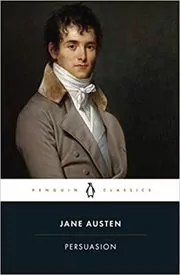
Persuasion
For readers who prefer restrained feeling and mature reflection to bright social comedy. Its treatment of regret makes it distinct among Austen’s novels here, though the quieter movement can initially seem uneventful.
What it's about
Eight years after being persuaded to reject Captain Wentworth, Anne Elliot meets him again and gets one last chance to read her own heart honestly. This is Austen's most quietly emotional novel, full of regret and renewal.
Also recommended by
1 person- Christopher Hitchens recommended this book
Christopher Hitchens
"Captain Frederick Wentworth in [this book], is partly of interest to the female sex because of the 'prize' loot he has extracted from his encounters with Bonaparte's navy." - Christopher Hitchens
Christopher Hitchens's recommendation of this book
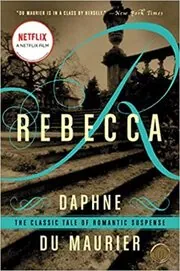
Rebecca
For readers who want suspense as an entry into literary classics. Its close attention to insecurity and household power creates sustained unease, though the narrator’s passivity can be frustrating beside Jane Eyre’s independence.
What it's about
A young woman marries widower Maxim de Winter and moves to his Cornish estate, Manderley. There she is haunted by the memory of his first wife Rebecca, and by the housekeeper who seems determined to keep Rebecca alive.
Also recommended by
1 person- Taylor Swift recommended this book
Taylor Swift
"When I was reading [this book] there was a part of me that was relating to that because at some point in my life I felt that way, and so I ended up writing the song 'Tolerate.'" - Taylor Swift
Taylor Swift's recommendation of this book
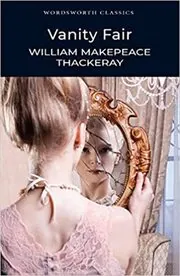
Vanity Fair
For readers who enjoy social climbing examined through satire rather than admiration. Its intrusive narrator makes status and hypocrisy visible, though the long, crowded narrative rarely offers an uncomplicated character to champion.
What it's about
Becky Sharp and Amelia Sedley move through war, marriage, debt, and drawing rooms in a novel that strips the polish off polite society. It is funny, sharp, and crowded with people chasing rank, money, and security.
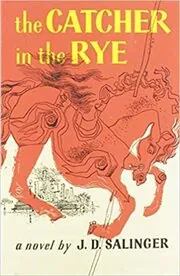
The Catcher in the Rye
For readers interested in voice, adolescent alienation, and grief beneath sarcasm. Its conversational style feels unusually immediate, though the repetitive complaints and guarded narrator can frustrate anyone seeking an outwardly eventful story.
What it's about
After being expelled from prep school, Holden Caulfield drifts through New York for a few raw, lonely days. His voice is funny and defensive, but the novel's real pull is the grief, confusion, and longing underneath it.
Also recommended by
8 people- Bill Gates recommended this book
Bill Gates
"My favorite book." - Bill Gates
Bill Gates's recommendation of this book  Jennifer Lawrence recommended this book
Jennifer Lawrence
"I'm so drawn to [the author]'s view of society back then, and to his sarcasm." - Jennifer Lawrence
Jennifer Lawrence's recommendation of this book - Gretchen Rubin recommended this book
Gretchen Rubin
"Was not written to be a young adult book. It’s an adult book. But it sort of drifted there because the protagonist is a teenager." - Gretchen Rubin
Gretchen Rubin's recommendation of this book - Ev Williams recommended this book
Ev Williams
On the "books read" section of Ev Williams' GoodReads profile.
Ev Williams's recommendation of this book  Larry King recommended this book
Larry King
"I love [this book]. I read it at four different times in my life. Teenager and later." - Larry King
Larry King's recommendation of this book  Tim Draper recommended this book
Tim Draper
"My [mother] recommended [this book]." - Tim Draper
Tim Draper's recommendation of this book +2
More recommendations
- Kathie Lee Gifford
"It was the first 'anti-hero' I had ever encountered and I thoroughly fell for Holden Caulfield." - Kathie Lee Gifford
- Sarah Jessica Parker
"Things to do to pass the time before Friday night’s event at Ulta in New Jersey? Re-read [this book]." - Sarah Jessica Parker
- Kathie Lee Gifford
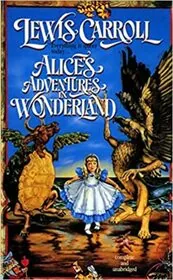
For readers who enjoy wordplay, strange logic, and playful challenges to authority. Its short episodes reward attention to language, though the deliberate nonsense offers little conventional character development or narrative explanation.
What it's about
When young Alice chases a White Rabbit down a hole, she lands in a surreal world of changing sizes and nonsensical creatures. She must navigate tea parties, croquet games, and a trial, all while trying to keep her head.
Also recommended by
5 people Naval Ravikant recommended this book
Naval Ravikant
Naval Ravikant's answer to "first book which started your lifelong journey of reading?"
Naval Ravikant's recommendation of this book  Richa Chadha recommended this book
Richa Chadha
"I was greatly influenced by [this book] in my formative years." - Richa Chadha
Richa Chadha's recommendation of this book  Russell Brand recommended this book
Russell Brand
"Has so much to teach us. It’s an archetypal tale about recognising that there are different layers of reality." - Russell Brand
Russell Brand's recommendation of this book  Sahil Lavingia recommended this book
Sahil Lavingia
Sahil Lavingia recommended this book on Notion.
Sahil Lavingia's recommendation of this book  Salman Rushdie recommended this book
Salman Rushdie
"The books we love change the way we see the world. For me it all began with [this book]." - Salman Rushdie
Salman Rushdie's recommendation of this book

For readers seeking an accessible discussion of conscience, childhood, and racial injustice. Its youthful viewpoint creates a clear emotional entry, though the treatment of justice centers a white family’s experience.
What it's about
A young girl grows up in a Southern town shaped by racial prejudice while her lawyer father defends a Black man accused of a serious crime. His case brings questions of justice, courage and compassion into her childhood.
Also recommended by
5 people- Jordan Peterson recommended this book
Jordan Peterson
Recommended on Jordan Peterson's website.
Jordan Peterson's recommendation of this book - Taylor Swift recommended this book
Taylor Swift
"[The storytelling] makes your mind wander." - Taylor Swift
Taylor Swift's recommendation of this book - Oprah Winfrey recommended this book
Oprah Winfrey
"I remember starting it and just devouring it, not being able to get enough of it, because I fell in love with Scout." - Oprah Winfrey
Oprah Winfrey's recommendation of this book  Kathie Lee Gifford recommended this book
Kathie Lee Gifford
"This story of tragic injustice resonated in my young mind and still does. It should be required reading for everyone." - Kathie Lee Gifford
Kathie Lee Gifford's recommendation of this book  James Clear recommended this book
James Clear
"[One of] the 10 best fiction books." - James Clear
James Clear's recommendation of this book
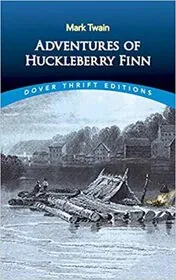
For readers interested in satire, conscience, and American vernacular writing. Its shifting tones challenge comfortable moral judgments, though racist language and its uneven handling of Jim require critical attention throughout.
What it's about
Huck Finn fakes his own death and heads down the Mississippi on a raft with Jim, a man escaping slavery. Their trip turns into a chain of close calls, scams, and moral tests as Huck decides what kind of person he wants to be.
Also recommended by
4 people- Daniel Pink recommended this book
Daniel Pink
Daniel Pink mentioned this book on "The Tim Ferriss Show" podcast.
Daniel Pink's recommendation of this book - Richard Branson recommended this book
Richard Branson
Richard Branson recommended this book on his "70 must-read books" blog post.
Richard Branson's recommendation of this book  Walter Isaacson recommended this book
Walter Isaacson
"Read [this book]." - Walter Isaacson
Walter Isaacson's recommendation of this book 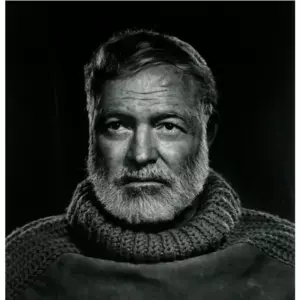 Ernest Hemingway recommended this book
Ernest Hemingway
Ernest Hemingway recommended this book in the "Ernest Hemingway on Writing" book.
Ernest Hemingway's recommendation of this book
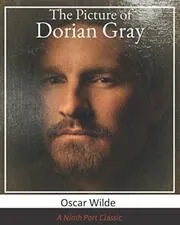
The Picture of Dorian Gray
For readers who enjoy sharp dialogue and arguments about beauty, influence, and moral responsibility. Its compact Gothic form offers a manageable classic, though extended speeches can interrupt the tension and feel deliberately theatrical.
What it's about
Handsome Dorian Gray wishes he could stay forever young while his portrait bears the marks of age and sin. As the wish comes true, Wilde spins a dark, glittering novel about vanity, pleasure, and moral collapse.
Also recommended by
4 people Sam Altman recommended this book
Sam Altman
This book was on Sam Altman's bookshelf.
Sam Altman's recommendation of this book  Jenn Im recommended this book
Jenn Im
"I love this book." - Jenn Im
Jenn Im's recommendation of this book  PewDiePie recommended this book
PewDiePie
"A meaningful story with horror elements to it." - PewDiePie
PewDiePie's recommendation of this book  Zack D'Aleo recommended this book
Zack D'Aleo
"Lo rileggerei ogni settimana, ma forse meglio di no. Questo è un libro che ha plasmato la mia anima." - Zac D'Aleo
Zack D'Aleo's recommendation of this book
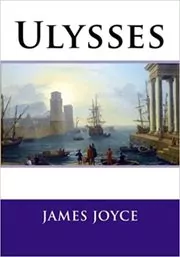
Ulysses
For experienced readers interested in how far fiction can stretch language and consciousness. Its changing styles reward curiosity and rereading, though allusions and formal experiments make an annotated edition especially useful.
What it's about
Over one day, June 16, 1904, Leopold Bloom moves through Dublin while Stephen Dedalus and Molly Bloom follow their own paths. Errands, conversations, memories, and private thoughts build an unusually intimate portrait of a city and its people.
Also recommended by
4 people Neil Strauss recommended this book
Neil Strauss
"The book that’s most influenced me." - Neil Strauss
Neil Strauss's recommendation of this book  Debbie Millman recommended this book
Debbie Millman
"I also really love a line from [this book], which is 'The longest way around is the shortest way home.'" - Debbie Millman
Debbie Millman's recommendation of this book - Christopher Hitchens recommended this book
Christopher Hitchens
"[Appears] not to be written by [a human being]." - Christopher Hitchens
Christopher Hitchens's recommendation of this book - Ernest Hemingway recommended this book
Ernest Hemingway
Ernest Hemingway recommended this book in the "Ernest Hemingway on Writing" book.
Ernest Hemingway's recommendation of this book

The Good Soldier
For readers fascinated by unreliable narration and the gap between confidence and understanding. Its carefully managed uncertainty rewards rereading, though the broken chronology makes a quick, straightforward reading difficult to sustain.
What it's about
John Dowell recounts the friendship between two wealthy couples who meet at a German spa. His seemingly orderly account gradually exposes infidelity, deception, and tragedy, raising questions about what he understands of the people closest to him.
Also recommended by
1 person- Jack Edwards recommended this book
Jack Edwards
"There's death, and adultery, and lying. What more could you want?" - Jack Edwards
Jack Edwards's recommendation of this book
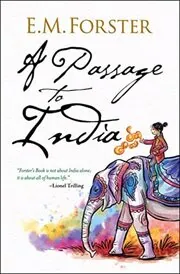
A Passage to India
For readers interested in colonial power, friendship, and the limits of understanding. Its competing perspectives resist easy moral closure, though some portrayals reflect the outsider assumptions of its historical setting.
What it's about
Set in the fictional city of Chandrapore under the British Raj, A Passage to India follows Dr Aziz, schoolteacher Adela Quested and her future mother in law Mrs Moore as an incident in the Marabar Caves ignites racial tension and tests the possibility of friendship across empire.

For patient readers interested in coercion, reputation, and how letters shape competing accounts. Its extended correspondence gives psychological pressure unusual depth, though extreme length and sexual violence make it a difficult commitment.
What it's about
Pressured to marry a man she despises, Clarissa Harlowe escapes with Robert Lovelace, whose apparent protection conceals dangerous intentions. Told through interwoven letters, the novel explores coercion, family authority, desire, and a young woman’s struggle to preserve her independence.
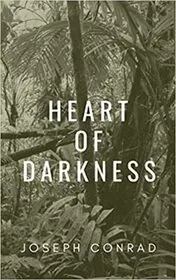
Heart of Darkness
For readers interested in the language and moral evasions of empire. Its compressed, unsettling narration invites close analysis, though its racist imagery and limited African voices need careful critical consideration.
What it's about
Sailor Marlow journeys up a Central African river in search of the trader Kurtz and finds brutal colonial cruelty and moral collapse. The novella explores idealism turned to horror and what remains of civilisation when every restraint is stripped away.
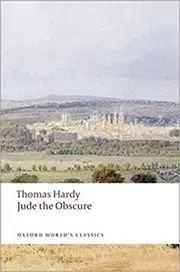
Jude the Obscure
For readers drawn to critiques of education, class, marriage, and social exclusion. Its anger gives Hardy’s concerns unusual sharpness, though the accumulated suffering makes this one of the bleakest choices here.
What it's about
Jude Fawley, a poor country stonemason, dreams of university and a life of study in the city of Christminster. His tangled relationships with earthy Arabella Donn and questioning cousin Sue Bridehead expose the rigid attitudes to class, marriage, and faith that crush his hopes.
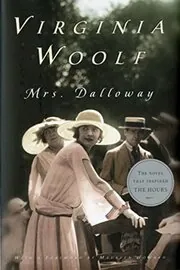
Mrs. Dalloway
For readers curious about modernism who prefer a compact novel to Ulysses. Its shifts between minds reveal how memory shapes everyday experience, though the movement between past and present requires close attention.
What it's about
Over the course of a single June day in London, Clarissa Dalloway prepares for an evening party. Around her, Woolf weaves memory, regret, class, and the hidden damage left by war.
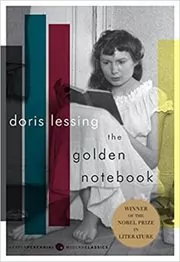
For readers interested in women’s autonomy and experiments with how a life is recorded. Its divided structure connects personal and political pressures, though repetition and shifting forms require more concentration than a conventional novel.
What it's about
Writer Anna Wulf keeps four coloured notebooks to separate her political work, personal life, memories of Africa, and a fictionalised self. As they fracture and then converge, the novel charts breakdown and reintegration, and questions how a woman can live honestly in a divided world.
To The Lighthouse
For readers interested in family perception, artistic work, and the passage of time. Its attention to fleeting thoughts gives small moments weight, though conventional action recedes behind shifting consciousness and carefully patterned prose.
What it's about
At the Ramsays' summer house by the sea, a postponed trip to the lighthouse becomes the frame for a novel about family, memory, art, and time. Small moments carry almost all the emotional force.
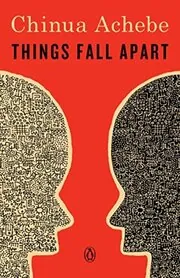
For readers exploring colonialism through an African community’s internal life. Its concise prose and use of proverbs broaden the perspective of this selection, though cultural references and collective tensions deserve unhurried attention.
What it's about
Okonkwo seeks status and strength within his Igbo community, struggling with family obligations and his fear of weakness. The arrival of Christian missionaries and British colonial authority intensifies conflicts between personal ambition, communal traditions, and a changing social order.
Also recommended by
4 people Barack Obama recommended this book
Barack Obama
Barack Obama's favorite books of 2018 list.
Barack Obama's recommendation of this book  Jacqueline Novogratz recommended this book
Jacqueline Novogratz
"The first book I read by an African author. Achebe is unflinching in his portrayal of the challenges of change, the relationships of colonialism, and power/powerlessness." - Jacqueline Novogratz
Jacqueline Novogratz's recommendation of this book  Chimamanda Ngozi Adichie recommended this book
Chimamanda Ngozi Adichie
"[The author's] classic." - Chimamanda Ngozi Adichie
Chimamanda Ngozi Adichie's recommendation of this book  Sarah Jessica Parker recommended this book
Sarah Jessica Parker
Sarah Jessica Parker shared this book on Instagram.
Sarah Jessica Parker's recommendation of this book
Beloved
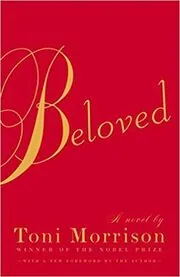
For readers ready for an emotionally difficult exploration of slavery’s aftermath and memory. Its fragmented voices give trauma a complex form, though the chronology and intense violence make it a demanding starting point.
What it's about
Sethe, once enslaved and now living in post–Civil War Ohio, is haunted by the child she lost and the past she cannot outrun. When a mysterious young woman called Beloved appears, memory, grief, and haunting take on devastating new forms.
Also recommended by
2 people- Shonda Rhimes recommended this book
Shonda Rhimes
"The God of all writing." - Shonda Rhimes
Shonda Rhimes's recommendation of this book  Tavi Gevinson recommended this book
Tavi Gevinson
"[I recommend this book] because everything." - Tavi Gevinson
Tavi Gevinson's recommendation of this book
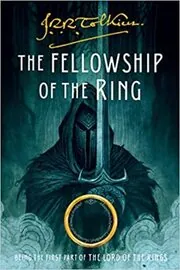
For readers who want an expansive entrance to Tolkien’s world and moral imagination. Its patient attention to language and place builds immersion, though songs, travel, and historical detail slow the early movement.
What it's about
Frodo Baggins inherits the One Ring and, guided by Gandalf, must leave the Shire and join a fellowship of allies to carry it toward Mordor, while dark riders and growing war begin to shadow Middle‑earth.
Sources
- 1
12 Essential English Novels Everyone Should Read
oxford-royale.com
- 2
Must reads: 50 best books of all time
panmacmillan.com
- 3
The 100 best novels written in English: the full list
theguardian.com
- 4
Goodreads Top 100 Literary Novels of All Time
goodreads.com
- 5
Classic English Literature
fivebooks.com
- 6
What’s the best classic book you’ve ever read?
reddit.com
- 7
BBC 100 Greatest British Novels
topshelfbooks.org
- 8
English Literature experts recommend five books that everyone should read
birmingham.ac.uk
- 9
Looking for enjoyable classic books !
reddit.com



Edited by
Software engineer whose passion for tracking book recommendations from podcasts inspired the creation of MRB.
Lead investor at 3one4 Capital whose startup expertise and love for books helped shape MRB and its growth.
Comments
Spotted a missing book, a wrong order or a mistake? Tell us and we'll fix this page.
We're a reading guide, not the author or publisher, so we can't send books or pass on messages.