
16 Best Permaculture Books
The best permaculture books, ranked by expert source recommendation counts, with notes for beginners, gardens, forest planting, urban design, and homesteads.
Our take
Permaculture is a way of designing connected systems around the needs of people and the conditions of a place. In a garden, that can mean thinking about soil, water, plants, and wildlife together. At a wider scale, it can involve buildings, livelihoods, and community relationships. The books here range from introductions to substantial references and accounts of particular working properties.
Gaia's Garden offers a practical entry through home gardening, while Practical Permaculture introduces a broader design process. Permaculture Design helps turn observation into a proposal you can test and revise. For temperate forest gardens, Creating a Forest Garden provides plant guidance and Edible Forest Gardens adds extensive ecological detail. The Permaculture City takes the ideas into urban life, while The Resilient Farm and Homestead examines connected systems on a rural property.
Start with your space and climate, then choose a general introduction before committing to a specialist reference or a large design project.
16 books · 9 sources · Last updated
As an Amazon Associate, we earn from qualifying purchases (at no extra cost to you).
How to choose from this list
Skip to the full rankingIf you're new to home scale growing: Gaia's Garden → Practical Permaculture
If you want a design process: Permaculture Design
If you garden in a temperate climate: The Earth Care Manual
If you want an edible woodland: Creating a Forest Garden → Edible Forest Gardens
If you live in a town or city: The Permaculture City
If you're planning a rural homestead: The Resilient Farm and Homestead
The 16 books, ranked
Ranked by how many expert sources name each book. Ties go to the book more people recommend.

For home gardeners who want an approachable introduction to ecological design. Its backyard focus connects principles with soil, water, and planting decisions, though climate differences mean the examples need adapting rather than copying into every garden.
What it's about
Toby Hemenway explains how permaculture principles can shape a home garden into a cooperative ecosystem. He discusses soil fertility, water conservation, beneficial wildlife, and edible planting, with guidance for creating productive gardens even in limited urban space.

For committed temperate climate growers who want ecological theory alongside detailed design guidance. Its two volume scope supports deeper study than a short introduction, though the expense, density, and scale make it less convenient for casual reference.
What it's about
Dave Jacke and Eric Toensmeier connect forest ecology with gardening in temperate climates across two volumes. Ecological principles lead into guidance on designing, establishing, and maintaining forest gardens, supported by case studies, illustrations, tables, and a matrix of useful plants.

Introduction to Permaculture
For beginners who want to understand permaculture as an integrated land use approach. Its illustrations connect design patterns with practical systems, though older examples and the breadth of settings mean readers should supplement it with local growing knowledge.
What it's about
Bill Mollison and Reny Mia Slay introduce permaculture through land-use principles and practical approaches to soil, agriculture, livestock, and irrigation. Line illustrations support discussions of site design, patterns, and structures in an account of sustainable growing systems.

For readers who understand the ideas but need a sequence for producing an actual design. Its exercises, surveys, and diagrams make the process concrete, though careful observation and repeated site work remain necessary beyond completing the book.
What it's about
Aranya guides readers through permaculture design from observation and site surveys to implementation and evaluation. Diagrams, flowcharts, and exercises connect ethics and principles with mapping, client interviews, placement, project management, and the presentation of a design proposal.

For gardeners ready to plan an edible woodland in a temperate climate. Its species information connects design layers with practical plant choices, though establishment takes time and the recommendations require checking against local conditions and available space.
What it's about
Martin Crawford explains how to design, plant, and maintain a forest garden using crops arranged in vertical layers. An illustrated plant directory supports guidance on choosing complementary species, from canopy trees and shrubs to ground covers, climbers, and root crops.

For readers who want the ethical and conceptual foundation behind permaculture practices. Its systematic principles apply beyond gardening to communities and daily decisions, though the reflective argument offers fewer immediate planting instructions than a practical garden guide.
What it's about
David Holmgren develops twelve design principles and three central ethics as a foundation for permaculture. His account applies whole-system thinking to landscapes, communities, and everyday life, exploring ecological design and cultural responses to environmental change.

The Permaculture Garden
For gardeners who want to reduce wasted effort while connecting soil, crops, access, and materials. Its practical garden scale makes design ideas manageable, though readers seeking comprehensive farm planning or detailed forest ecology will need more specialized coverage.
What it's about
Graham Bell applies permaculture principles to planning and maintaining a productive garden. The guide discusses access, soil, beneficial plant communities, crop succession, recycled materials, water harvesting, and ways of reducing the effort involved in digging and weeding.
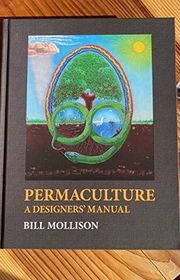
Permaculture: A Designers' Manual
For serious students and designers who want a substantial reference across climates and land use systems. Its breadth supports continued consultation, though its density, age, and ambitious scale make it a demanding first encounter with permaculture.
What it's about
Bill Mollison presents a comprehensive approach to designing human settlements and cultivated ecosystems. Chapters connect patterns, climate, soil, water, trees, agriculture, and social arrangements, with different strategies for tropical, dry, and temperate environments.
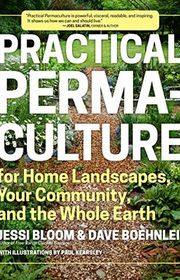
Practical Permaculture
For beginners who prefer an illustrated route from principles to design choices. Its coverage of landscapes and community systems broadens the view beyond gardening, though the introductory range leaves specialized engineering and crop decisions to further research.
What it's about
Jessi Bloom and Dave Boehnlein introduce permaculture through a design process and illustrated examples. Soil, water, energy, shelter, food, plants, and wildlife appear as connected systems, with guidance for applying the ideas to home landscapes and communities.
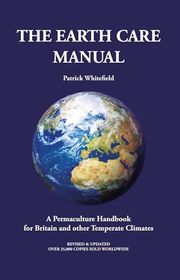
The Earth Care Manual
For readers working in Britain or other temperate regions who want a broad practical reference. Its climate focus makes the examples easier to interpret than a global manual, though substantial reading and local site assessment are still required.
What it's about
Patrick Whitefield explains permaculture design for Britain and other temperate climates. The manual connects ecological principles with gardens, land management, food production, buildings, and community life, helping readers think through practical decisions as parts of a larger system.
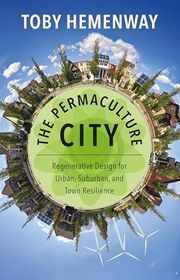
The Permaculture City
For readers who live in towns or cities and want permaculture to address more than growing food. Its attention to neighborhoods and shared resources expands the design conversation, though many projects depend on cooperation beyond an individual household.
What it's about
Toby Hemenway applies permaculture thinking to cities, suburbs, and towns. Examples explore food, water, energy, livelihoods, and community networks, showing how residents can work with existing urban resources and relationships rather than imagining self-sufficiency only on rural land.

Earth User's Guide to Permaculture
For learners who want a practical introduction extending beyond vegetable beds into everyday environments. Its broad coverage encourages connected thinking, though readers seeking detailed treatment of a single growing system will need a more specialized companion.
What it's about
Rosemary Morrow explains practical permaculture for settings ranging from balconies to rural properties. Her guide covers water, seed saving, pest management, wildlife, workplace applications, and disaster-resistant design, connecting ecological principles with the spaces where people live and work.

Farming the Woods
An Integrated Permaculture Approach to Growing Food and Medicinals in Temperate Forests
For landowners who already have woodland and want to explore productive uses beneath its canopy. Its attention to crops and management distinguishes it from planting a new food forest, though the temperate regional context requires local adaptation.
What it's about
Ken Mudge and Steve Gabriel explain how established temperate woodlands can produce food, medicinal crops, and other nontimber products. Case studies and cultivation guidance cover mushrooms, ginseng, maple syrup, fruit, and nuts alongside forest design, management, and marketing.

Sepp Holzer's Permaculture
A Practical Guide to Small-Scale, Integrative Farming and Gardening
For readers interested in an unconventional farm shaped by steep terrain and integrated systems. Its firsthand examples encourage observation and experimentation, though reproducing the techniques without the same climate, land, or experience would miss their site specific logic.
What it's about
Sepp Holzer explains the farming methods developed on his steep Austrian mountain property. Discussions of terraces, ponds, fruit trees, animal shelters, and mushrooms connect practical cultivation with an integrated approach to land management and earning a living from a farm.

The Resilient Farm and Homestead
An Innovative Permaculture and Whole Systems Design Approach
For readers planning a resilient homestead who want to see systems tested together on a real property. Its experimental detail connects water, perennials, and land management, though the Vermont setting requires adaptation to other climates and resources.
What it's about
Ben Falk draws on experiments at his Vermont research farm to explain resilient homestead design. Photographs and drawings accompany discussions of water systems, soil building, perennial crops, agroforestry, earthworks, and the planning and management of integrated landscapes.

For growers interested in combining a solar growing structure with a working market garden. Its detailed farm case study makes system connections tangible, though Pennsylvania conditions and the demands of commercial production limit direct transfer to other sites.
What it's about
Darrell Frey uses Pennsylvania's Three Sisters Farm as a case study in year-round market gardening. He explains how its solar bioshelter fits into a permaculture system, covering farm management, energy, soil, pest control, wetlands, and greenhouse design.
Sources
- 1
The Top Ten Permaculture Books | Permaculture Association
permaculture.org.uk
- 2
Permaculture Reading List - Toby Hemenway
tobyhemenway.com
- 3
Books — Resilient Roots
resroots.org
- 4
16 Best Permaculture Books for Sustainable Food & Gardening
trvst.world
- 5
Permaculture Books
goodreads.com
- 6
Permaculture Books: 15 Essential Reads for Every Level
growperma.com
- 7
Books/creators reccomended for a beginner? : r/Permaculture
reddit.com
- 8
Permaculture books - Which to read first? : r/Permaculture
reddit.com
- 9
Permaculture Library - Burlington Permaculture
burlingtonpermaculture.com


Edited by
Software engineer whose passion for tracking book recommendations from podcasts inspired the creation of MRB.
Lead investor at 3one4 Capital whose startup expertise and love for books helped shape MRB and its growth.
Comments
Spotted a missing book, a wrong order or a mistake? Tell us and we'll fix this page.
We're a reading guide, not the author or publisher, so we can't send books or pass on messages.