
6 Best Renewable Energy Books
The best renewable energy books, ranked by expert source recommendations, with notes to help readers choose technical overviews, infrastructure stories, and memoirs.
Our take
Renewable energy involves more than choosing a way to generate electricity. It raises questions about the scale of demand, transmission networks, costs, business models, and the institutions that decide what gets built. These books offer several ways into that subject, from numerical comparisons to reported histories and a young person's account of making something useful from limited resources.
Sustainable Energy helps readers compare quantities and test whether a proposal adds up, though its older figures need context. Renewable approaches the technologies through history and reporting. Creating Climate Wealth focuses on deploying solutions through business models, while Superpower and The Grid examine infrastructure and the difficulty of changing it. The young readers' adaptation of The Boy Who Harnessed the Wind supplies a more personal introduction.
Start with Sustainable Energy for a quantitative framework, or Superpower if you prefer to follow the people and practical obstacles behind an energy project.
6 books · 6 sources · Last updated
As an Amazon Associate, we earn from qualifying purchases (at no extra cost to you).
How to choose from this list
Skip to the full rankingIf you want to compare energy quantities: Sustainable Energy
If you prefer history and reporting: Renewable → Superpower
If you want to understand electricity infrastructure: The Grid → Superpower
If you want business and deployment: Creating Climate Wealth
If you're choosing for a younger reader: The Boy Who Harnessed the Wind
The 6 books, ranked
Ranked by how many expert sources name each book. Ties go to the book more people recommend.
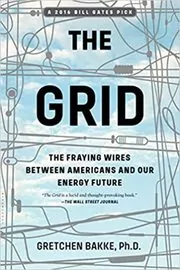
For readers who want energy infrastructure understood as a social and institutional system as well as hardware. Its American perspective complements renewable-generation books, but it is not an electrical-engineering manual or a current grid-status report.
What it's about
Gretchen Bakke examines the history and workings of America's electric grid, treating it as a cultural and institutional system as well as infrastructure. She explores its limitations and the challenges of adapting electricity networks to changing energy sources and demands.
Also recommended by
1 person David Friedberg recommended this book
David Friedberg
"An interesting book about how the grid operates." - David Friedberg
David Friedberg's recommendation of this book
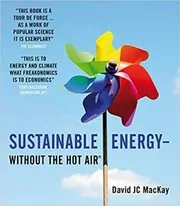
For readers who want energy claims translated into quantities they can compare. Its transparent calculations teach a durable way to question proposals, but the British assumptions and older cost and technology figures need updating.
What it's about
David MacKay uses accessible calculations to compare energy consumption with the potential of different energy sources. Examining transport, heating, electricity, renewables, and nuclear power, he asks which combinations could support energy plans that add up.
Also recommended by
1 person Bill Gates recommended this book
Bill Gates
"If someone wants an overall view of how energy gets used, where it comes from, and the challenges in switching to new sources, this is the book to read." - Bill Gates
Bill Gates's recommendation of this book
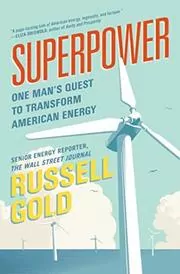
For readers who want to understand why generating renewable electricity is only part of the challenge. The infrastructure story makes institutions and opposition concrete, but one American project's experience cannot represent every grid or energy transition.
What it's about
Russell Gold follows infrastructure entrepreneur Michael Skelly's efforts to expand wind energy and transform America's electricity network. His account places Skelly's ambitions and struggles within the broader transition toward renewable power and the infrastructure it requires.
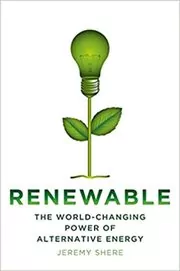
For general readers who want renewable technologies explained through history and people. Its reporting offers more narrative variety than a technical primer, but the industry snapshots and economic context belong to its publication period.
What it's about
Jeremy Shere investigates alternative energy through its history, scientific foundations, and the people developing it. His reporting explores biofuels, solar, wind, geothermal, and hydropower, connecting earlier experiments with efforts to build practical alternatives to fossil fuels.
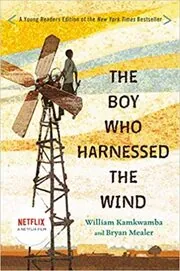
For younger readers who connect with renewable energy through a person's ingenuity and persistence. This adaptation makes the subject approachable through lived experience, but it is a memoir rather than an engineering guide for building a turbine.
What it's about
This young readers' memoir follows William Kamkwamba as drought and hunger interrupt his schooling in Malawi. Using library books and salvaged materials, he sets out to build a windmill that can bring electricity to his family's home.
Also recommended by
1 person Jack Dorsey recommended this book
Jack Dorsey
"Read [this book]!" - Jack Dorsey
Jack Dorsey's recommendation of this book
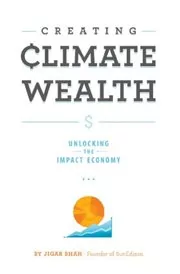
For readers interested in the business models that help existing climate technologies reach customers. Its focus on deployment complements the technical books, but the examples and market assumptions reflect the period in which it was written.
What it's about
Jigar Shah combines lessons from SunEdison and the Carbon War Room with an argument for deploying existing climate technologies. He examines how new business models and investment can expand clean infrastructure across energy, transportation, industry, and other sectors.
Sources
- 1
Renewable Energy Books
goodreads.com
- 2
EnergyPolicyUS Suggested Reading List
energypolicyus.org
- 3
Recharge Your Summer with These Clean Energy Reads
rethinkenergynj.org
- 4
What books/articles about Renewable Energy do you recommend?
reddit.com
- 5
The Best Books on Renewable Energy
fivebooks.com
- 6
Renewable Energy Guide Books Green Sustainable Energies
easss.com

Edited by
Software engineer whose passion for tracking book recommendations from podcasts inspired the creation of MRB.
Lead investor at 3one4 Capital whose startup expertise and love for books helped shape MRB and its growth.
Comments
Spotted a missing book, a wrong order or a mistake? Tell us and we'll fix this page.
We're a reading guide, not the author or publisher, so we can't send books or pass on messages.